
Some natural remedies can modestly soften fine lines and support skin health, but dermatologists stress they cannot erase deep wrinkles or replace sunscreen and medical treatments. Still, evidence‑informed home options like aloe vera, certain plant oils, antioxidant‑rich foods and gentle exfoliation can hydrate, protect, and slightly improve texture when combined with basic sun protection and lifestyle changes.
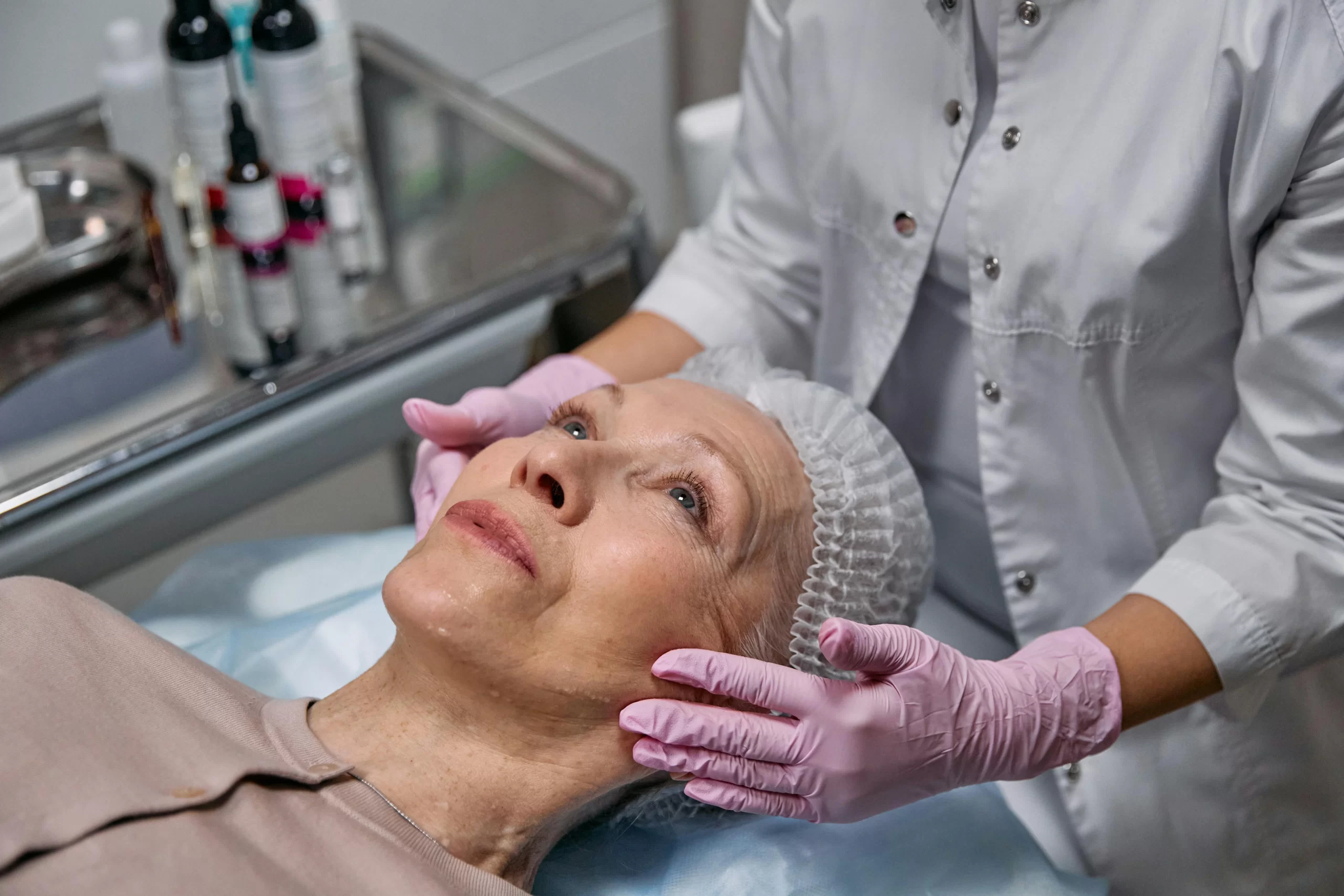
What causes wrinkles, and why “natural” can only go so far
Wrinkles form as collagen and elastin break down, skin loses moisture and elasticity, and repeated facial movements crease thinner tissue. Healthline and major hospital guides emphasize that sun exposure, smoking, pollution, poor diet, and sleep loss accelerate this process by generating free radicals and damaging structural proteins.
Most “natural” approaches work by hydrating, adding antioxidants, or gently exfoliating to reveal smoother surface skin; none can rebuild deep collagen the way prescription retinoids, lasers or injectables can. Dermatology clinics like Lasky Skin Center stress that natural remedies are best seen as supportive care alongside sunscreen and medically validated treatments, not as stand‑alone replacements.
Moisturizing plant ingredients that support smoother skin
Aloe vera
Multiple medical sources point to aloe vera as one of the few home ingredients with some evidence for improving skin elasticity. Aloe contains sterols that help skin retain collagen and hyaluronic acid, and its gel hydrates and soothes, which can soften the look of fine lines.
Guides from Healthline and hospital dermatology teams recommend applying pure aloe gel directly to clean skin, leaving it for 15–20 minutes before rinsing or using it as a leave‑on if tolerated.
Plant oils: coconut, olive, jojoba, rosehip
Evidence‑based overviews highlight several plant oils as useful emollients:
- Coconut oil is rich in fatty acids and antioxidants and can reduce water loss from the skin barrier.
- Olive and jojoba oils contain vitamin E and B‑complex compounds that support barrier repair and reduce dryness‑related fine lines.
- Rosehip oil is high in vitamins A and C and essential fatty acids; several clinical and cosmetic reviews note it may promote skin renewal and subtly reduce fine lines over time.
Hospitals and dermatology clinics advise massaging just a few drops into damp skin at night and watching for breakouts, as heavier oils can clog pores in acne‑prone individuals.
Honey
Raw honey is a natural humectant, drawing water into the outer skin and providing antioxidants that may help counter free‑radical damage. Dermatology blogs recommend short honey masks, 10–20 minutes on clean skin before rinsing, to leave skin plumper and better hydrated, which can temporarily soften fine lines.
Antioxidant‑rich foods, teas, and topical vitamins
Diet and “beauty from within”
Clinics and nutrition‑focused articles consistently emphasize that what you eat matters as much as what you put on your face. Superfoods recommended for wrinkle prevention include:
- Fatty fish (e.g., salmon), nuts and seeds for omega‑3s that support cell membranes.
- Berries, leafy greens, legumes and colorful vegetables for vitamins C, E and polyphenols that neutralize free radicals.
Apollo and other health sites note that diets high in sugar and refined carbohydrates correlate with more wrinkles, likely through glycation that stiffens collagen.
Green tea
Green tea is frequently singled out as an anti‑aging ally. It provides polyphenols that protect against UV‑induced damage, reduce inflammation, and inhibit enzymes (MMPs) that break down collagen.
Dermatology centers suggest both drinking green tea regularly and using cooled tea bags or green‑tea–infused products topically, particularly around the eyes to reduce puffiness and fine lines.
Vitamin C and other topical antioxidants
“Natural” in modern skincare often includes stabilized vitamin C serums, derived from ascorbic acid, which have stronger evidence for boosting collagen production and brightening sun damage. Reviews of home remedies identify vitamin C products as among the most effective non‑prescription options to reduce fine wrinkles when used consistently with daily SPF.
Other antioxidants used in gentler formulations include niacinamide, green tea extracts and coenzyme Q10, often found in “natural anti‑aging” lines.
DIY masks and gentle exfoliation
Fruit‑ and yogurt‑based masks
Many hospital and consumer guides suggest DIY masks using ingredients like banana, avocado, papaya, yogurt, and oats, mainly for hydration and mild exfoliation.
Examples include:
- Banana masks, rich in natural oils and potassium, to moisturize and soften texture.
- Yogurt and honey masks, where lactic acid in yogurt gently dissolves dead cells while honey hydrates.
- Papaya or pineapple masks, whose enzymes can brighten dull skin, though they may irritate sensitive complexions.
Dermatologists caution that fruit acids are unregulated in-home mixtures; they recommend patch‑testing and limiting use to once or twice a week.
Natural exfoliants
Natural scrubs, finely ground oatmeal, rice, or mild lactic sources like milk, can help slough off dead skin and stimulate cell turnover for a smoother look. Apollo and other medical sites stress “gentle” here: harsh scrubbing or large particles (sugar, salt) can create micro‑tears and worsen wrinkles over time.
A safer approach is alternating a soft physical exfoliant (like oatmeal paste) with low‑strength chemical exfoliants from reputable brands, under dermatology guidance for sensitive or darker skin tones.
Lifestyle “remedies” with the biggest impact
Across guides, doctors repeatedly highlight three low‑tech, “natural” steps as the most powerful anti‑wrinkle tools:
1. Sun protection
Daily broad‑spectrum SPF 30 or higher, shade and protective clothing are described as the single most important anti‑aging measure. Up to 80–90% of visible facial aging is linked to UV exposure in some dermatology estimates.
2. Sleep, stress, and smoking
Chronic sleep loss, unmanaged stress hormones and smoking all correlate with more pronounced wrinkles and dull skin. Quitting smoking and improving sleep hygiene are repeatedly described as “natural facelift” habits.
3. Hydration and movement
Drinking enough water, limiting alcohol, and engaging in regular exercise improve circulation and skin hydration, indirectly supporting a more youthful appearance.
These lifestyle measures do not smooth existing deep wrinkles but slow new ones and amplify the modest benefits of topical natural remedies.
Safety, limits and when to see a dermatologist
Healthline and hospital dermatology teams repeatedly advise caution: “natural” does not automatically mean safe or hypoallergenic. Essential oils, undiluted citrus juices, strong DIY peels and frequent scrubs are common triggers for dermatitis, burns and hyperpigmentation, especially on darker skin.
Experts recommend:
- Patch‑testing any new remedy on a small area for 24–48 hours.
- Avoiding undiluted essential oils; always mix with a carrier oil and use sparingly.
- Seeing a dermatologist for persistent wrinkles that bother you, sudden changes in skin texture or color, or if you’re considering stronger actives like prescription retinoids, peels, or laser treatments.
Medical practices like Lasky Skin Center frame the most realistic approach as hybrid: combine simple, gentle natural measures (aloe, oils, diet, sunscreen) with evidence‑based topicals and, if desired, in‑office procedures tailored to your skin type.