
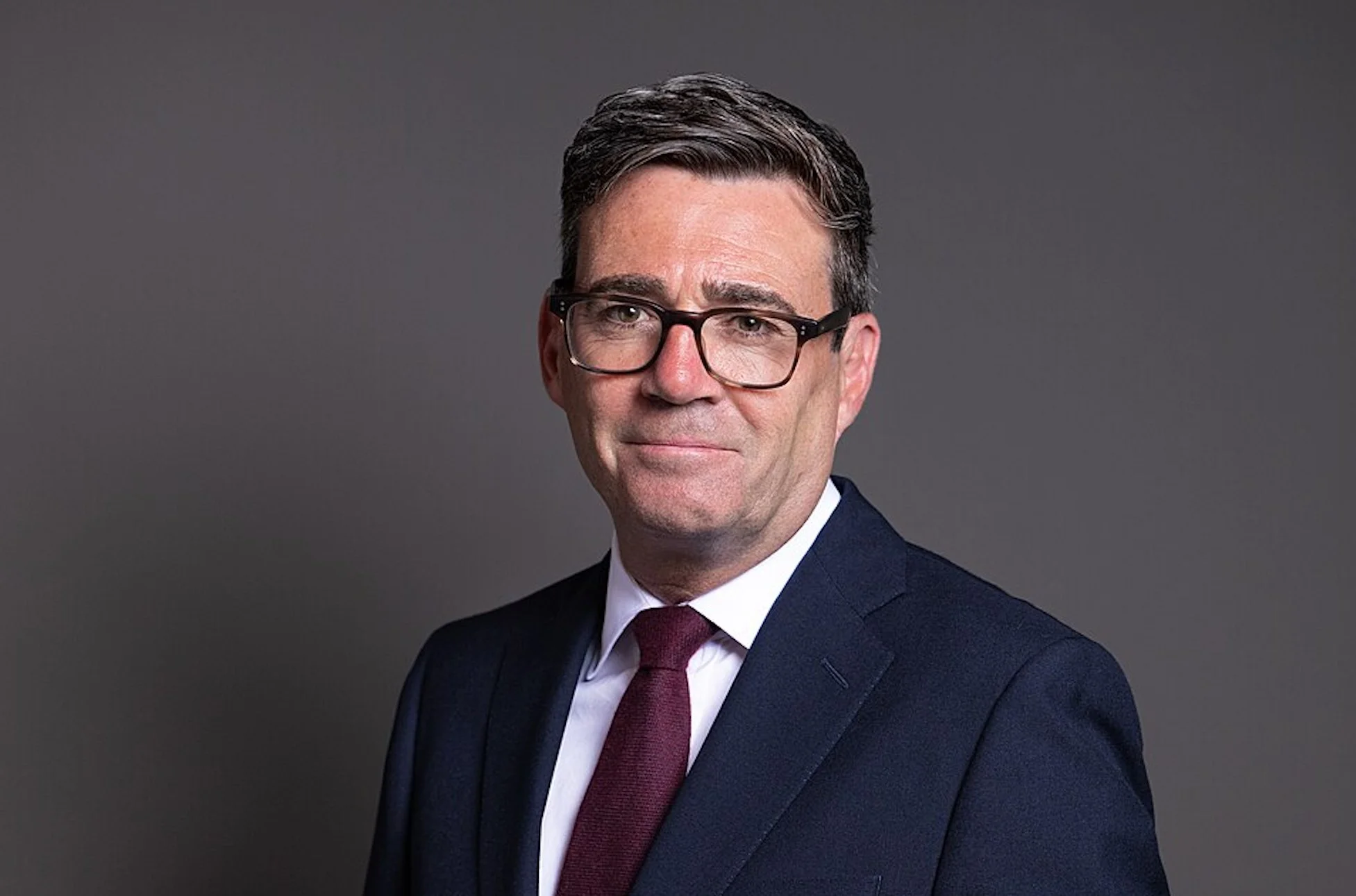
Andy Burnham is hours away from walking through the black door of 10 Downing Street as Britain’s next prime minister, capping a rapid ascent from regional mayor to national leader amid economic stagnation, political fatigue, and a public appetite for what he calls a “new politics.” Keir Starmer will deliver a final address outside Downing Street before travelling to Buckingham Palace to tender his resignation to King Charles III, clearing the way for Burnham to be invited to form a government and return to Downing Street for his own first speech as premier.
The choreography of a change in power
Monday’s transition follows familiar constitutional rituals, even if Britain has become accustomed to seeing them repeated with unusual frequency.
The BBC’s live politics feed says Starmer will speak outside No. 10 in the morning before travelling to Buckingham Palace, where he will formally resign as prime minister. Once he leaves, Burnham will make the same journey to an audience with King Charles III, who will invite him to form a government under the centuries‑old “kissing hands” convention, now largely symbolic.
ABC News and NBC report that Burnham will then return to Downing Street to address the press, set out his priorities and walk into the building as prime minister for the first time. Inside, he will begin appointing his cabinet and senior advisers, a process that has already sparked early skirmishes within Labor over who gets which posts.
It will make Burnham the seventh UK prime minister in 10 years, and the fifth in just four years, a striking measure of how unstable British politics has been since the Brexit referendum in 2016.
How Burnham reached the threshold of No. 10
Burnham’s path to Downing Street blends long‑standing ambition with a detour through local politics.
A former Labor MP and cabinet minister under Gordon Brown, he twice ran unsuccessfully for Labor leader after the party’s 2010 defeat, then left Westminster to become Greater Manchester’s first metro mayor in 2017. In that role he built a national profile as an outspoken advocate for England’s regions, clashing with Conservative governments over COVID‑19 restrictions and transport funding and earning the nickname “King of the North.”
The Guardian notes that Burnham returned to Parliament via a by‑election in Makerfield earlier this year, timed with Starmer’s announcement that he would step down as Labor leader. Starmer, who led Labor to a landslide victory in 2024, said he would remain in office while the party held a leadership contest.
In the end, there was no contest. Key figures such as former health secretary Wes Streeting quickly backed Burnham and ruled themselves out of the race, leaving him to collect the necessary nominations and secure the leadership unopposed. The Labor Party’s formal rules required support from 20% of the Parliamentary Labor Party, but with major rivals standing aside, Burnham’s coronation as leader, and thus prime‑minister‑in‑waiting, became a formality.
Last week he delivered his first speech as Labor leader, telling supporters the country needed a “new politics” and acknowledging that his generation of politicians had “failed to challenge a political culture and an economic model that simply doesn’t work well enough for ordinary people.”
Starmer’s departure and Labour’s internal mood
Burnham is inheriting government, not winning it; Labour already holds power.
Keir Starmer guided Labour to office in 2024 with what Reuters describes as “the biggest parliamentary majority in Britain’s modern history,” ending 14 years of Conservative rule. But the party’s honeymoon proved short. Starmer’s government struggled with grinding economic problems, rising discontent over public services and controversy over policies ranging from energy and migration to university funding.
NBC and ABC say Starmer eventually resigned as party leader after a series of electoral setbacks, policy U‑turns and rows with trade unions and local leaders. The decision triggered the leadership transition now carrying Burnham to Downing Street, even though Labor retains its commanding Commons majority.
Internally, Burnham’s rapid rise has produced mixed emotions. Some MPs see him as the charismatic communicator Labor has lacked; others worry that replacing a sitting prime minister mid‑term risks deepening the impression of churn and instability. Burnham has promised to make the party “more inclusive” and to avoid the factional warfare that dogged earlier Labor leaders.
Burnham’s agenda: economy, NHS, and regional power
The incoming prime minister faces a crowded in‑tray.
NBC’s profile notes that Burnham inherits “a country beset by low wages, a cost‑of‑living crisis and a beleaguered National Health Service,” along with contentious debates over immigration and Britain’s relationship with Europe. He has signaled three immediate priorities:
- Economic security and wages: Burnham has pledged to tackle wage stagnation and high living costs, hinting at a focus on industrial policy and regional investment rather than pure austerity.
- NHS and social care: A former health secretary, he has long campaigned on health service funding and waiting lists and is expected to put NHS reform near the top of his agenda.
- Devolution and “new politics”: Drawing on his mayoral experience, Burnham says he wants to devolve more power and resources to cities and regions, promising a politics that is “less toxic” and more responsive to local concerns.
In a recent speech, he argued that Britain’s existing economic model “doesn’t work well enough for ordinary people” and that Westminster has been slow to adapt. Supporters frame his arrival as a chance to reset after two years in which Labor struggled to connect its technocratic approach with public frustration.
Foreign policy and dealing with President Trump
Burnham will also have to establish himself quickly on the world stage, starting with Washington.
The New York Times notes that he has “downplayed the challenge of engaging with President Trump,” telling former England footballer Gary Lineker in a video interview that it is “about being yourself” when dealing with the American leader. His aides have indicated he may move early on energy policy, possibly signaling a more pragmatic stance on North Sea oil and gas than Starmer’s previous position, to send a message both to Trump and to British voters facing high energy bills.
Lucy Powell, a close ally, and Labor figure told the BBC that Burnham would take “a more pragmatic approach” to fossil‑fuel drilling than Starmer, though she framed it as a “change of emphasis” rather than a radical departure. Officials are already discussing when Burnham and Trump might first meet face‑to‑face, potentially around the UN General Assembly in New York in September.
Beyond the US, Burnham must navigate a brittle European relationship post‑Brexit and growing security concerns, including Britain’s role in NATO and in support for Ukraine, while signaling continuity with Starmer’s broad commitments.
Cabinet building and early tests
Before policy comes personnel.
Burnham has said he is “finalizing” his cabinet choices and will announce them shortly after taking office. The Guardian’s live coverage notes that his team has already been hit by disputes over appointments, reflecting competing demands from different wings of the Labor Party.
Key questions include whether prominent figures from Starmer’s cabinet, such as Rachel Reeves at the Treasury or Yvette Cooper at the Home Office, will stay in place, and how many new names from Burnham’s Manchester circle will enter government. His choices will signal how far he intends to break with Starmer’s style and priorities.
Early tests are likely to come quickly: a budget or fiscal statement to respond to economic pressures, decisions on contentious infrastructure and energy projects, and potential by‑elections or devolved elections that will serve as the first electoral judgment on his leadership.
The promise and risk of “new politics”
Burnham’s central message as he prepares to step into Downing Street is that Britain needs a different type of political culture.
In his first speech as Labor leader, he said he would work to make politics “less toxic,” adding: “I will work to build a new politics. The country is crying out for it.” He also acknowledged that “this generation of politicians, myself included,” had failed to challenge a system that has not served ordinary people well.
That rhetoric resonates in a country that has cycled through seven prime ministers in a decade and seen trust eroded by scandals, economic crises, and broken promises. But it also sets a high bar. With expectations raised, the incoming prime minister will be judged not just on policy outcomes but on whether he can reduce the sense of permanent crisis that has defined British politics since 2016.
As Andy Burnham prepares to enter Downing Street, the question is whether a man who built his reputation in one city, Greater Manchester, can now convince a weary country that he can rebuild faith in politics from its national center.