
For many prospective home buyers, while you may be ecstatic at the prospect of buying a house, the logistics of qualifying for a mortgage may quickly bring you back down to reality-especially if you don’t have at least a 20% down payment. In that case, Private Mortgage Insurance (PMI) will become a major talking point.
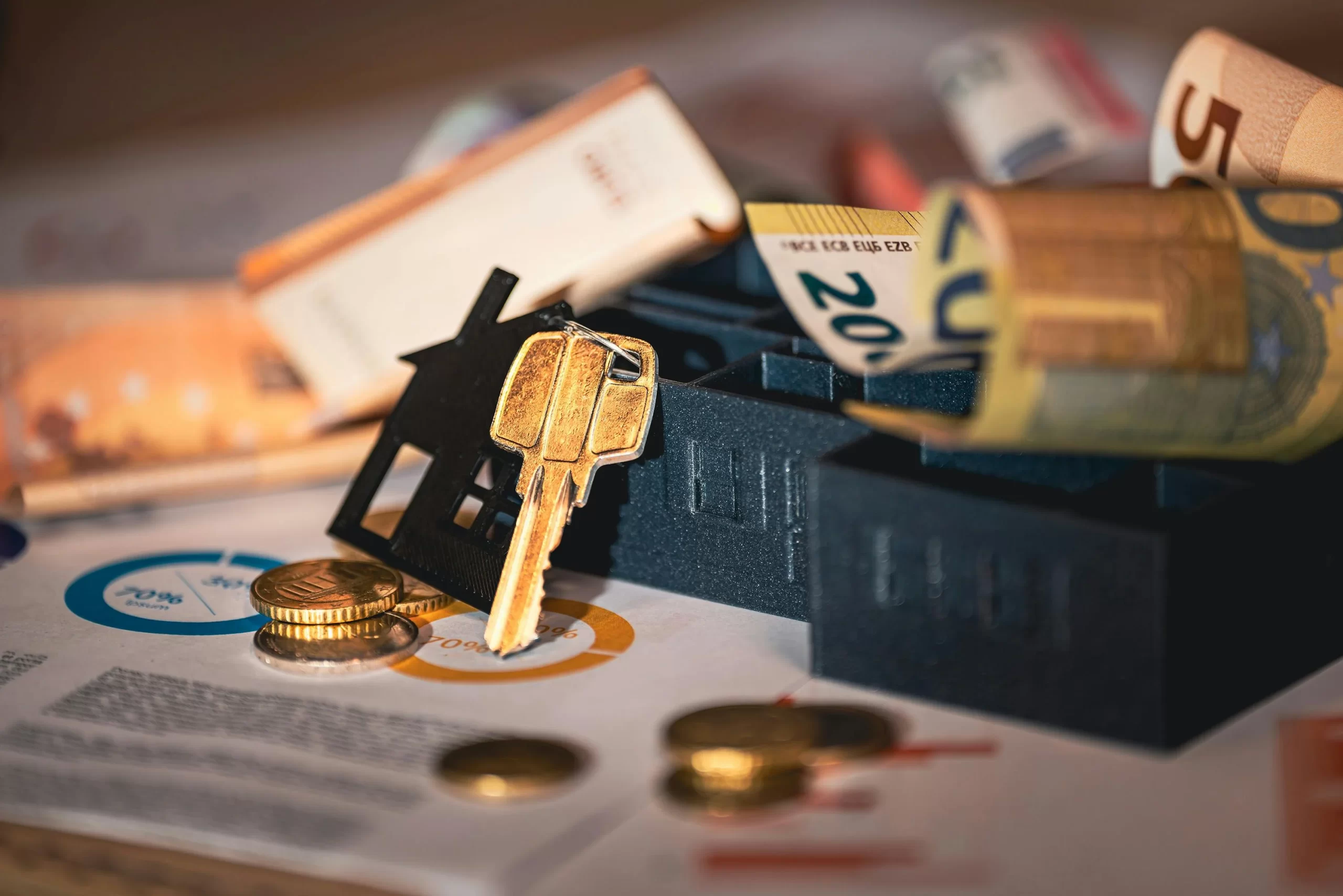
But what is private mortgage insurance? Why do lenders require you to pay it, how does it work, and how do you manage or avoid one of its costs? Below is everything you need to know – thoughtfully further explained along with supporting information from leading authorities in the financial space.
What is Private Mortgage Insurance?
Often referred to as PMI, Private Mortgage Insurance is a type of insurance that mortgage lenders require borrowers to buy if a down payment on a conventional loan is less than 20%. The intent of PMI is to protect the lender—not the borrower—in the event the homeowner defaults on the loan.
Key Facts about PMI:
PMI applies only to conventional loans, not government-backed loans (like FHA or VA).
PMI protects the lender from loss—not the homeowner—if you were to stop paying your mortgage.
Borrowers can expect to pay PMI when their down payment is less than 20% and/or their loan-to-value (LTV) ratio exceeds 80%.
Why Lenders Require PMI
Lenders deem any loan above 80% LTV risky (determined by borrowing more than 80% of the home’s value) because it means they have less money invested by the homeowner. PMI protects the lender against this risk, which is why it allows buyers to qualify for a mortgage with a smaller down payment and provide opportunity (possibly down to 3% down payment) to someone who may not have qualified without PMI.
As stated by Bank of America: “PMI can help you qualify for a loan you might not otherwise get.”
How Does PMI Work and What Does It Cost?
How You Pay:
PMI is usually incorporated into your monthly mortgage payment, but it may also be paid up front at closing, or a combination of both. The terms depend on your lender and loan product.
Cost:
PMI costs typically range from 0.3% to 2% of the original loan amount in a year, depending on your:
- Credit score
- Down payment amount
- Size and type of the loan
For example, if your loan amount is $300,000 and the PMI rate is 1%, then you would pay $3,000 per year (or $250 a month) in PMI premiums.
Where to Find PMI Information:
Your Loan Estimate and your Closing Disclosure will provide you with anticipated costs associated with your PMI, and your monthly mortgage statement will show your PMI payment.
When Can You Cancel PMI?
Automatic Cancellation:
Under the law, lenders must automatically cancel PMI when the outstanding loan balance falls to 78% of your home’s original value (or equity of 22%) as long as you are not behind in your payments.
Early Cancellation:
You may be able to request cancellation of PMI at just 20% equity (80% LTV). You may have to submit a written request, and more than likely you will need to get a new appraisal on your property to verify its current value.
Special Consideration:
If you refinance and your new LTV is less than 80%, you might not have to pay PMI on your new mortgage.
How to Avoid PMI
- Save a 20% Down Payment: The easiest way to avoid PMI on a conventional loan is with a 20% or greater down payment.
- Choose a Loan Without PMI: Ask your lender about options for lender-paid PMI (which can impact your interest rate), or consider government-backed loans (such as VA loans for veterans, which do not have PMI).
- Piggyback Loans: Some buyers take a second mortgage, called a “piggyback” loan, to cover part of the down payment, to avoid PMI. However, piggyback loans can be complicated and may have their own pitfalls.
Advantages and Disadvantages of PMI
| Pros | Cons |
| Helps buyers purchase with | Increases monthly payment |
| less than 20% down | Does not benefit the homeowner |
| Can make homeownership | Must be paid until 20–22% equity |
| accessible sooner |
Homeowner Tip: PMI is not homeowner’s insurance—it will not protect your home if it is damaged or destroyed.
Is PMI Right for You?
PMI (Private Mortgage Insurance) will enable buyers to potentially buy a home with a small down payment, while that possibility does come at an extra nominal monthly cost to the borrower—PMI itself is not necessarily a protection. Analyze your down payment options carefully, and make sure to talk with your lender or qualified mortgage advisor. By understanding what private mortgage insurance entails, you are taking charge of the home buying process, and starting to strategize for building equity and then eliminating ongoing costs.