
India’s education minister Dharmendra Pradhan has resigned after weeks of youth-led protests over alleged exam leaks and irregularities, marking a rare political concession for Prime Minister Narendra Modi’s government and a major victory for student activists. The move follows sustained demonstrations in New Delhi and across the country by the so-called Cockroach movement, which accused the education ministry and exam authorities of failing millions of students preparing for competitive entrance tests.
The resignation
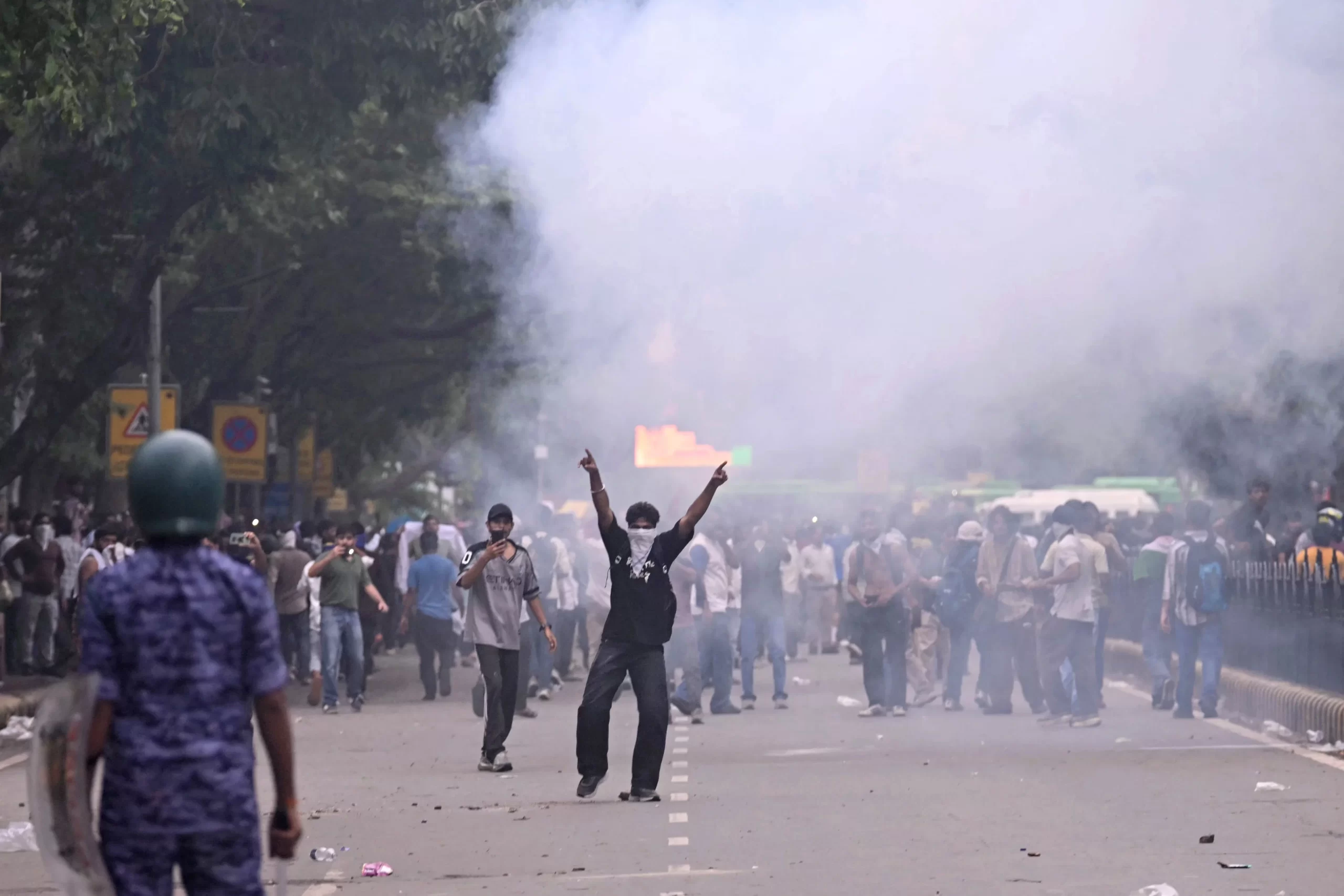
In a statement reported by AP, Pradhan stepped down on Saturday after weeks of protests demanding his removal over alleged leaks in some of India’s most competitive entrance exams and wider irregularities in the education system. The resignation was the first major concession from Modi’s government after daily sit-ins, rallies and hunger strikes led by the youth movement known as the Cockroach movement.
Indian Express reported that Pradhan announced his resignation in an open letter posted on X, saying he was “saddened by what unfolded over the last 10 days.” News coverage in India and abroad described the move as both a personal political blow for Pradhan and a symbolic win for students who had kept pressure on the government for weeks.
The timing was notable because the government had resisted the demand until the pressure became difficult to contain. As late as Thursday, negotiators were still talking with protest leaders and asking for time to find a solution, including compensation for affected families and the withdrawal of legal cases against peaceful demonstrators.
Why students were protesting
The protests were fueled by allegations that exam papers had been leaked and that the examination process had been compromised, especially around highly competitive entrance tests such as NEET-UG. For many Indian families, such exams are a gateway to medicine, engineering, and other elite professions, so any suggestion of corruption or leaks can trigger national outrage.
The Cockroach movement, which helped drive the demonstrations, said it would not stop until Pradhan resigned or was removed. Opposition parties, including Congress, joined the protests and framed the scandal as evidence of deeper failures in the Modi government’s handling of education and youth opportunity.
The agitation became especially intense in New Delhi’s Jantar Mantar area, where demonstrators camped for days and demanded accountability. In some cases, police response turned violent, and Al Jazeera reported that more than 100 people were severely wounded in baton and tear gas attacks earlier in the week.
Political pressure on Modi
Pradhan’s resignation is a significant moment for Modi because it shows how a student movement can force a cabinet-level change even in a government known for strong central control. Reuters-style reporting from earlier in the week noted that Modi had resisted sacking the minister despite mounting pressure, which made Pradhan’s exit all the more consequential when it finally came.
The episode also speaks to the political importance of India’s youth population, where frustration over jobs, fairness and exams can quickly spill into broader anti-government sentiment. What began as an education scandal became a test of accountability for the wider Modi administration, with critics portraying the resignation as overdue rather than voluntary.
For the opposition, the resignation offers a ready-made example of government vulnerability heading into future political fights. For Modi’s Bharatiya Janata Party, it may be a tactical retreat meant to defuse anger before it spreads further.
What happens now
Pradhan’s departure does not, by itself, resolve the underlying complaints about exam integrity. Protest leaders are still likely to push for investigations, compensation, cancelled cases, and structural reforms in the exam system.
The government has already signaled that it is open to some concessions, including compensation for families of students affected by the controversy and dropping legal action against peaceful protesters. But student groups are likely to judge the administration by whether those promises are delivered, not by the resignation alone.
The bigger issue is credibility. In a country where competitive exams can shape entire futures, any perception of corruption in the system cuts deep and can have lasting political consequences. Unless authorities restore trust quickly, the scandal could continue to damage confidence in the education ministry long after Pradhan has left office.
Why this matters beyond India
The resignation is also a reminder that exam scandals are not just administrative problems; they are political events. India’s case fits a global pattern in which education ministers only rarely resign unless a controversy becomes impossible to defend or public pressure turns overwhelming.
That context helps explain why Pradhan’s departure is being read as a significant public accountability moment. For students, it is proof that sustained pressure can produce change. For the government, it is an embarrassing signal that the education system’s failures have become a national political liability.
The next challenge is whether the resignation leads to real reform or simply resets the political damage. In the short term, the protests have already achieved what many thought impossible: the resignation of India’s education minister.





