
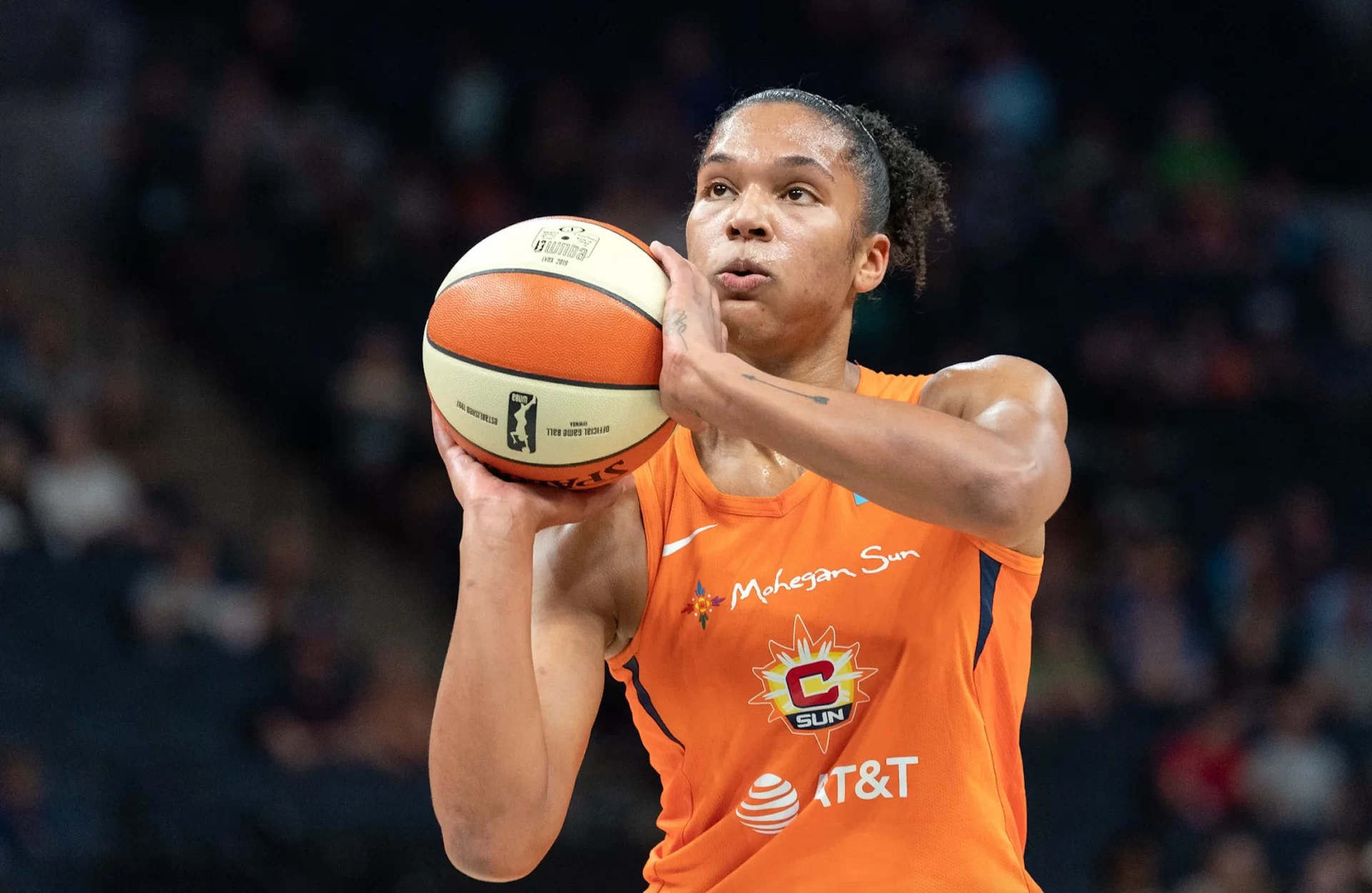
The WNBA has suspended Phoenix Mercury forward Alyssa Thomas for one game after ruling that she “recklessly” struck Indiana Fever star Caitlin Clark in the throat during a scramble for a loose ball, upgrading the uncalled play to a Flagrant Foul 2 following league review. Thomas will serve the suspension on Saturday when the Mercury visit the expansion Toronto Tempo, sidelining one of the league’s most versatile veterans in a decision that has intensified debate over physical play and the WNBA’s handling of fouls involving Clark.
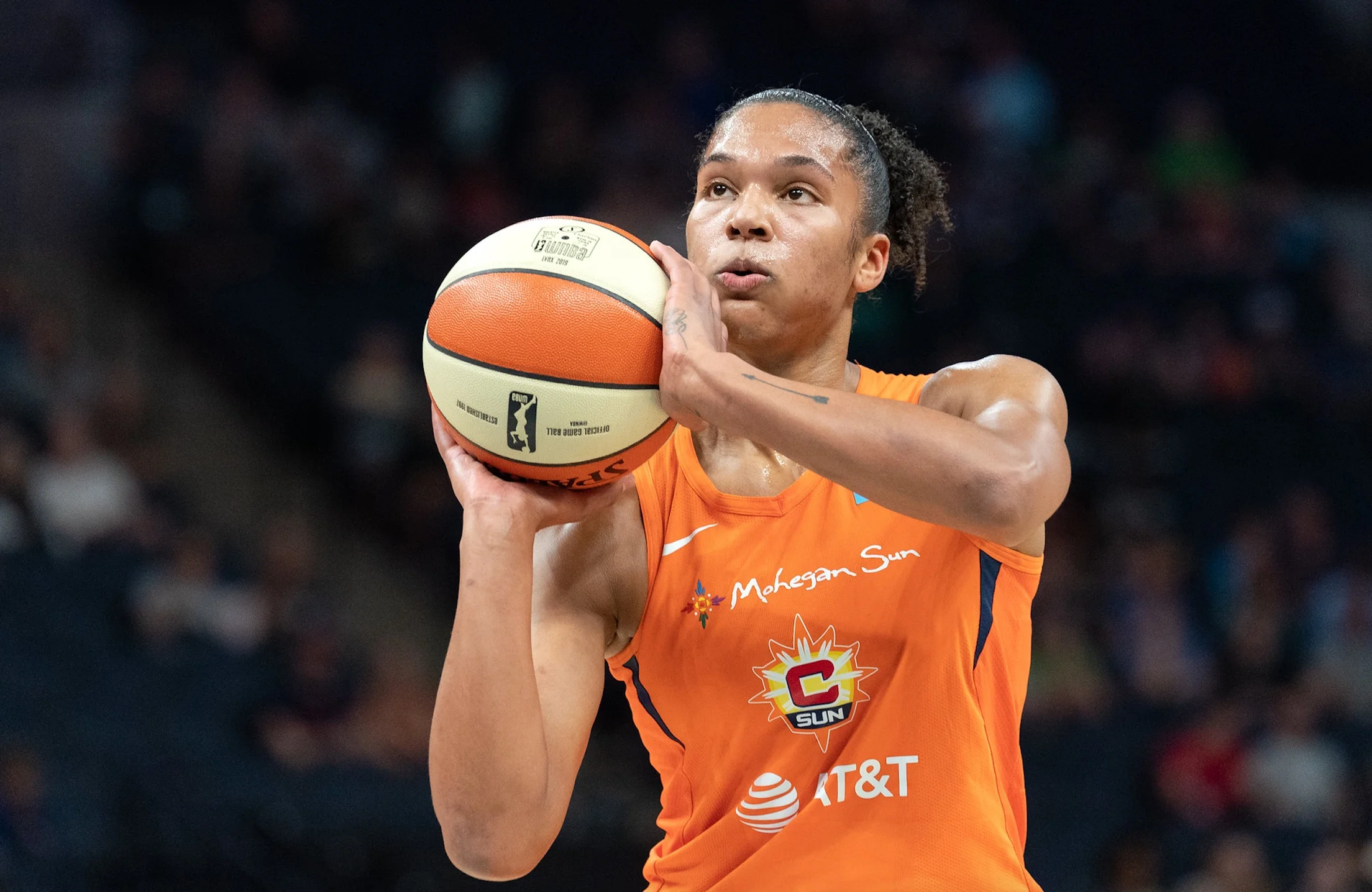
The play: a scramble, a fall, and an uncalled blow
The incident occurred with 6:52 left in the second quarter of Wednesday night’s game between the Mercury and the Fever at Gainbridge Fieldhouse in Indianapolis. With Phoenix leading in what NBC News described as a “thrilling” contest that ended 111–109 in the Mercury’s favor, Clark drove toward the basket and went to the floor as several players converged on a loose ball.
As the ball bobbled free near Phoenix’s hoop, Thomas, a six‑time All‑Star known for her physical style, became entangled with Clark. Video reviewed by the league shows Thomas making contact with a closed fist to Clark’s neck and throat area while Clark was on the floor, the ball effectively out of play. USA Today’s for The Win notes that the league office later characterized the sequence as a “non‑basketball act” because the contact did not stem from a legitimate attempt to play the ball.
Game officials did not call any foul on the play in real time. That decision immediately drew criticism from Fever coach Stephanie White, who told reporters afterward: “I mean, the fist in the throat is crazy. It’s dangerous.” Social media amplified the outrage, with fans replaying the clip and questioning how the hit went unpunished.
Clark, who has been at the center of heightened physical attention in her rookie season, continued for a time but later exited the game with what NBC News described as a back injury. She returned to the bench in the second half and did not re‑enter.
The league’s ruling: Flagrant 2 and “reckless” contact
The WNBA’s league office in New York reviewed the play on Thursday, using its authority to reclassify fouls after games. In a statement announced via WNBA Communications and summarized by ESPN and Sporting News, the league said Thomas had been assessed a Flagrant Foul 2 and a one‑game suspension for “recklessly making contact with her fist to the throat area of Caitlin Clark.”
Flagrant Foul 2 is the WNBA’s most severe in‑game classification for contact, reserved for “unnecessary and excessive” acts that risk injury; it normally carries an automatic ejection when called live. Because the foul was not called during Wednesday’s game, the league’s upgrade did not retroactively change the outcome, but it did trigger the suspension.
Fox News and Yahoo Sports report that the league explicitly labelled Thomas’s actions as a “non‑basketball act,” underscoring that the contact was outside the norms of a hard but legitimate play. Sporting News notes that the office emphasized its ability, under WNBA rules, to “review any actions after a game concludes, regardless of whether referees made a ruling during the live play,” and to impose fines or suspensions when warranted.
Thomas will miss Phoenix’s next game, a road matchup against the Toronto Tempo on Saturday, as she serves the one‑game ban. The Mercury have not publicly indicated plans to appeal, and the WNBA did not announce any separate fine.
Context: a physical series and a wider spotlight on Clark
The suspension comes at the end of a heated mini‑series between Phoenix and Indiana. Yardbarker notes that Monday’s earlier meeting between the teams was “emotional and physical,” with multiple technical fouls assessed on both sides. That backdrop set the stage for Wednesday’s tensions, where hard screens, bumps and off‑ball contact were already under scrutiny.
Clark’s presence adds another layer. Since entering the league as the most hyped rookie in WNBA history, the Fever guard has faced intense defensive attention and increasingly physical tactics from opponents. USA Today’s FTW and other outlets have chronicled a string of incidents, from flagrant fouls to hard screens, in which Clark has absorbed contact that fans and some analysts see as beyond normal physical play.
The Thomas incident has thus fed into a larger conversation: whether Clark is being targeted, whether officials are doing enough to protect players generally, and how the league balances its desire for a tougher, more competitive product with player safety. That debate has played out not only among fans, but also in television commentary and social media, where the phrase “fist in the throat” became a shorthand critique of the missed call.
Reactions: relief, frustration and calls for consistency
Reactions to the suspension have been mixed. On one side, there is relief among Fever fans and some neutrals that the league moved to address what many saw as an “egregious oversight” by the officiating crew. Sporting News writes that the WNBA “has addressed what many believe was an egregious oversight,” and notes that the move signals the league is willing to intervene when high‑profile incidents slip through in real time.
On the other side, some observers question whether a single‑game ban is sufficient or worry that discipline linked to Clark specifically could fuel perceptions of preferential treatment. Others focus instead on officiating, arguing that the root problem is missed calls and that the league should pair post‑game reviews with improvements in crew performance and communication.
From Phoenix’s perspective, the suspension removes a key player from a rotation already under strain. Thomas, a perennial All‑Star, and former MVP runner‑up, is central to the Mercury’s offense and defense, and her absence could be felt immediately against Toronto. The team has not yet issued a detailed public statement, beyond acknowledging the league’s decision.
For Clark and the Fever, the immediate priority remains health and continuity. NBC News notes that Clark left Wednesday’s game with a back injury after the incident, and while there has been no suggestion of a serious long‑term issue, any knock is significant in a rookie season that has already demanded heavy minutes and travel.
What the suspension means for the WNBA’s image
Beyond its impact on Saturday’s box score, the Thomas suspension matters for how the WNBA projects itself to a growing audience.
The league is in the midst of a historic growth spurt, driven in large part by Clark’s arrival and a surge in TV ratings, ticket sales and sponsorships. That new spotlight cuts both ways: incidents like Wednesday’s are now dissected in real time by national sports shows, social‑media influencers and commentators used to parsing NBA controversies.
By upgrading the play to a Flagrant 2 and issuing a suspension, the WNBA is signaling it will not ignore incidents that generate public concern, particularly where player safety is at stake. At the same time, the league must avoid the appearance that discipline is driven by social‑media pressure or by the profile of individual stars rather than by a consistent application of its rules.
How the WNBA handles future physical incidents, involving Clark or any other player, will help answer those questions. For now, Alyssa Thomas’s one‑game suspension stands as the league’s most explicit statement this season that a fist to an opponent’s throat, even in a chaotic scramble, crosses the line from hard basketball to punishable danger.





