
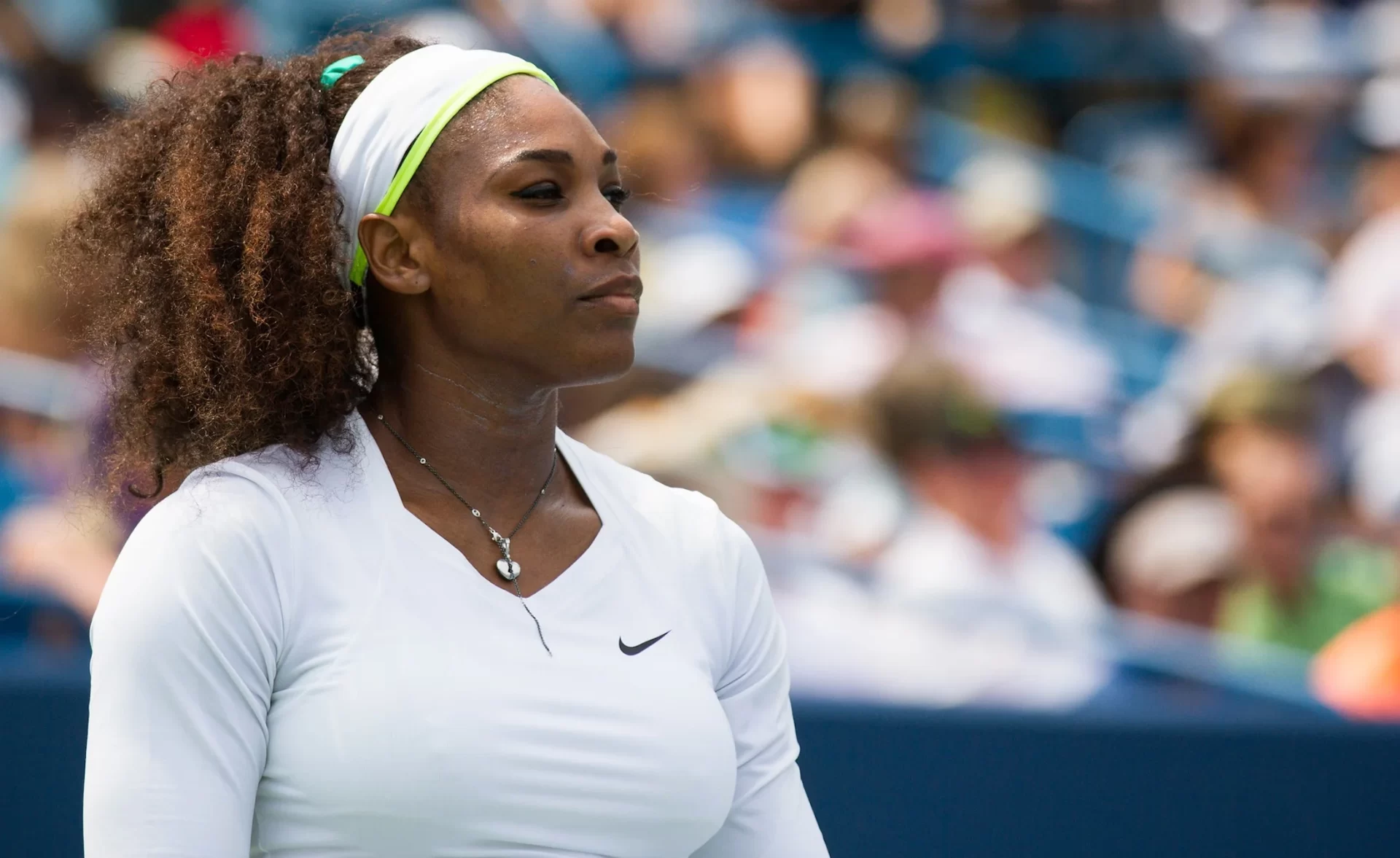
Wimbledon 2026 opens today on the grass courts of the All England Lawn Tennis Club, launching a 14‑day Championships framed by record prize money, star‑studded entry lists and a narrative that blends tradition with a changing game. With Jannik Sinner and Aryna Sabalenka installed as top seeds and Serena Williams making a much‑anticipated return to SW19, organizers are billing this year’s tournament as one of the most compelling editions of tennis’s oldest major in a generation.
Dates and format: two weeks on the grass
The official Wimbledon schedule confirms that The Championships 2026 will run over 14 days, from Monday 29 June to Sunday 12 July. As in recent years, play begins with two days dominated by gentlemen’s and ladies’ singles first‑round matches, before doubles start mid‑week and mixed doubles get underway on the first Friday.
Day‑by‑day schedules from travel and ticket agencies show a familiar structure:
- Days 1–2 (June 29–30): Men’s and women’s first round.
- Days 3–4 (July 1–2): Second round.
- Days 5–6 (July 3–4): Third round.
- Days 7–8 (July 5–6): Fourth round.
- Days 9–10 (July 7–8): Quarterfinals in both singles draws.
- Day 11 (July 9): Women’s singles semifinals and mixed doubles final.
- Day 12 (July 10): Men’s singles semifinals.
- Day 13 (July 11): Women’s singles final and men’s doubles final.
- Day 14 (July 12): Men’s singles final and women’s doubles final.
Matches on the outside courts are scheduled to begin at 11:00 a.m., with Centre Court and No.1 Court sessions starting in early afternoon. Gates typically open at 10:00 a.m., maintaining Wimbledon’s blend of punctual English tradition and crowd‑management logistics.
Record prize money and a shifting economics of tennis
One of Wimbledon 2026’s biggest headlines is financial. The All England Club has announced a 20% increase in prize money compared with last year, bringing the total pot to £64.2 million ($84.9 million). That figure, which includes player per diems, is described by organizers as “by far” the largest annual increase in tournament history.
The Independent and the LTA break down the payout: the winners of the gentlemen’s and ladies’ singles titles will each receive £3.6m ($4.7m), up from £3m ($3.9m) in 2025. Runners‑up in the singles finals take home £1.8m ($2.3m), an 18% increase on last year. Even first‑round losers in main‑draw singles are guaranteed £80,000 ($105,854), up 21% from 2024.
These changes follow vocal criticism from players, including at the French Open, that Grand Slam revenues were not being shared sufficiently with those outside the very top ranks. By raising early‑round and qualifying payouts, qualifying prize money is up 25%, Wimbledon is signaling a willingness to address concerns about livelihoods for lower‑ranked professionals.
From a business perspective, the larger pot reflects both strong broadcasting and sponsorship income and a broader trend of elite events adjusting financial models in response to player pressure and public scrutiny about inequality in the sport.
Seeds and storylines: Sinner, Sabalenka at the top, Serena returns
As the tournament begins, attention is as much on who is playing as on how much they stand to earn.
Wego’s pre‑tournament preview describes the 2026 entry list as “a tennis greatest‑hits album,” noting that defending champions and legends are mixed with rising stars. Jannik Sinner, the Italian world No 1 and reigning Australian Open champion, heads the men’s seeds. Aryna Sabalenka, a multiple major winner with one of the tour’s biggest serves, tops the women’s seedings.
Seed lists tracked by The Independent and AOL confirm that Sinner and Sabalenka lead their respective draws, followed by familiar names: Carlos Alcaraz, Novak Djokovic, and Daniil Medvedev in the men’s field; Iga Świątek, Coco Gauff, Elena Rybakina and others among the women. The exact order reflects the latest ATP and WTA rankings adjusted to the surface, but the pattern is clear: the grass in SW19 is hosting a field where the new generation and long‑time champions are both in contention.
Perhaps the most widely discussed storyline is Serena Williams’ presence. The Sporting News reports that Wimbledon’s draw ceremony carefully tracked where Williams would land in the singles and doubles brackets, chronicling her “grand comeback” on the surface where she has won seven singles titles. At 44, Williams’ return is as much symbolic, reminding fans of an era she helped define, as competitive, but her early‑round assignments will be watched closely.
On the men’s side, Novak Djokovic chases yet another slice of history, aiming to add a ninth Wimbledon crown and further stretch his all‑time majors record. For British fans, question marks hover over home favorites: whether they can make second‑week runs in fields that have grown deeper and more unpredictable.
Tradition vs change: Wimbledon in 2026
Wimbledon has spent much of the last decade adjusting its format while retaining its status as tennis’s most tradition‑laden major. The move to a full 14‑day schedule, including play on “Middle Sunday,” ended an old quirk where the tournament paused for a day between the first and second weeks. Changes to queue management, ticketing and hospitality have modernized the spectator experience.
Yet the core optics remain deliberately familiar: grass courts manicured to perfection, all‑white dress codes enforced, strawberries and cream served on grounds, and players bowing or curtseying on historic Centre Court. That blend of continuity and gradual evolution is part of Wimbledon’s commercial appeal, allowing broadcasters and sponsors to frame their involvement as participation in a living heritage rather than a mere sports event.
Analytically, Wimbledon 2026 sits at an intersection. On one side are traditions that enforce a certain visual and cultural coherence. On the other are pressures, financial, competitive, technological, pushing all Grand Slams to expand digital offerings, adjust scheduling for global markets and respond to calls for greater player voice in governance.
Grass‑court dynamics and competitive balance
The grass itself adds another layer to the 2026 narrative. While Wimbledon’s surface has been gradually slowed over the years to favour baseline rallies, it remains less forgiving than hard courts, rewarding precise serving, early ball‑striking and the ability to adapt quickly to low bounces.
Players like Sabalenka, Rybakina and Djokovic have historically thrived in these conditions, combining powerful serves with aggressive returns. Sinner’s improved movement and win in last year’s grass‑court lead‑up events have made him a favourite, but the surface still lends itself to surprises: lower‑ranked big servers and fearless shot‑makers can turn short matches into upsets.
Draw analysis from The Sporting News notes that early rounds are filled with potential landmines for seeds, especially those with limited grass preparation or lingering injuries. Doubles and mixed doubles, often overshadowed in coverage, may benefit from the calendar positioning of their finals alongside singles showpieces, encouraging larger crowds and more airtime.
Business and global positioning: Wimbledon’s wider role
Beyond the fortnight in London, Wimbledon functions as a global brand. Broadcast rights span more than 200 territories, and corporate hospitality packages are marketed as aspirational experiences as much as sports tickets. The prize‑money increase is partly an outcome of that revenue base, but it also reflects the tournament’s desire to remain at the forefront of the Grand Slam pecking order amid competition from the Australian, French and U.S. Opens.
In an era described by the World Economic Forum as an “age of competition,” major sports events are not immune: they compete for attention, sponsors, and policy favor in crowded calendars. Wimbledon’s strategy, reinforcing heritage while modernizing payments and facilities, is one way of responding. For players, Wimbledon 2026 offers both a sporting pinnacle and a financial anchor. For fans, it promises two weeks where familiar rituals, new storylines and grass‑court unpredictability converge. And for tennis itself, the Championships are an annual stress test of whether the sport can keep pace with changing expectations without losing the distinct identities of the events that made it global.