For beginners trying to make sense of markets in 2026, a handful of classic titles still tower above the rest, offering simple frameworks for long‑term investing, risk management and money psychology that have held up across crashes, bubbles, and an AI‑driven trading boom. Lists from major personal‑finance sites and recent 2026 reading guides converge on five books as the strongest starting point: they are consistently recommended by Bankrate, Morningstar and other educators, and they appear again and again in updated “best investing books” rankings and YouTube rundowns aimed at first‑time investors.

1. The Intelligent Investor – Benjamin Graham
Most expert lists still put “The Intelligent Investor” at or near the top for beginners, despite its 1949 origins. Bankrate and Morningstar both highlight Graham’s work as the definitive introduction to value investing, teaching readers to treat stocks as ownership in real businesses rather than lottery tickets.
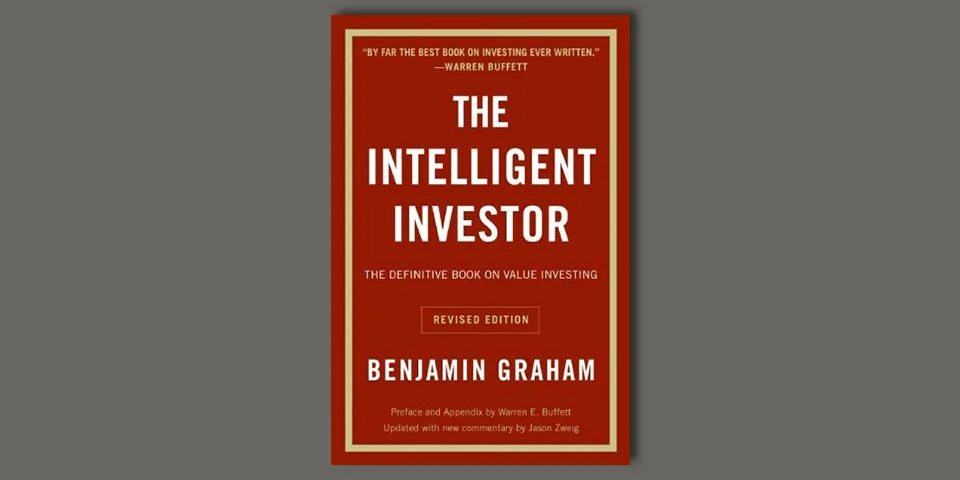
YouTube round‑ups aimed at 2026 readers echo that verdict, typically including Graham among the “top 5” or “must‑read” titles for anyone serious about understanding markets. The book covers concepts such as the distinction between investing and speculation, the idea of Mr. Market as an emotional partner you can choose to ignore, and the margin of safety, buying well below estimated intrinsic value.
For 2026 beginners, its main value is in slowing you down: it pushes readers away from meme‑stock trading and AI‑signal hype toward long‑term analysis, diversified portfolios, and skepticism about market predictions. Updated editions with commentary by Jason Zweig help translate Graham’s examples into modern contexts.
2. The Simple Path to Wealth – JL Collins
Where Graham is dense and analytical, “The Simple Path to Wealth” by JL Collins appears repeatedly on lists because it turns investing into a short, repeatable plan. Bankrate names it one of the best books for beginners seeking a “straightforward, low‑cost strategy,” while Morningstar and other personal‑finance educators recommend it for its focus on index funds over stock‑picking.
Collins argues that most investors are better off buying broad stock‑market index funds, holding them for decades, and ignoring day‑to‑day noise, a message that aligns with many 2026 guides warning beginners away from day‑trading apps and crypto speculation. The book explains asset allocation, why fees matter, and how to think about retirement accounts and tax‑advantaged investing in plain language.
YouTube channels aimed at migrants and younger investors in 2026 still recommend Collins as the best starting point if you “just want someone to tell you what to do” with long‑term savings without turning it into a full‑time job.
3. I Will Teach You to Be Rich – Ramit Sethi
While not a pure investing manual, Ramit Sethi’s “I Will Teach You to Be Rich” is consistently flagged by educators as a crucial personal‑finance companion for new investors. Bankrate and Morningstar include it among the best beginner reads because it focuses on building a system for your entire money life, budgeting, debt, credit cards, automated saving and investing, instead of treating investing in isolation.
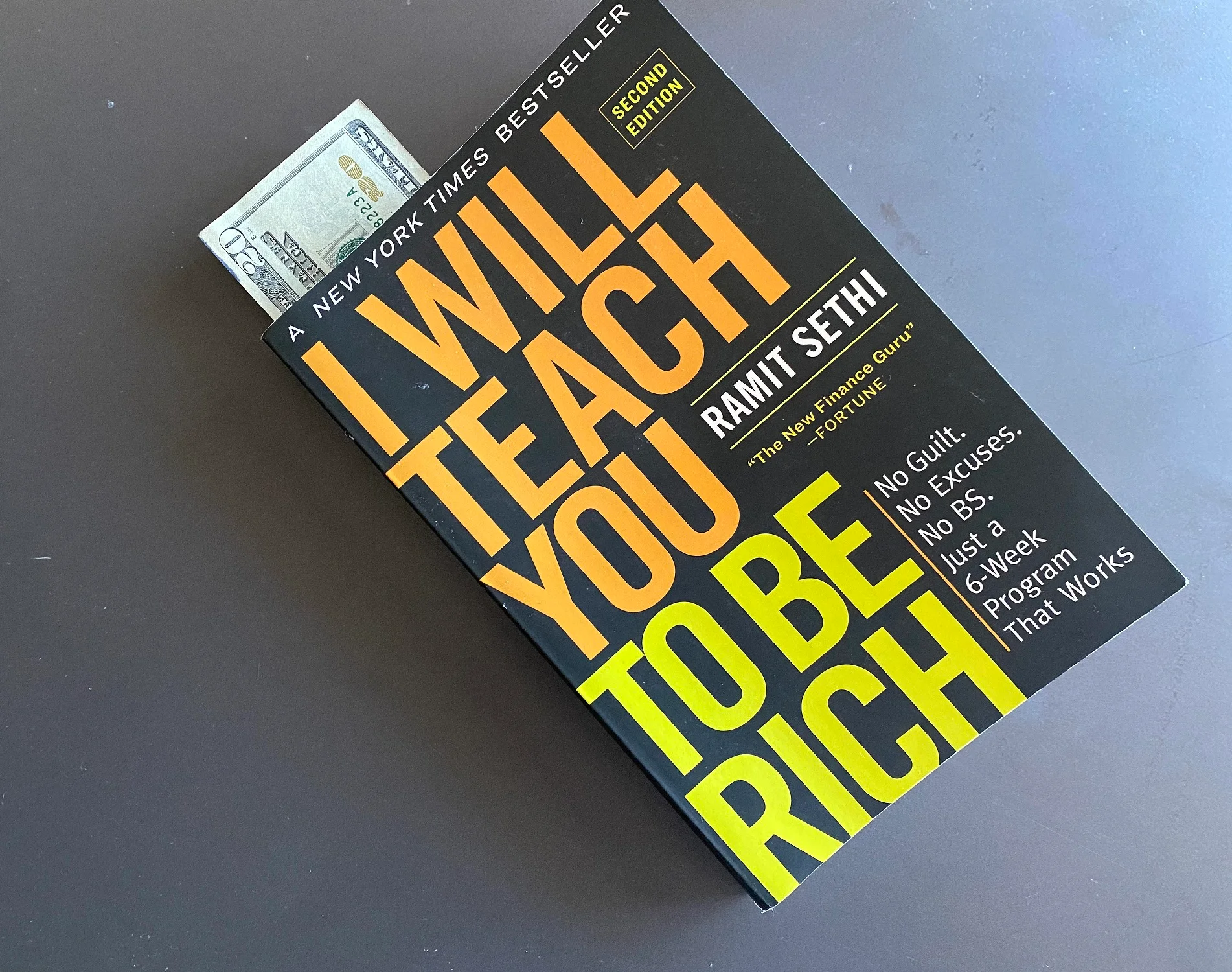
A 2026 YouTube guide to “5 best investment books for beginners” describes Sethi’s book as ideal for understanding how to automate contributions to index funds, set up separate accounts for bills and guilt‑free spending, and avoid common traps like fee‑heavy products and lifestyle creep. The latest edition updates sections on online banks, robo‑advisers, and negotiation scripts, keeping it relevant for today’s digital‑banking environment.
For a beginner, this book’s main benefit is showing that investing is just one part of a broader plan: you need emergency savings, a handle on debt and conscious spending choices before you start chasing returns.
4. Rich Dad Poor Dad – Robert Kiyosaki
Critics frequently point out the lack of detailed numbers and some questionable anecdotes in “Rich Dad Poor Dad”, but nearly every 2026 list aimed at absolute beginners still includes it because of its impact on mindset. Bankrate and FBS Academy mention Kiyosaki’s book as an accessible introduction to thinking about assets vs liabilities, cash flow and the difference between working for money and having money work for you.
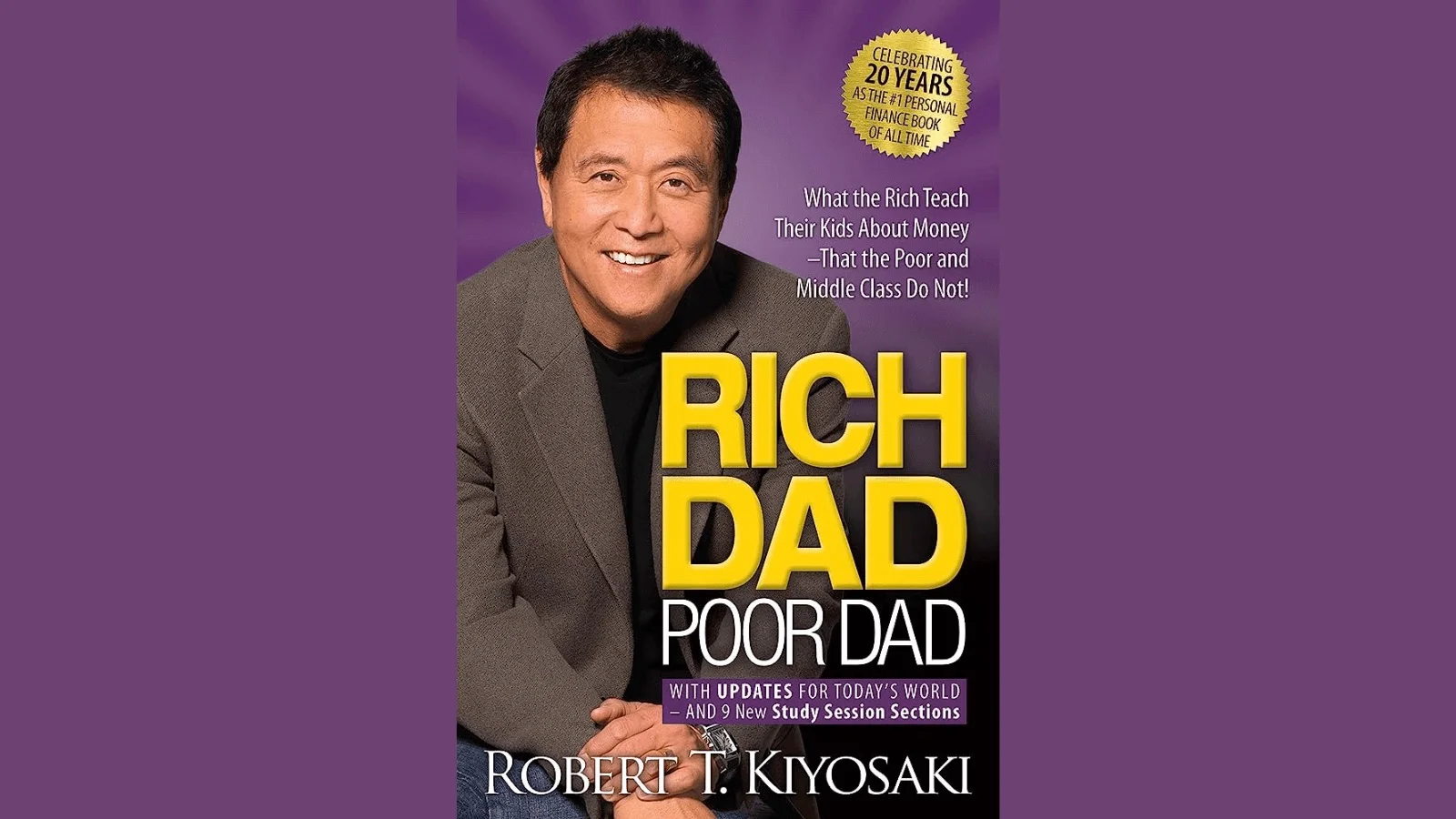
YouTube explainers for 2026 readers describe the book as a “gateway” that gets people interested in investing and business, even if you later need more rigorous guides on stocks and portfolio theory. It emphasizes buying assets that generate income, such as stocks, real estate, or businesses, instead of focusing solely on salary and consumer goods, an idea that resonates strongly in an era of inflation, gig work and financial anxiety.
For beginners, the key is to treat “Rich Dad Poor Dad” as motivation and perspective, then layer in more concrete, evidence‑based books (like Graham and Collins) to decide how to act on that motivation.
5. The Psychology of Money – Morgan Housel
Finally, almost every modern list now includes “The Psychology of Money” by Morgan Housel, which focuses on behavior, not stock selection. Bankrate ranks it among the top beginner books for 2025‑26, and Morningstar calls it “essential” for understanding why even smart people make bad money decisions.
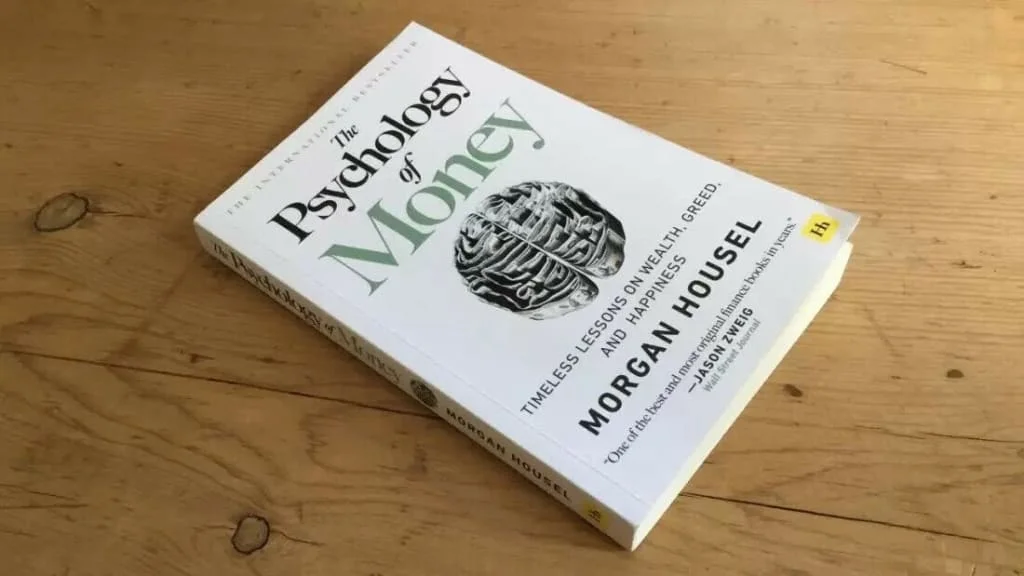
Housel’s core argument, highlighted in 2026 videos and blog round‑ups, is that success with money has less to do with IQ and more to do with patience, self‑control, and emotional discipline. Through short stories and historical anecdotes, he explains concepts like the power of compounding, the role of luck, why reasonable > rational, and why “enough” matters more than chasing maximum returns.
For beginners facing social‑media FOMO and meme stocks, this book is particularly relevant in 2026: it gives language and mental models for saying no, staying invested through volatility and designing a strategy you can actually stick to for decades.
Why these 5 stand out in 2026
Round‑ups from Bankrate, Morningstar, SmartAsset and trading‑education sites span dozens of titles, but they repeatedly cluster around these five for entry‑level readers because together they cover the full spectrum a beginner needs.
- Graham teaches principles and risk.
- Collins provides a simple, low‑cost plan.
- Sethi builds the personal‑finance system around your investing.
- Kiyosaki shifts your mindset toward assets and ownership.
- Housel explains the behavioral pitfalls that break most portfolios.
YouTube creators updating their “best books for 2026” lists largely pull from the same pool, sometimes adding titles like “The Little Book of Common-Sense Investing,” “One Up on Wall Street” or market‑specific guides, but rarely dropping these five.
For anyone starting out this year, reading them in roughly this order gives a progression from why investing matters, to what to buy, to how to behave, anchored in ideas that have survived far longer than any bull or bear market.