
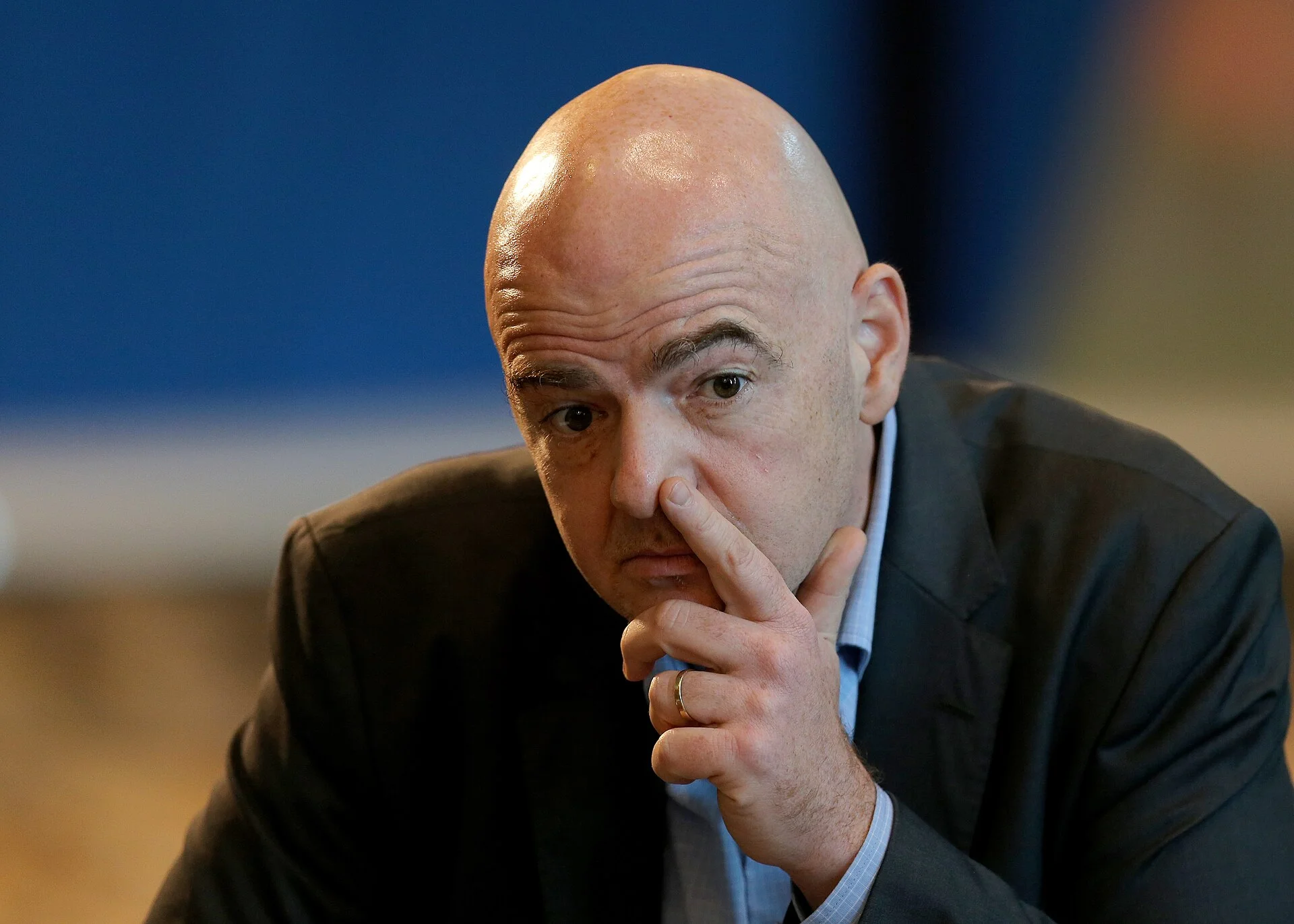
Gianni Infantino is facing a fierce backlash after FIFA unveiled a plan to sell minority stakes in its World Cup and other major competitions to private investors through a new commercial entity, a move critics say could put football’s most valuable tournament up for sale. The proposal has triggered anger from UEFA, the English Football Association, Concacaf and politicians, all of whom say FIFA has not provided enough transparency or consultation.
What FIFA proposed
FIFA said it wants to create a new $20 billion commercial subsidiary, the FIFA Forward Enterprise, to run major competitions and attract long-term private investment. Under the proposal, FIFA would keep a majority stake, while minority investors could buy into the unit in exchange for a share of the revenue stream.
The governing body says the plan could unlock as much as $10 billion in funding for football development in the next cycle, with member associations potentially accessing up to $40 million each if the proposal is approved. FIFA has framed the idea as a way to expand the sport’s commercial capacity and grow development funding around the world.
Infantino has defended the proposal as an “opportunity, not an obligation,” arguing that member federations can choose whether to proceed. But that message has not calmed the criticism, because many opponents see the plan as a fundamental change in how football is owned and financed.
Why the backlash is so intense
The strongest reaction has come from UEFA, which said FIFA had crossed a line that football’s governing institutions should never cross. The European body has reportedly discussed possible escalations, including a boycott threat, and is expected to consult its 55 member federations.
The English FA and Concacaf also said they were deeply concerned, citing lack of consultation and unclear governance. Critics say FIFA failed to properly brief its member associations before making a proposal with such far-reaching implications.
That concern is not only about process but about principle. Football officials who oppose the plan argue that the World Cup is not a normal asset and should not be treated like a commodity whose value can be packaged for outside investors.
Why investors are interested
The World Cup is one of the most lucrative properties in global sport. Broadcast rights, sponsorships, licensing, and ticket sales generate enormous revenue, and private investors are attracted by the scale and predictability of those cash flows.
FIFA’s pitch is that outside capital can expand development funding without reducing the organization’s control over sport governance. In theory, the money raised would help federations, grassroots football, and long-term growth in lower-income markets.
But critics worry that a financial investor will ultimately want returns that compete with football’s public-interest mission. They fear the profits could flow outside the game while the sport absorbs the reputational risk.
The governance fight
At the heart of the dispute is who gets to decide what football’s future looks like. FIFA says its 211 member federations will have to approve any major change, and Infantino has set a Sept. 19 deadline for them to accept the proposal.
That timeline has angered critics because they argue the plan was presented before enough consultation had taken place. In governance terms, that makes the process look top-down at a time when federations want to be heard.
The controversy is also political. The involvement of U.S. venture capital firm Thrive Capital and references to Joshua Kushner have added another layer of scrutiny because of the close relationship between football power, money, and political influence.
What could happen next
The immediate question is whether enough member federations will back the idea to move it forward. FIFA has signaled that the plan could still fail if federations reject it, in which case it says development funding would be lower than under the proposed model.
UEFA’s reaction will be crucial because Europe has long wielded outsized influence in football politics. If UEFA coordinates a bloc of opposition, FIFA could face one of the most serious governance challenges of Infantino’s presidency.
There is also a reputational risk for the World Cup itself. The tournament’s status as a global public spectacle depends on the idea that it belongs to fans and member associations, not outside shareholders.
Why this matters for football
This fight is about more than one financing plan. It is about whether elite football is moving toward a private-equity model in which the most important competitions are treated as investable assets.
If FIFA succeeds, it could set a precedent for other sports bodies looking to monetize future revenues. If it fails, it may reinforce the view that football’s biggest events are still too politically sensitive to be partly privatized.
Either way, Infantino has reignited one of sport’s oldest tensions: whether money is a tool for growth or a force that changes the game itself. For now, the backlash suggests many of football’s power centers believe he has pushed that balance too far.



