
Planning a veteran’s funeral requires care to ensure they receive their military honors. We explain what to know about organizing a ceremony for a veteran here.
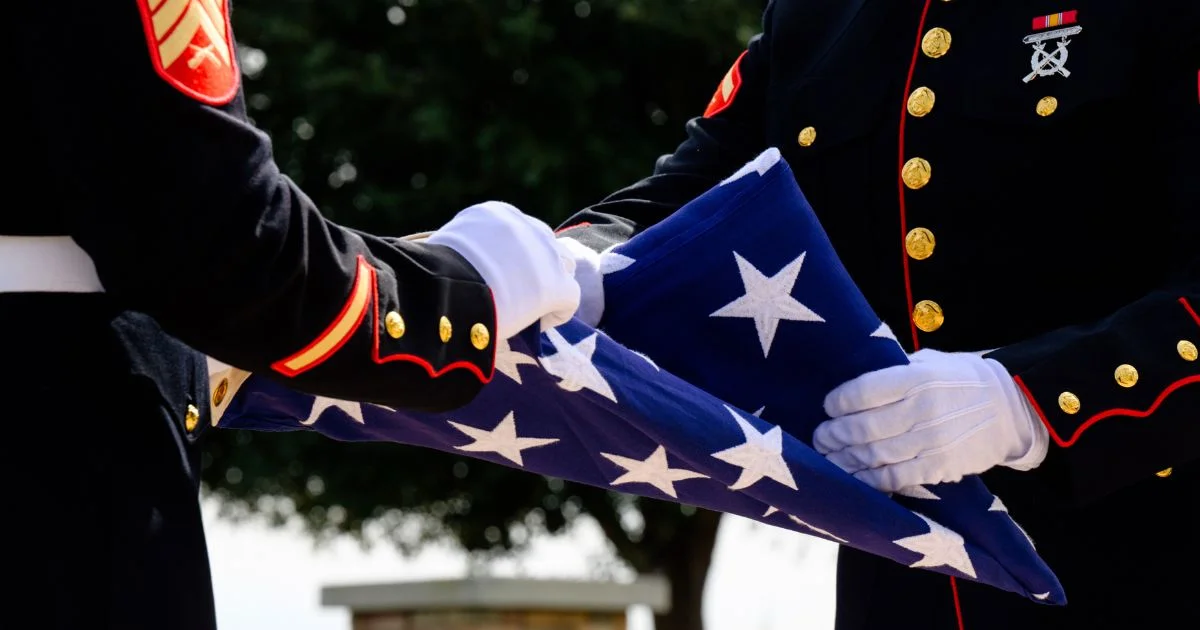
Planning a funeral for a veteran is a deeply meaningful task that carries a unique weight of responsibilities. Beyond the grief of losing a loved one, families of veterans must also consider how to honor their military service and ensure that their final farewell reflects the sacrifices made. Our guide below will explain the key things to know about planning a funeral for a veteran, from honoring their service to planning the ceremony.
Honoring Their Service
The service and achievements of a veteran deserve special recognition during their funeral. Take the time to personalize the ceremony to highlight their contributions to the military.
You may choose to display their military uniform, medals, or any certifications they earned during their service. Consider speaking with friends or fellow service members who can share anecdotes related to their time in service.
Navigating Military Funeral Honors
Military funeral honors bring tradition and dignity to the farewell of a veteran. The process of securing these honors, however, requires planning and awareness of the appropriate steps. Families should familiarize themselves with veteran burial benefits and understand what they qualify for.
To arrange military funeral honors, families should contact their local Department of Defense office or funeral home, which can coordinate with the appropriate military units. To verify eligibility, families will have to provide a copy of the veteran’s discharge paperwork, known as DD Form 214. The inclusion of military honors strengthens the ceremony’s atmosphere of respect and offers a significant acknowledgment of the veteran’s service.
Choosing a Burial Location
Another thing to know about planning a funeral for a veteran is the available burial locations for the deceased. When selecting a burial spot for a veteran, families should consider the options available through national, state, or private cemeteries. Veterans may be eligible for burial in a Department of Veterans Affairs (VA) national cemetery at no cost or can receive a government-provided headstone or marker.
State veterans’ cemeteries offer similar benefits but may have residency requirements or additional criteria. Families opting for private cemeteries can still request certain VA-provided benefits, such as a headstone or burial flag.
Planning the Ceremony
Creating a meaningful ceremony for a veteran blends traditional funeral elements with personal touches that honor their military background. Music often plays a key role, with “Taps” being a common, emotional choice. Incorporating the veteran’s favorite hymns or songs can make the service more personal.
Families may also include traditional military honors, such as a color guard or 21-gun salute, depending on the veteran’s rank and branch of service. Combining tradition with personal touches creates a heartfelt and memorable way to honor the veteran’s life and legacy.
Finding Comfort in Farewell
Organizing a funeral for a loved one is difficult enough, and for families of veterans, understanding the importance of their service adds another layer to the ceremony. Though it may come with unique challenges, reflecting on their legacy and celebrating their life can bring pride and healing. Utilize available resources for support, and remember that the nation shares its gratitude and respect for your loved one’s honorable service.