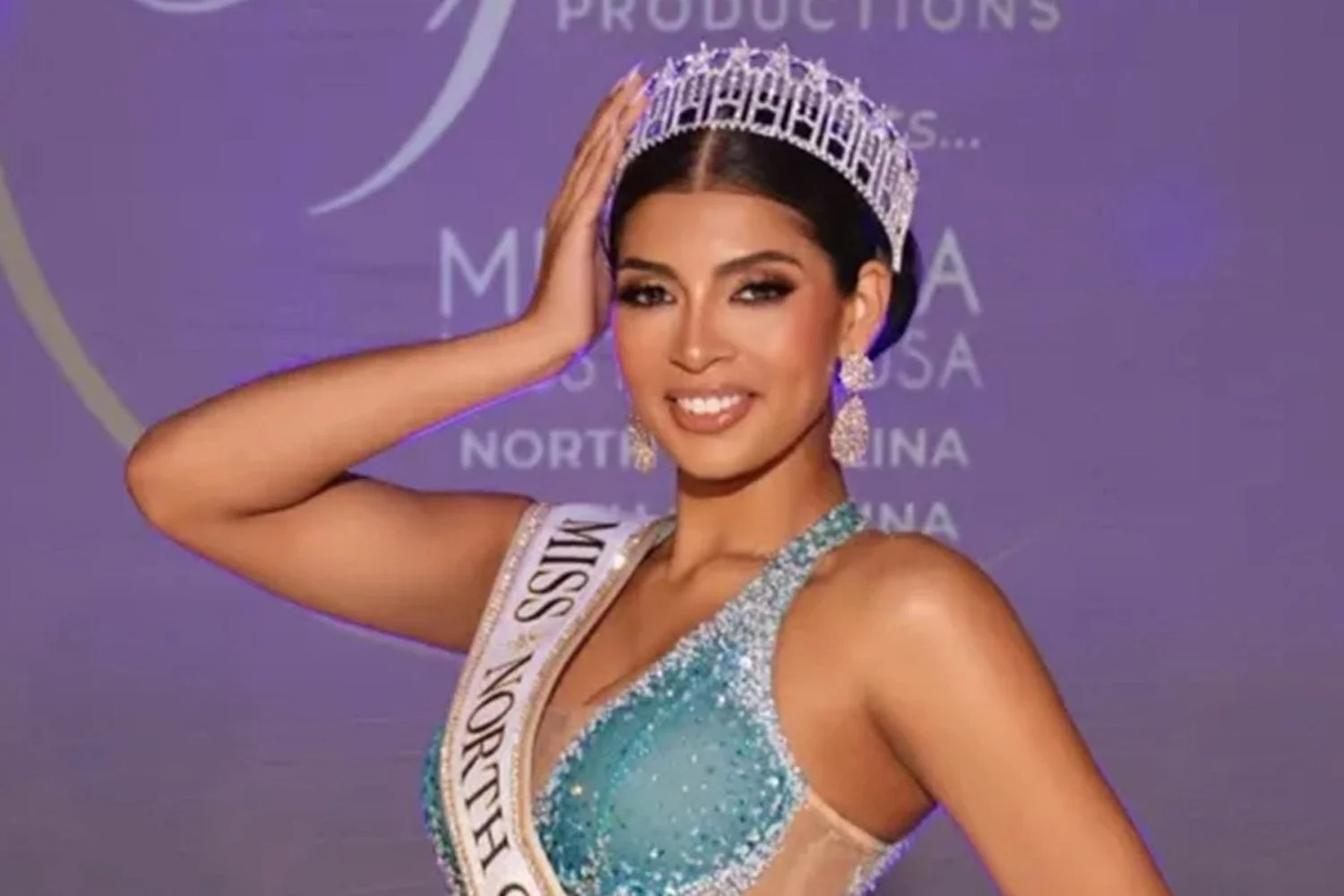
Brittany Boltinhouse’s tenure as Miss North Carolina USA 2026 has ended less than six weeks after it began, after pageant organizers said past social media posts attributed to her violated the Miss USA Organization’s standards and re‑ignited questions about racism in beauty pageants. First runner‑up Myla Hadley has been elevated to the state title and will now represent North Carolina at Miss USA later this month.
A reign that lasted barely a month
Boltinhouse, a 27‑year‑old entrepreneur from Wilmington and Duplin County native, was crowned Miss North Carolina USA on June 28 at the state pageant in Spartanburg, South Carolina. PageantUpdate and local outlets profiled her as Miss Wilmington USA turned state titleholder, celebrating her upcoming appearance at the 75th Miss USA pageant in Miami.
On August 5, that trajectory abruptly changed. The Miss USA Organization announced in a public statement that Boltinhouse “is no longer Miss North Carolina USA 2026,” saying the decision was reached “jointly with the titleholder, her state directors and the Miss USA Organization” after a review of “conduct over an extended period of time” that violated the organization’s standards.
Thom Brodeur, chairman and CEO of Miss USA said the organization had determined that Boltinhouse’s past behavior was inconsistent with its values. “We condemn racism, homophobia and transphobia in all their forms,” he said, without listing specific posts, and added that the pageant’s duty was to “protect the integrity of the title and those who hold it.”
Alleged racist posts spark backlash
Local and national reporting has tied the decision to a series of old social media posts attributed to Boltinhouse that began circulating online in late July and early August. TheGrio reported that those posts “repeatedly used the N‑word,” and characterized them as alleged racist content that spurred public outcry.
WWAY in Leland and WFMY in Greensboro both said Boltinhouse was stripped of her title “after past social media posts resurfaced and sparked public criticism,” citing A Blaize Productions, the firm that produces Miss USA state pageants in several Southern states, as confirming that the posts prompted a review.
The New York Post, in a separate account, described the material more broadly as “alleged racist social media posts” and said that pageant officials conducted a “comprehensive evaluation of the newly emerged information” before making the dethronement decision.
Neither Miss USA nor A Blaize Productions have released the posts themselves or detailed their contents, citing privacy and legal concerns, but both said they had concluded that Boltinhouse’s past conduct conflicted with the standards expected of state titleholders.
A Blaize Productions ends Boltinhouse’s reign
In a statement published Wednesday, A Blaize Productions said it had “made the difficult decision to conclude Brittany Boltinhouse’s reign as Miss North Carolina USA 2026,” after “careful consideration, multiple conversations, and in consultation with the Miss USA Organization.”
The company added that its succession procedures would be followed, naming first runner‑up Myla Hadley as the new Miss North Carolina USA 2026. “We have every confidence that she will represent North Carolina with grace, professionalism, and dedication as she prepares for Miss USA,” the statement said.
WWAY and WCTI, two North Carolina broadcasters, reported that Boltinhouse’s removal came “just weeks before the Miss USA competition,” which is scheduled to begin later this month in Miami.
Myla Hadley steps into the spotlight
Hadley, previously Miss Charlotte and first runner‑up at the state pageant, now holds the Miss North Carolina USA 2026 title and will represent the state at Miss USA. Cosmopolitan and People both confirmed that she will assume the crown, with Brodeur saying she has the organization’s “full confidence and our support.”
In an Instagram Story quoted by USA Today, Hadley addressed the situation only briefly, emphasizing her gratitude for the support she has received and her focus on preparing for Miss USA. “I am profoundly grateful and humbled,” she wrote, without directly mentioning the controversy around Boltinhouse or the posts.
Hadley’s ascension continues a recent pattern in pageantry where runner‑ups are called upon to assume titles after winners are disqualified or step down. The succession mechanism is built into most pageant rules but rarely invoked in such a high‑profile, late‑hour context, with the national competition just weeks away.
Pageant standards and social media scrutiny
The dethronement underscores the growing weight pageant organizations place on contestants’ online histories and public personas. The Miss USA Organization’s statement framed the decision as an enforcement of standards that apply beyond the on‑stage competition, referencing “conduct over an extended period of time” rather than a single incident.
Yahoo News noted that Miss USA explicitly condemned “racism, homophobia and transphobia” in its announcement, signaling that behavior in those areas can disqualify a titleholder even after they have been crowned.
The episode comes amid broader conversations in the entertainment and beauty industries about accountability for past online behavior. Pageant directors have increasingly added social media reviews to their vetting processes, but Boltinhouse’s case suggests that problematic posts can still surface after a win, especially when contestants have long digital histories.
What’s next for North Carolina’s representation
For North Carolina, the practical consequence is clear: Hadley, not Boltinhouse, will walk onto the Miss USA stage later this month. A Blaize Productions and Miss USA have both publicly rallied behind Hadley, emphasizing a desire to move forward. “What’s next is best,” A Blaize said in its statement, echoing language later picked up in social posts from the organization.
For Boltinhouse, whose bio highlighted her work as an entrepreneur in Wilmington and her journey through local titles like Miss Wilmington USA, the loss of the state crown just over a month after winning it brings that trajectory to an abrupt halt. PageantUpdate and WITN profiles that once described her as “Miss NC USA 2026” and future Miss USA contestant now stand as snapshots of a reign that ended before it reached the national stage.
More broadly, the incident adds another chapter to ongoing debates about how beauty pageants balance image, inclusion, and accountability. In an era when past posts can quickly re‑emerge and spread, the standards pageant organizations set, and how consistently they apply them, will likely remain under scrutiny well beyond the crowning of the next Miss USA.