
Key Facts
- Ethiopian federal troops and an allied militia now control Mekelle, the capital of Tigray. Three sources confirmed this to Reuters on Sunday, Oct. 4.
- On Saturday, the Tigray People’s Liberation Front (TPLF) said its regional government would be “temporarily moved out of Mekelle and operate from somewhere else.”
- TPLF chairman Debretsion Gebremichael called the pullout a strategic decision and said, “We will strike the enemy where we decide, not where they dictate,” the BBC reported.
- Ethiopia closed its embassy in Eritrea and expelled 10 Eritrean diplomats on Oct. 1. Eritrea then cut all diplomatic ties.
- A preliminary government-led assessment found that at least 150,000 people have fled their homes in the neighboring Afar region. The UN has warned that aid work in Tigray is nearing a standstill.
- A government-aligned Tigrayan official says a new interim administration is being set up, with regional elections planned “within a few months.”
Ethiopian government forces and allied fighters took back Mekelle over the weekend. The TPLF, which has governed Tigray in defiance of Addis Ababa, withdrew after a federal counteroffensive. The opposition alliance it leads had begun its own offensive less than two weeks earlier.
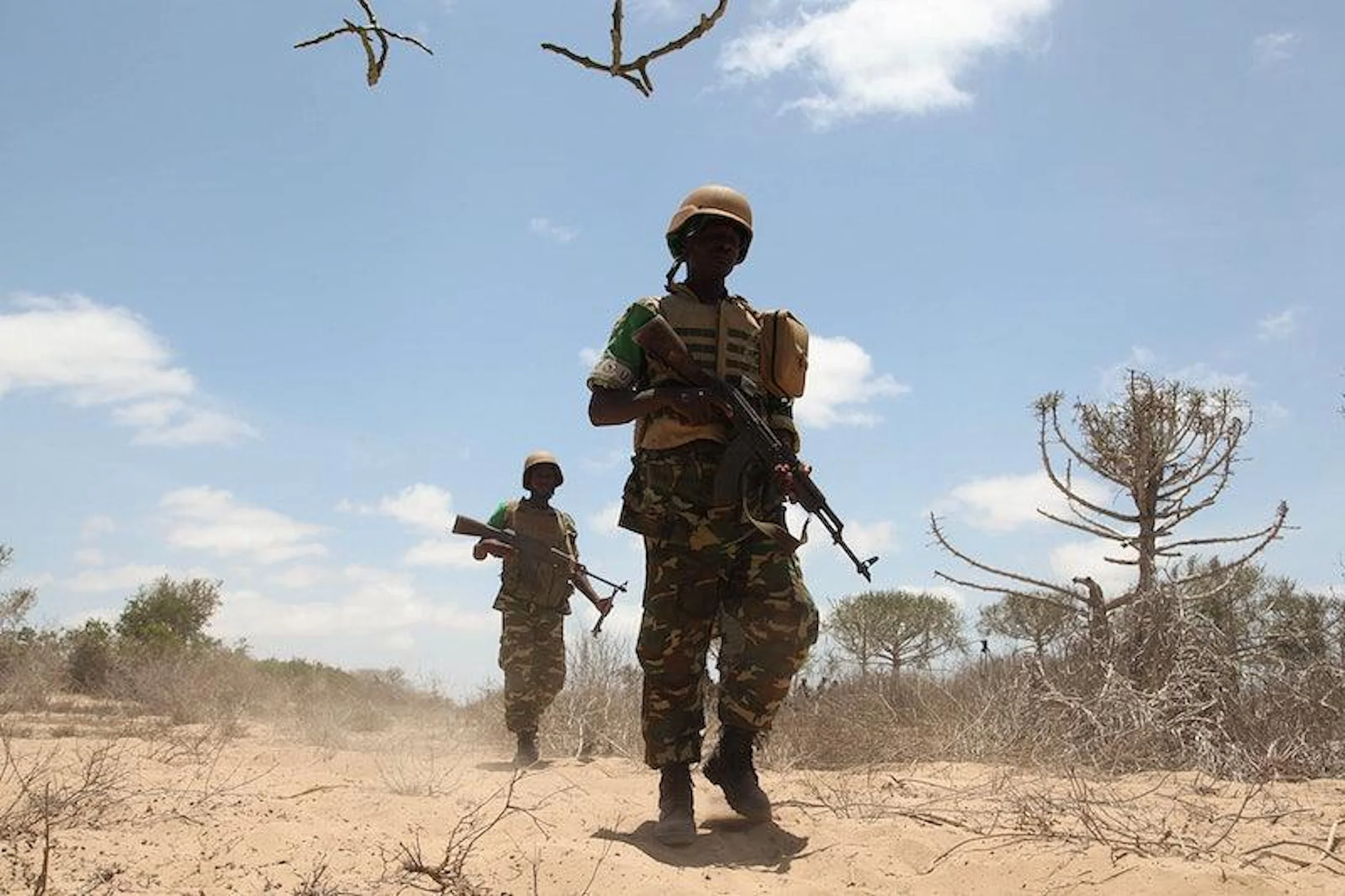
Fighters from the pro-government Tigray Peace Forces entered central Mekelle on Saturday afternoon, and the Ethiopian military followed, according to a source close to the militia quoted by Reuters. A humanitarian worker and a Mekelle resident, both unnamed, separately told Reuters that government forces controlled the city.
Ethiopia’s government had not made a detailed public statement about the takeover at the time of writing. The prime minister’s office and the army spokesperson did not respond to requests for comment from Reuters and AFP.
What Happened in Mekelle
TPLF-allied fighters left the city in small groups over several days, some on foot, according to business owner Filmon Equar Hailu, who spoke to the AP. He said civilians looted government offices and the regional police headquarters as the fighters left. He also reported celebratory gunfire overnight into Sunday.
Duke Burbridge, an American physician with the Health Network for Tigray, told the BBC the city had been mostly calm since the fighters left, apart from that early gunfire and looting. He said mobile phone service and mobile banking were back, though some foods, especially fruits and vegetables, were still hard to find.
According to Ethiopia Observer, phone and internet service in Mekelle had been cut for about 10 days before it returned on Sunday. Sources quoted by the outlet said the TPLF had ordered the telecom operators to shut down their networks. The TPLF has not publicly addressed that claim.
What the Parties Are Saying
The TPLF said it left Mekelle so federal forces would have no reason to bombard a densely populated city, Ethiopia Observer reported. The group said this was a tactical move, not the end of its resistance.
It followed a similar pattern in the 2020–2022 war. After losing Mekelle in 2020, it fought as a guerrilla force and retook the city in mid-2021.
On Thursday, Debretsion said the fighting was a “continuation of the previous war,” the AP reported. In a video message, he described it as “a war to control the Red Sea,” according to AFP.
Abraham Belay, former president of Tigray’s interim administration, outlined the government side’s plans in an interview carried by Ethiopian state media:
- Federal forces are clearing what he called “illegal armed forces” from the region, ENA reported.
- New local governing structures will be built up from the kebele, Ethiopia’s smallest administrative unit.
- Regional elections would follow.
“We are working to establish a new administrative structure that will enable the people of Tigray to govern themselves,” he told Fana Broadcasting Corporate, according to Al Jazeera.
An analyst at ACLED, an organization that tracks conflict data, told the AP that Prime Minister Abiy Ahmed was “very likely” to leave security in Tigray to the Tigray Peace Forces. The analyst described that militia as made up of former TPLF fighters.
Regional Escalation
The conflict has quickly spread beyond Ethiopia’s borders.
Ethiopia accuses Eritrea, Egypt and Sudan of backing the rebel alliance. All three deny the accusations.
When Ethiopia expelled the Eritrean diplomats, it said they were involved in activities posing “a direct threat to Ethiopia’s national security.” Eritrea responded that it had “no option but to reciprocate in kind and sever all diplomatic ties,” the BBC reported. Reports differ on timing: the AP and Al Jazeera said Eritrea announced the break on Thursday, while the BBC dated it Friday.
Ethiopia and Egypt also expelled diplomats from each other’s countries. Their relations have been strained for years by Ethiopia’s large Nile River dam, the Grand Ethiopian Renaissance Dam.
The accusations against Eritrea remain unverified:
- Abraham Belay said Eritrean troops fought alongside the TPLF.
- A pro-government militia commander told the BBC that Eritrean soldiers were on the front lines.
- The BBC said it could not verify the claim.
- Eritrea’s information minister, Yemane Gebremeskel, denied any Eritrean involvement.
On Sunday, the presidents of Egypt, Eritrea and Somalia and Sudan’s military leader, Gen. Abdel Fattah al-Burhan, met in El-Alamein, Egypt. Their joint declaration, reported by Ahram Online, did the following:
- rejected “unilateral actions” that could harm Egypt’s and Sudan’s existing use of Nile water
- endorsed “non-interference in internal affairs”
- said governing the Red Sea is “the exclusive responsibility of the Red Sea littoral states,” meaning the countries with Red Sea coastlines
Landlocked Ethiopia has no Red Sea coastline. Abiy has said Ethiopia needs sovereign access to the sea, which Eritrea views as a threat.
On Saturday, the U.S. State Department said cross-border tensions “have the potential to affect the entire region.” It urged Ethiopia and Eritrea to “exercise maximum restraint and return to dialogue,” AFP reported.
Human Toll
Verified casualty figures for the current fighting are not available. Disruptions to communications have limited independent reporting, and the BBC said it could not report from Tigray.
Partial figures from individual sources:
- A doctor in Alamata, in southern Tigray, told the BBC that at least 52 civilians were killed in three days of fighting.
- Médecins Sans Frontières (Doctors Without Borders) reported treating at least 720 wounded people across its facilities.
- The UN human rights chief, Volker Türk, said reported airstrikes hit five schools in Tigray on Sept. 22.
OCHA, the UN’s humanitarian coordination office, said there were not yet any officially verified displacement figures for Tigray or Amhara, and that flights to Tigray remain suspended. Before this round of fighting, about 1.9 million Ethiopians were already internally displaced.
“The situation presents serious concerns over the protection of civilians, particularly those who were displaced by the last conflict,” said Ozonnia Ojielo, the UN humanitarian coordinator in Ethiopia.
What Remains Unclear
Several key questions have no confirmed answer:
- where the TPLF leadership is now
- how strong its remaining forces are
- whether fighting continues outside Mekelle
An opposition-linked source claimed drone strikes on Addis Ababa last week, after residents and diplomats reported explosions near military sites. Al Jazeera said the claim could not be independently verified.
Accounts of when the fighting began also differ. Amnesty International dates it to Sept. 21. OCHA dates the alliance’s formation to Sept. 21 and the TPLF’s seizure of the airports to Sept. 23.
Background
The 2020–2022 war killed about 600,000 people, according to the African Union, and pushed Tigray toward famine. It ended with the Pretoria Agreement in November 2022, mediated by the African Union. Key parts of that deal were never fully carried out, including disarming Tigrayan forces and returning displaced people.
Tensions grew through 2026:
- In April, Abiy extended the mandate of the federally backed interim administration.
- On May 5, the TPLF restored the regional council that existed before the war, and the council elected Debretsion regional president. That left Tigray with rival administrations.
- In September, the TPLF joined six other armed groups, including the Fano militia from the Amhara region, in an alliance that says its aim is to overthrow Abiy’s government.
What Happens Next
The government side says a new interim administration will be formed and regional elections will follow. No date has been announced.
Amnesty International has called on the African Union’s Peace and Security Council to hold an emergency session. In Amnesty’s words, the ceasefire agreement “has now effectively collapsed.” The council had not announced a session at the time of writing.
The UN special envoy, Guang Cong, is working with the African Union and IGAD, the East African regional bloc, to restart dialogue under the 2022 accord. The UN is also negotiating humanitarian corridors into and out of Tigray.