Key Facts
- U.S. District Judge Timothy J. Kelly ordered the Trump administration to immediately restore White House access for journalists from CNN, MS NOW and Politico.
- The ruling temporarily blocks President Donald Trump’s Sept. 18 ban on the three outlets, which the administration put into effect the following day.
- Kelly found that the organizations were likely to succeed in arguing that their White House “hard passes” were revoked without constitutionally adequate due process.
- The judge rejected the administration’s assertion that the restrictions were justified by national-security concerns, writing that the record lacked factual support for that argument.
- The temporary restraining order lasts 14 days while the lawsuit proceeds; it does not decide the full merits of the constitutional challenge.
A federal judge has ordered the Trump administration to restore White House press access to CNN, MS NOW and Politico, delivering an early legal setback to President Donald Trump in his latest confrontation with major news organizations.
U.S. District Judge Timothy J. Kelly ruled that the outlets were likely to succeed in showing that the White House revoked their press credentials without constitutionally adequate due process. The order requires the administration to “immediately return, reinstate, and restore” the hard passes held by reporters from the three organizations and prevents the government from enforcing the ban for 14 days.
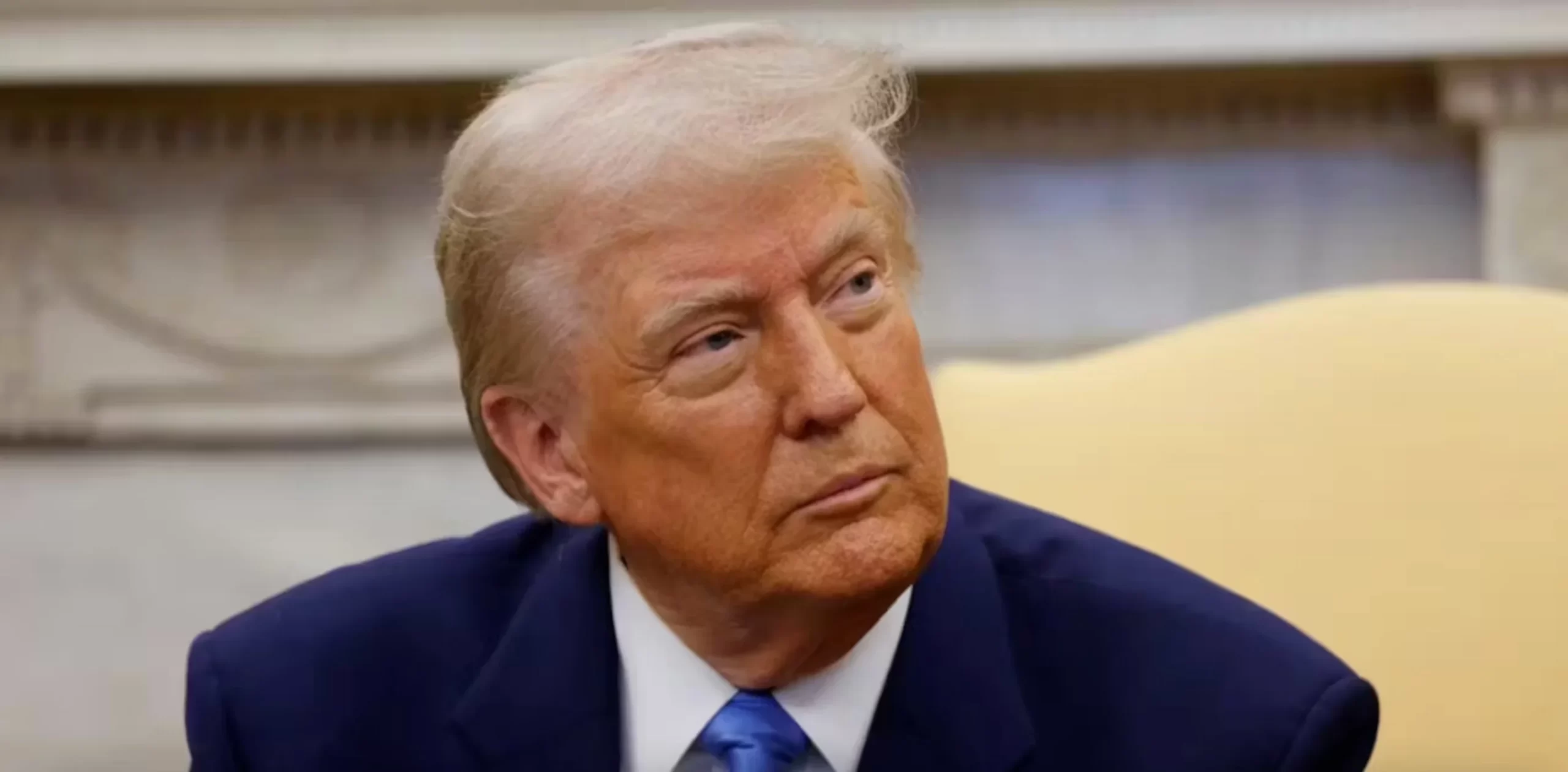
The ruling is temporary, not a final decision on the lawsuit. But it represents a significant rebuke of the administration’s attempt to bar three outlets from White House grounds after Trump publicly cited what he regarded as unfair, negative or untruthful coverage.
Kelly, a Trump appointee, also questioned the government’s national-security defense. He wrote that the record did not support the claim that revoking the reporters’ access would protect national security or that restoring their passes while the case continues would create a security threat.
The decision returns the immediate focus to a larger constitutional question: Can the White House selectively exclude news organizations from ordinary press access because the president dislikes their coverage?
What the judge ordered
Kelly’s ruling grants a temporary restraining order sought by CNN, MS NOW and Politico after the White House revoked access credentials held by employees of the outlets.
The practical effect is direct. The administration must restore the reporters’ hard passes, which allow regular access to the White House complex for credentialed journalists. The order will remain in effect for 14 days unless it is extended, modified or replaced by a later court ruling.
The decision does not force the White House to provide interviews, grant exclusive access, select particular journalists for the press pool or treat every news organization identically in all settings. Instead, it addresses the revocation of existing access credentials from outlets that had routinely covered the White House.
The distinction is legally important. Presidents and their staffs have broad discretion over their own schedules, news conferences and communications. But courts have generally held that once the government opens a press-access system, it cannot deny participation on arbitrary or viewpoint-based grounds without following fair procedures.
Kelly’s order indicates that the administration may have crossed that line by revoking access without sufficient notice, an opportunity to respond or a factual justification tied to a legitimate security concern.
The ban and the lawsuit
Trump announced the ban on Sept. 18, targeting CNN, MS NOW and Politico. The White House denied access to reporters from the organizations the following day.
The three outlets sued, arguing that the decision was unlawful retaliation for constitutionally protected journalism. Their complaint said the restrictions violated the First Amendment, which protects free speech and a free press, as well as the Fifth Amendment’s due-process protections.
Trump had indicated that the decision was driven by his displeasure with the organizations’ reporting. He said the outlets had published “cumulative stories” that had left him frustrated, telling reporters: “You get sick of it.”
That public explanation created a central problem for the government in court. A president’s dislike of a news outlet’s coverage is not generally considered a valid basis for government punishment. The First Amendment does not require public officials to like or cooperate with journalists, but it does limit their ability to use official power to penalize unfavorable reporting.
The Justice Department argued that national-security concerns justified the restrictions. But Kelly found the factual record insufficient to support that claim. The judge noted that Trump’s own initial comments about the ban had focused on alleged falsehoods and negativity in coverage rather than security concerns.
That mismatch between the president’s public rationale and the government’s courtroom defense appears to have weakened the administration’s position.
Due process, not only press freedom
Kelly’s ruling rested heavily on due process.
The judge said CNN, MS NOW and Politico were likely to show that their hard passes were revoked without “constitutionally adequate due process.” In his view, the outlets had not received a meaningful opportunity to contest the decision before losing access.
Due process is often described as the requirement that government act fairly when it deprives someone of a protected interest. In this case, the issue is not that reporters have an unlimited constitutional right to enter the White House. Rather, the question is whether journalists who have been granted ongoing credentials can lose them without notice, a stated reason and a chance to respond.
Kelly cited precedent from the U.S. Court of Appeals for the District of Columbia Circuit that requires meaningful procedural protections when the government revokes press access. During a hearing Wednesday, he said the White House did not appear to have complied with those prior rulings.
The ruling reinforces an important principle: press credentials are not simply favors that can be withdrawn arbitrarily when coverage becomes uncomfortable. Once a government system establishes regular access, officials must follow lawful procedures in administering it.
This does not mean journalists are immune from losing credentials. Access can be restricted for legitimate reasons, including security violations, disruptive conduct or failure to comply with neutral rules. But the government must show that such reasons are real, applied fairly and supported by process.
Why the national-security claim failed
The Trump administration’s argument that the ban was justified by national security became a focal point of the case.
In court filings, government lawyers said the White House needed authority to regulate who could access the complex and suggested that allowing the excluded outlets to retain credentials posed a security concern. The administration also accused the outlets of publishing false information.
Kelly was not persuaded on the record before him.
“The record lacks factual support for defendants’ contention that the revocation of plaintiffs’ hard passes will in fact protect national security or that national security will be endangered if the court orders their passes reinstated while this litigation proceeds,” he wrote.
The wording matters. The judge did not say national-security concerns can never justify restricting press access. The White House is a sensitive government facility, and security rules are plainly necessary. He said the administration had not demonstrated a factual basis for applying such concerns to CNN, MS NOW and Politico in this case.
That conclusion may affect the broader lawsuit. If the administration later attempts to defend the ban with different evidence or arguments, it will need to explain why those grounds were not articulated at the time the access was revoked. Courts generally view post-hoc justifications with skepticism when public officials have already stated a different reason for their actions.
The First Amendment stakes
The case has implications beyond three outlets and one administration.
The First Amendment prohibits the government from retaliating against people or organizations because of their speech. For the press, that protection is particularly important when coverage is critical of the officials who control access to government spaces and information.
CNN, MS NOW and Politico argue that the White House targeted them because of their editorial viewpoint. If that is ultimately established, the ban could be found to be unconstitutional viewpoint discrimination, a form of government action that courts typically scrutinize closely.
Viewpoint discrimination occurs when the government treats speakers differently because it agrees or disagrees with what they say. In the press context, it can take the form of denying access, excluding reporters, withholding credentials or otherwise using official power to punish disfavored coverage.
The White House may argue that its restrictions were based on conduct, accuracy or security rather than viewpoint. But Trump’s public comments about negative coverage will remain central evidence for the outlets. His words may make it difficult for the administration to establish that the decision was neutral.
The dispute also reflects a tension in presidential press relations. Every White House seeks to shape its message, reward favorable outlets and push back against coverage it considers unfair. But a constitutional democracy requires an independent press that can ask hostile questions, investigate official conduct and publish stories the government would prefer not to see.
The legal system’s role is not to decide whether coverage is fair. It is to decide whether the government may use official authority to penalize journalists for that coverage.
A familiar judge in a new dispute
Kelly’s involvement carries additional significance because he has previously dealt with White House press-access litigation.
During Trump’s first term, Kelly ruled in favor of CNN reporter Jim Acosta after the White House suspended Acosta’s press credential. The court concluded at the time that the reporter’s pass could not be revoked without due process.
That earlier case established a legal backdrop for the current dispute. The administration was on notice that press-pass revocations require procedures, and Kelly’s comments at Wednesday’s hearing suggested he saw the same basic problem again: an access decision made without adequate notice or opportunity for the affected journalists to challenge it.
This case differs in one respect: it involves entire news organizations rather than a single reporter. That could raise broader constitutional concerns because barring an outlet affects not just one journalist but editors, producers, photographers and the public that relies on its reporting.
At the same time, the order is limited. It protects access only for CNN, MS NOW and Politico, and only temporarily. Other outlets facing different restrictions would need to bring their own claims or seek to join a broader challenge.
The context of recent press-access fights
The White House ban did not emerge in isolation. Trump’s relationship with the press has been marked by frequent criticism of news organizations, accusations of “fake news” and disputes over access.
The administration has also faced legal challenges from other media organizations. In a separate case involving The Associated Press, a federal trial judge initially found that a White House restriction was likely inconsistent with First Amendment protections. But an appellate panel later narrowed that ruling, emphasizing the president’s authority over certain events and press-pool arrangements.
That legal history shows why the current case is unlikely to end with the 14-day restraining order. The administration could appeal, seek to modify the order or continue litigating the merits. The news organizations will likely seek a longer-lasting preliminary injunction, which would require a more developed record and fuller legal analysis.
The current ruling is nevertheless meaningful because it protects access while the case moves forward. Without it, reporters from the outlets would remain outside the White House grounds during a period of active coverage of foreign policy, domestic politics and the administration’s daily operations.