
REAL ID is a federally required upgrade to state-issued driver’s licenses and ID cards that adds standardized security features and stricter identity checks. Soon, you will need it to board domestic flights or enter some federal buildings in the United States. Starting on May 7, 2025, people 18 and older who want to fly within the U.S. will need a REAL ID-compliant license or another accepted document, like a U.S. passport, passport card, or some military or tribal IDs. You can still drive, vote, and use state services with a regular (non-REAL ID) license, but it won’t be enough on its own at TSA checkpoints and many secure federal buildings.
What Is REAL ID and Why It Exists
The REAL ID Act, which Congress passed in 2005, sets minimum security standards for how states issue driver’s licenses and ID cards. It also sets standards for how those cards can be used for “official purposes,” such as flying and getting into certain federal sites. To be in line with REAL ID, a state card must meet federal standards for:
- More proof of identity, like a legal name, date of birth, Social Security number, and proof of residency.
- Design of cards that can’t be tampered with and technology that can read them.
- The difficulty in getting extra licenses through different names resulted from data-sharing protocols.
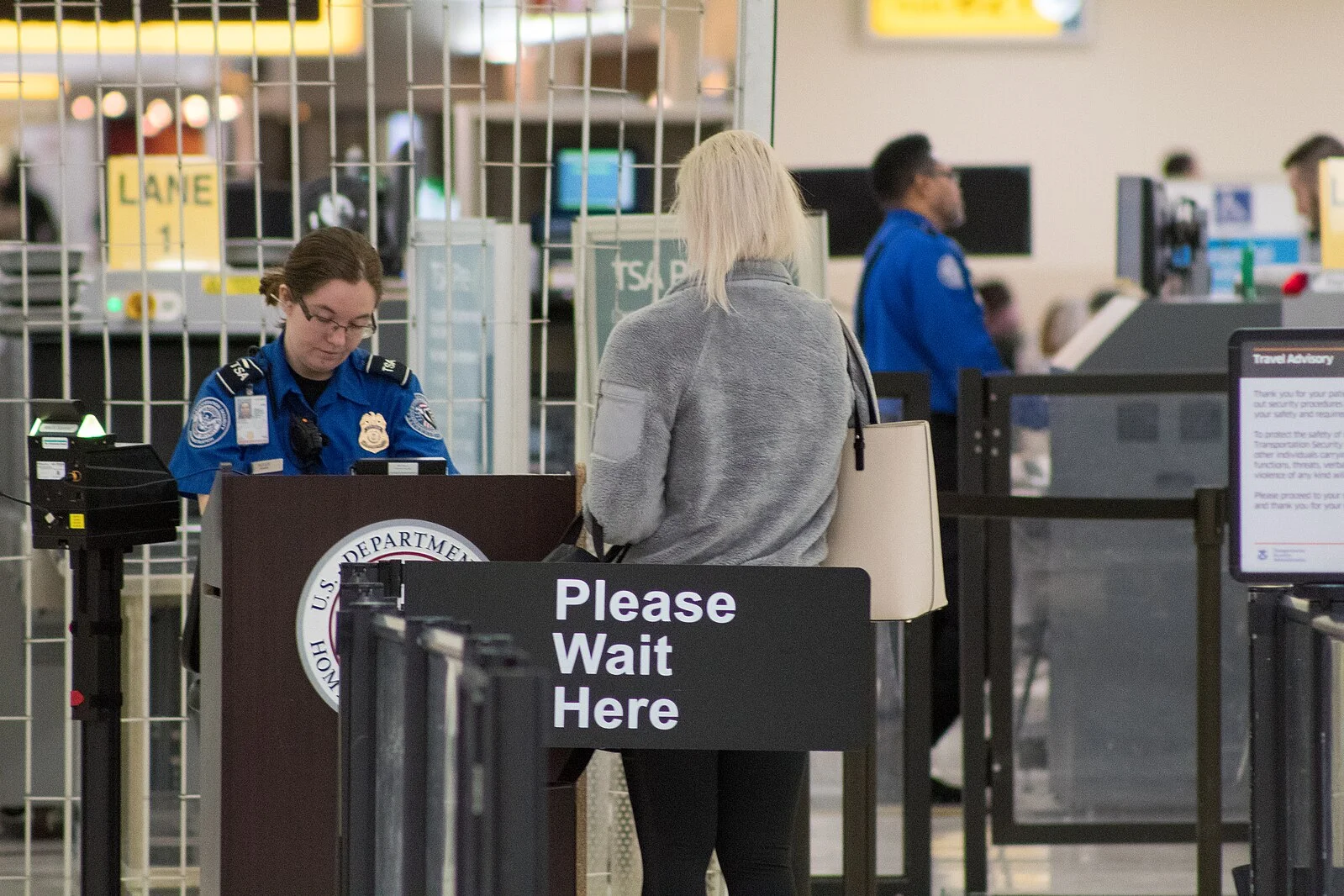
After several extensions of the enforcement deadline set by the U.S. Department of Homeland Security, it has now been set for May 7, 2025, nationwide. Therefore, beginning on May 7, 2025, TSA will no longer accept standard state-issued driver’s licenses with either the phrase “Federal Limits Apply” or an equivalent indication as a legitimate form of ID to board a domestic flight without additional identification.
What Changes at the Airport and Federal Buildings
From May 7, 2025:
To get on a domestic commercial flight, you need to show:
- A driver’s license or ID card that meets REAL ID requirements, or
- A U.S. passport or passport card, a DHS Trusted Traveler card, a permanent resident card, some military IDs, or a federally recognized tribal ID are all acceptable options.
You will also need a REAL ID or an approved alternative to get into secure federal buildings, such as many federal courthouses, some federal office buildings, and military bases.
What does not change:
- You don’t need a REAL ID to drive, vote, go to the hospital, go to the post office, or go into many federal buildings that aren’t secure.
- You will still need a valid passport to fly internationally; REAL ID alone is not enough.
TSA and DHS say that there may be a phased enforcement period. During this time, some agencies may be able to use warnings or extra screening for a short time, but full card-based enforcement must be in place by May 2027 at the latest.
How to Get a REAL ID: Basic Steps
The exact procedures differ from state to state, but the basic steps are the same across the country. You usually must go to your state’s DMV or a similar agency in person and bring original documents.
Choose the ID you need
- REAL ID: Looks like a regular license but usually has a star or other REAL ID symbol on it. It meets federal standards for air travel and federal buildings.
- Enhanced ID (offered in some states, like New York, Michigan, Washington, and Vermont): Also meets REAL ID standards and can be used instead of a passport to cross land and sea borders into Canada, Mexico, and some Caribbean countries. It costs more.
- Standard/”Federal Limits Apply” license: This is cheaper and easier for some people to get, but it won’t be valid for flights or some federal facilities after May 7, 2025.
Gather required documents
Most states require:
- A valid U.S. birth certificate, passport, or Permanent Resident Card can show who you are and when you were born.
- You need to show your Social Security number, like your Social Security card, W-2, or pay stub with your full SSN.
- Two pieces of mail that show your home address, like a bank statement, a utility bill, a lease, or a pay stub.
- If your current legal name is different from your birth name, you will need more documents, such as marriage certificates or court orders.
You usually can’t use photocopies or old records; all documents must be original or certified copies.
Go to a DMV office.
- Bring your papers and fill out the REAL ID application. Some states have online pre-screening tools or document checklists to make the process go faster.
- Even if your current license photo is recent, the federal government requires that you have your photo taken again.
- In many states, you’ll get a temporary paper license and then your REAL ID card in the mail in about two weeks.
Fees vary by state, but they are usually the same as the standard renewal fees. In some states, getting a REAL ID at renewal time may not cost anything extra, while getting an Enhanced ID usually costs more (for example, an extra $30 in New York).
REAL ID vs. Regular ID: Key Differences
The main difference is where and how you can use the card:
Safety and checking
- REAL ID: Given out after more thorough identity checks and with extra security features.
- Regular ID: Follows state standards that may not be as strict.
Where it works
- TSA checkpoints for domestic flights and secure federal buildings will accept REAL ID along with other forms of ID, such as passports.
- Regular ID (also called “Federal Limits Apply” licenses): You can use them to drive, get state services, and do most everyday things, but they won’t be enough to fly within the US or get into many secure federal buildings after May 7, 2025.
Appearance
- REAL ID: Usually has a star or flag symbol and language that says it meets federal standards.
- Regular ID: Usually has writing on it that says something like “Federal Limits Apply.”
Cost and flexibility
- REAL ID: Usually costs the same to renew as a regular license. It’s easier to travel within the US if you don’t have a passport.
- Enhanced ID (if you can get it): It’s more expensive, but it lets you cross borders more easily by land and sea to get to nearby countries.
Who Might Not Need REAL ID
Some people might decide to skip REAL ID for now. For example:
- People who travel internationally a lot and already have a valid U.S. passport that they plan to use at TSA checkpoints.
- People who don’t fly often or at all and don’t go to secure federal buildings.
- People who can’t meet the documentation requirements but have other acceptable IDs, like some military or tribal cards.
Advocacy groups say that the requirements for REAL ID can be hard for undocumented immigrants and others who don’t have traditional paperwork. In some states, people who are not citizens can still get standard licenses, but these licenses are clearly marked as not REAL ID-compliant and can’t be used for federal identification purposes.





