Victor Wembanyama is walking away from millions of dollars in soda money, and says he is doing it for children’s health. Before he ever played an NBA game, the San Antonio Spurs star rejected lucrative soft‑drink endorsement deals and has continued to refuse them in the United States, instructing his agent not to associate his image with big soda brands because, as he puts it, he does not want to “kill kids.”
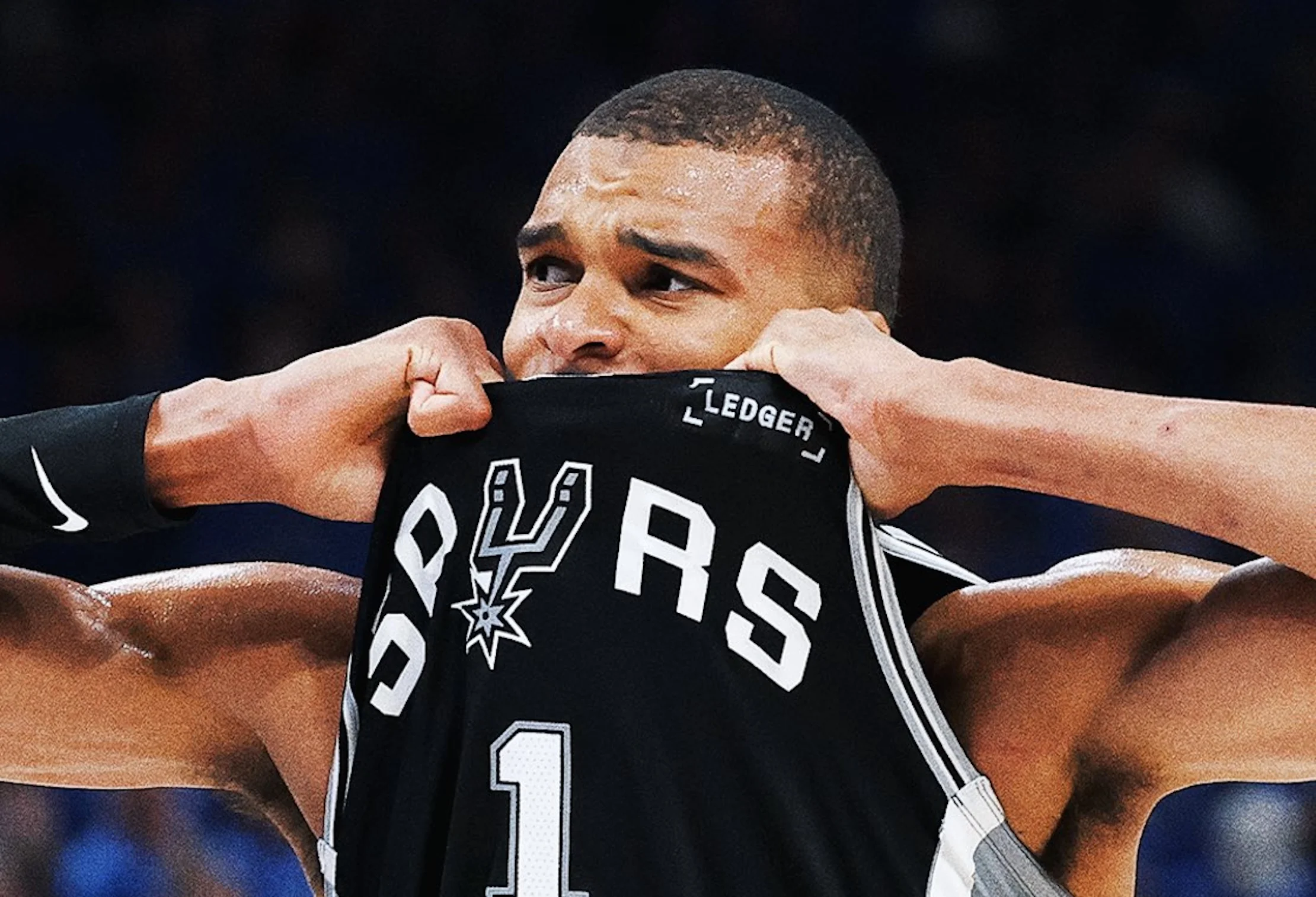
Turning down soda money before the NBA
Wembanyama’s stance dates back to his teenage years in France, when he was earning roughly $150,000 with Metropolitans 92 and already attracting global brands. According to multiple reports, including BasketNews and the New York Post, he rejected a series of soda sponsorships worth millions of dollars before he was drafted No. 1 overall by San Antonio in 2023.
His longtime agent, Jérémy Medjana, told The Athletic, as relayed by Yahoo Sports and other outlets, that the decision was deliberate and categorical. “We’re not gonna mix his image with sodas like Coca‑Cola,” Medjana said. “Many companies want him, but Victor will never endorse soda. He believes in not harming children.”
That view has traveled with him to the NBA. Yahoo Sports reports that Wembanyama “won’t endorse soda brands because he doesn’t want to kill kids,” framing the issue as one of responsibility to young fans who look up to him and copy what they see on screen.
A brand built around health and performance
Instead of traditional soda and legacy sports drinks, Wembanyama has aligned himself with Barcode, a plant‑based performance beverage marketed as having no added sugars. His partnership with the company sits alongside deals with Nike, Louis Vuitton, 2K Sports, Topps, Fanatics and Texas grocery chain H‑E‑B, giving him a portfolio that spans sportswear, luxury fashion, gaming, collectibles and “clean” hydration.
The 22‑year‑old Frenchman has taken the message beyond sponsorship sheets. BasketNews and the New York Post report that he will not start certain press conferences until Gatorade bottles, a ubiquitous presence at NBA podiums, are removed from the table. The gesture, small but highly visible, underscores a personal preference for water and Barcode‑style drinks and signals a break from decades of league imagery built around colored sports beverages.
Wembanyama’s net worth is estimated at around $10 million in 2026, largely from his rookie contract and existing endorsements, a figure analysts expect to surge once he becomes eligible for a five‑year maximum extension and a bigger sneaker deal. His refusal to take soda money therefore looks less like a luxury of wealth and more like a conscious choice to leave substantial income on the table at an early stage.
“He doesn’t want to kill kids”: the message behind the rejection
The language around Wembanyama’s stance has been strikingly blunt. Yahoo Sports paraphrased his position as not wanting to “kill kids” by promoting products he views as harmful when consumed in large quantities, particularly by young people. BasketNews likewise framed his refusal as rooted in concern for children’s health, reporting that he is “leaving millions on the table” for what his camp describes as a “powerful reason.”
Medjana, his agent, has cast the approach as part of a broader commitment to long‑term wellbeing and authenticity, saying Wembanyama will not attach his name to products he does not personally use or believe in. That principle, they argue, matters more in an era when young fans can replay every clip, screenshot every advertisement and follow their heroes across platforms.
The stance also reflects a shift in how some elite athletes think about their image. Where previous generations of stars routinely fronted campaigns for sugary drinks and fast food, Wembanyama is part of a younger cohort positioning themselves as guardians of holistic health balancing performance, diet, sleep, and mental wellbeing, in a league that markets itself as the home of hyper‑modern sports science.
How Wembanyama’s choice fits into the NBA’s endorsement culture
Soda and sugary beverages have been embedded in the NBA’s marketing for decades, from classic Michael Jordan commercials to arena‑side signage and locker‑room fridges. Even today, energy drinks, sports beverages and soft drinks rank among common categories in athlete sponsorship portfolios.
Wembanyama’s refusal therefore stands out not just for its moral language but for its timing. At 22, he is already one of the league’s most marketable global stars, with a projected max extension with the Spurs potentially worth more than $250 million over five years under the NBA’s “Rose Rule” provisions. Industry sites note that his yearly endorsement income, currently estimated in the mid‑seven‑figure range, could grow to rival or exceed his salary as his profile rises.
Yet Wembanyama has chosen to cap certain categories before they even begin. His camp has signaled that soda is off‑limits, and that he will prioritize brands that fit a narrative of performance, sustainability, and positive influence on young fans. That filters not only what products appear beside his name, but also how brands pitch campaigns around him.
NBA commissioner Adam Silver, speaking to The Athletic and relayed by the New York Post, suggested that Wembanyama is trying to keep commercial distractions from overwhelming his primary goal: winning championships. “Victor understands the importance of not letting the distractions of fame interfere with his journey,” Silver said. “Ultimately, he will be remembered for his championships rather than commercial ventures or his platform to address important issues.”
Risk, reward and the future of athlete‑led health advocacy
Financially, Wembanyama’s soda stance may prove easy to absorb if his on‑court trajectory continues, especially with a major sneaker contract expected after he becomes a shoe free agent in October, following Stephen Curry’s headline‑grabbing deal with Li‑Ning. But ethically and culturally, it sets a bar that few young stars have tried to clear this early.
For marketing experts, the move illustrates how values‑driven branding can become a selling point in itself. A player who is willing to leave money on the table for health reasons can be more appealing to certain companies, particularly in the wellness, tech, and education spaces, than someone who says yes to every lucrative offer.
It also sharpens questions for the NBA and its partners about how heavily the league should lean on categories like soda and sugary drinks as it courts younger audiences increasingly attuned to nutrition. If Wembanyama’s stance resonates with fans and fellow players, it could nudge endorsement culture and perhaps even league sponsorship strategies, toward a more health‑conscious mix.
For now, though, the message from the Spurs’ emerging franchise star is simple: he will drink to his own success, but it will not be soda, and he will not ask kids to raise a can with him.