
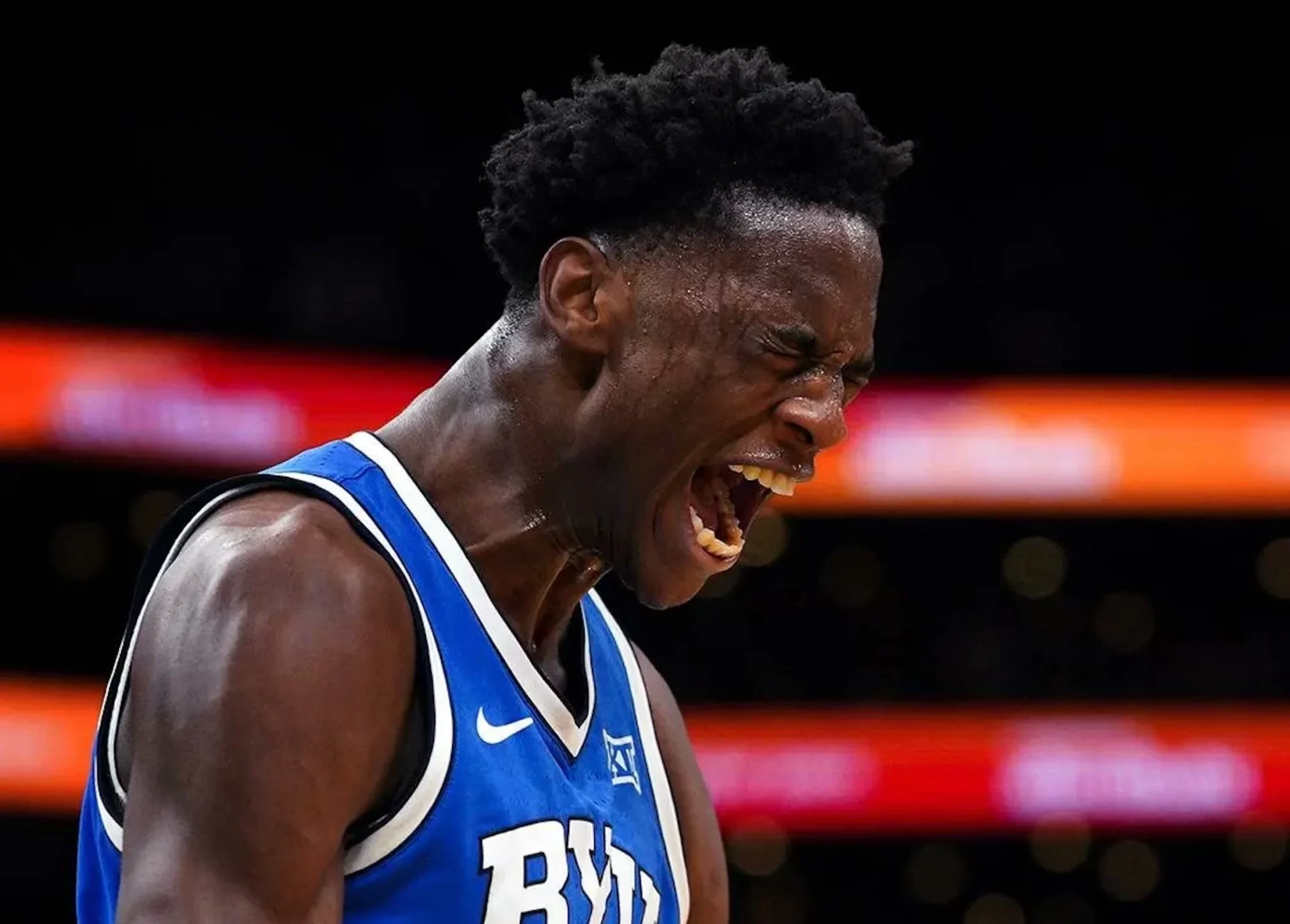
AJ Dybantsa, Cameron Boozer, and a handful of shrewd front offices headlined the 2026 NBA Draft’s biggest winners, as the Washington Wizards, Memphis Grizzlies and Chicago Bulls walked away from a deep first round with franchise‑shaping talent and clean fits, while smart trade maneuvering from the Knicks and Suns added extra upside on the margins. In a class scouts have called one of the strongest in years, the teams that paired elite prospects with coherent roster plans, rather than reaching for need or saving money, came out of Tuesday night in Brooklyn best positioned to turn draft-night optimism into wins.
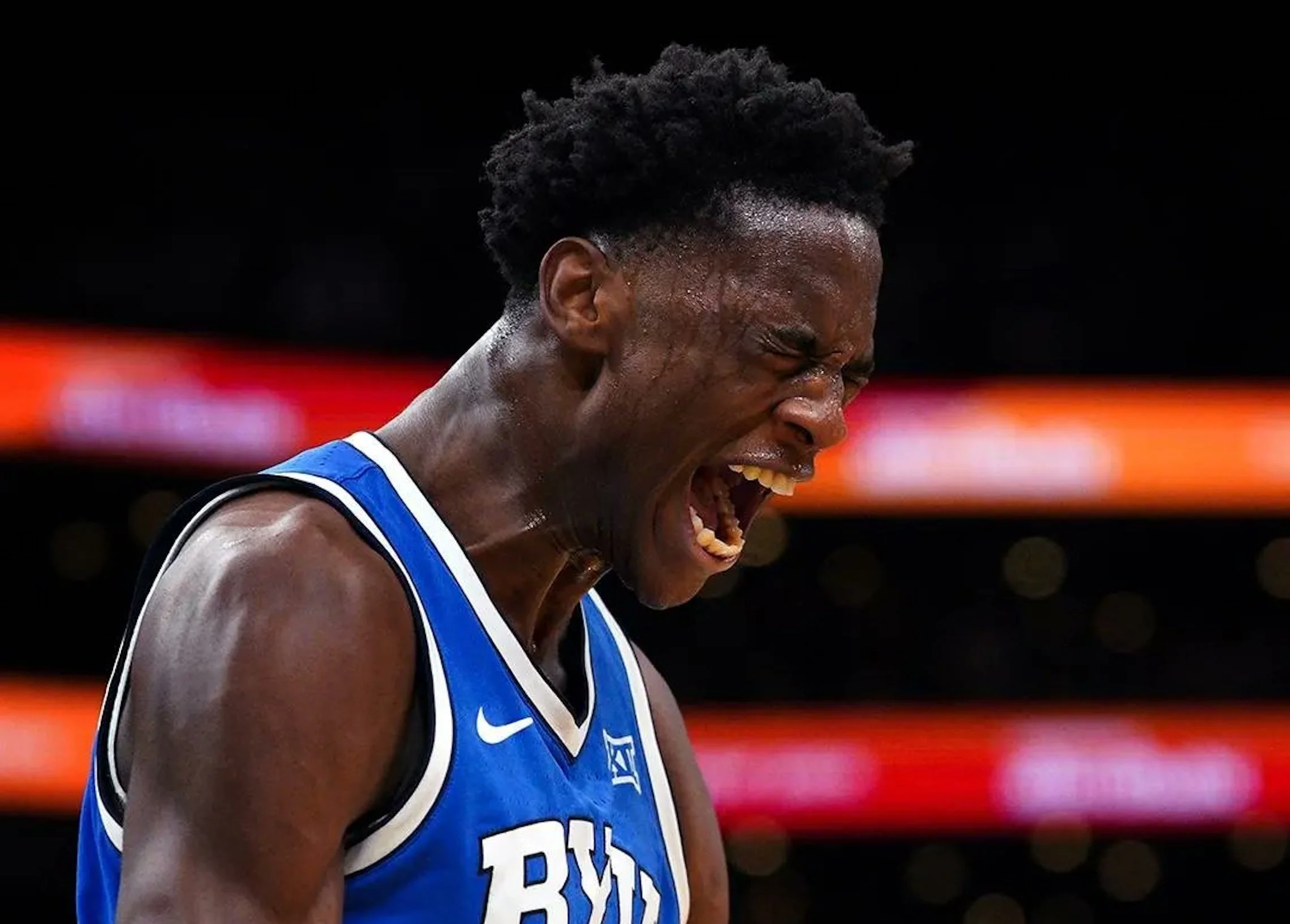
Washington Wizards: the obvious win still counts
The simplest victory often matters most. Washington entered Tuesday with the No. 1 pick and, amid some late speculation about moving down, did what virtually every big board suggested: selected BYU forward AJ Dybantsa.
ESPN and Yahoo Sports both note that Dybantsa has long been viewed as the top prospect in this class, a 6‑9 wing with three‑level scoring, defensive tools and star equity that fit any roster. Yahoo gave the Wizards an A+ grade, arguing that “you don’t overthink a franchise‑changer,” while The Athletic praised Washington for not trying to get “cute” by trading back in a flat but deep lottery.
In basketball terms, Dybantsa gives the Wizards a centerpiece to build around as they continue a reboot. With a lanky, switch‑friendly frame and advanced scoring off the dribble, he projects as the kind of offensive hub Washington has lacked since Bradley Beal’s prime. The team also added front‑court depth later in the night, strengthening the case that this draft could be remembered as the moment the Wizards’ post‑Beal era truly began.
Memphis Grizzlies: Cameron Boozer and a retooled frontcourt
If Washington had the easiest decision, Memphis may have executed the best plan. Picking third, the Grizzlies took Duke forward Cameron Boozer, son of former All‑Star Carlos Boozer, in a move that analysts widely applauded.
The Athletic’s draft team labeled Memphis a “clear winner,” arguing that Boozer’s combination of size, feel and shooting makes him an ideal frontcourt partner for Jaren Jackson Jr. and a perfect fit alongside Ja Morant once the point guard is fully reintegrated. CBS Sports echoed that view, highlighting Boozer’s defensive versatility and his potential to stretch the floor as a pick‑and‑pop big who can also create off the bounce.
With Boozer, Memphis has arguably reset its contention window. A core of Morant, Desmond Bane, Jackson, and Boozer gives the franchise multiple pathways: they can lean into small‑ball lineups that switch everything or play bigger while maintaining spacing. In a Western Conference loaded with elite wings and bigs, that flexibility is an asset, and it’s why most outlets slotted the Grizzlies near the top of their winners lists.
Chicago Bulls: Caleb Wilson and a needed direction
The Bulls have spent years in the NBA’s middle: too good to bottom out, not good enough to contend. On Tuesday, they finally leaned into upside. At No. 4, Chicago selected North Carolina forward Caleb Wilson, a long, switchable 6‑9 scorer who fits the modern wing prototype and offers a clearer identity for a roster in transition.
ESPN’s round‑one breakdown describes Wilson as “one of the draft’s most versatile forwards,” highlighting his ability to defend multiple positions, push in transition and create advantages without monopolizing the ball. The Athletic gave Chicago high marks for trusting its board rather than reaching for a guard, noting that Wilson “gives the Bulls a path toward a more coherent, defense‑first core” around whichever veterans remain after expected trades.
Later in the first round, the Bulls doubled down by taking Texas forward AJ Johnson at No. 15, adding more athleticism and length to a frontcourt that had grown stale. For a franchise that has often played it safe on draft night, this was a welcome swing, and one that could look even better if Chicago follows it with a full retool.
Utah Jazz: a lead guard with star potential
At No. 2, Utah selected Kansas guard Darryn Peterson, earning solid reviews across most boards. Peterson offers the Jazz the kind of on‑ball creator they’ve lacked since Donovan Mitchell, with ESPN calling him a “three‑level scorer and pick‑and‑roll operator” who can grow with the team’s young core.
Yahoo Sports and The Ringer both put Utah in their “winners” tier, noting the symmetry between Peterson’s timeline and that of Keyonte George, Walker Kessler and the rest of the Jazz’s prospect group. If Peterson develops into even a top‑15 guard, Utah’s rebuild, which already includes a war chest of future picks, will look even more promising.
Smart operators: Knicks, Suns and Nets
Beyond the top of the board, several teams earned “winner” status less for a single pick than for how they navigated the board.
- New York Knicks. The Knicks were central to one of the night’s biggest multi‑team trades, involving the Lakers, Mavericks, and Suns. NBA.com reports that New York advanced its pick position and added future draft capital, maintaining flexibility while still picking in the middle of a deep first round. The Athletic praised the front office for “finding value on the margins” and not overreacting to a disappointing playoff exit.
- Phoenix Suns. With limited future draft assets and a top‑heavy cap sheet, Phoenix needed cost‑controlled depth, and seems to have found it. CBS Sports and The Ringer both cited the Suns as winners for adding a versatile Arizona forward late in the first round and using trades to acquire additional second‑round darts, giving them young contributors to flank their veteran core.
- Brooklyn Nets. Picking twice in the first round, the Nets took Louisville guard Mikel Brown Jr. at No. 6 and Iowa State forward Joshua Jefferson at No. 28. ESPN and Yahoo both applauded the balance of on‑ball creation and defense those picks bring, especially for a team that may be headed into a soft reset. If Brown hits even a solid starter level, Brooklyn’s draft will look like a turning point.
Individual winners: Dybantsa, Boozer, and the fans
Most “winners and losers” columns agreed on one thing: this was a good night for the most hyped prospects.
The Athletic writes that Dybantsa, Peterson and Boozer all “landed in situations that make sense,” pairing talent with opportunity and competent organizations. The Ringer argues that “consensus won”, meaning teams largely followed the industry’s top‑tier rankings, with relatively few shocking reaches at the top. That’s good news for players, who will be asked to do a lot but not everything, and for fans, who saw their teams avoid the kind of chaotic decisions that can set a franchise back years.
Some outlets, including CBS Sports, did question the Dallas Mavericks’ choice at No. 9, where they took Michigan big Morez Johnson Jr. just days after hiring his former college coach, Dusty May. CBS slotted the Mavs among its draft “losers,” suggesting the move felt more like a favor to a coach than a clean roster fit alongside Luka Dončić. That, in turn, made the teams around Dallas, including Milwaukee at No. 10 and Toronto at No. 19, look better by comparison for sticking to their boards.
A deep class that rewarded patience
One theme cut across most analysis: this was not a top‑heavy draft with one or two saviors. It was a deep, relatively flat first round where the difference between picks 5 and 20 was narrower than usual. That dynamic rewarded teams that had done their scouting and were willing to let the board come to them.
ESPN’s insiders described it as “one of the deepest first rounds in years,” with rotation‑level players still available deep into the 20s. The Athletic’s grades noted that several late‑first‑round picks, including Boston’s Chris Cenac Jr. at No. 27 and Sacramento’s Alex Karaban‑via‑trade at 29, could easily have gone 10 spots higher in a typical year. Bleacher Report’s updated big board likewise highlighted the number of second‑round prospects with first‑round talent, underscoring how much value remains as teams head into Round 2.
In that context, the night’s biggest winners weren’t just the franchises that grabbed future All‑Stars at the top. They were the organizations that married patience, preparation, and a clear sense of direction, from Washington betting big on Dybantsa, to Memphis retooling around Boozer, to Chicago finally picking a lane with Caleb Wilson.