Google is seeking U.S. government approval for a plan to release up to 32 million laboratory‑raised mosquitoes in California and Florida, in a bid to suppress wild populations that spread viruses such as West Nile and St. Louis encephalitis. The proposal, now under review by the Environmental Protection Agency (EPA), would expand a decade‑old “Debug” program run by a Google‑backed company that uses bacterially infected male mosquitoes to crash local mosquito populations, and is already prompting a fresh debate over how far big tech should go in re‑engineering the environment in the name of public health.
What Google is proposing
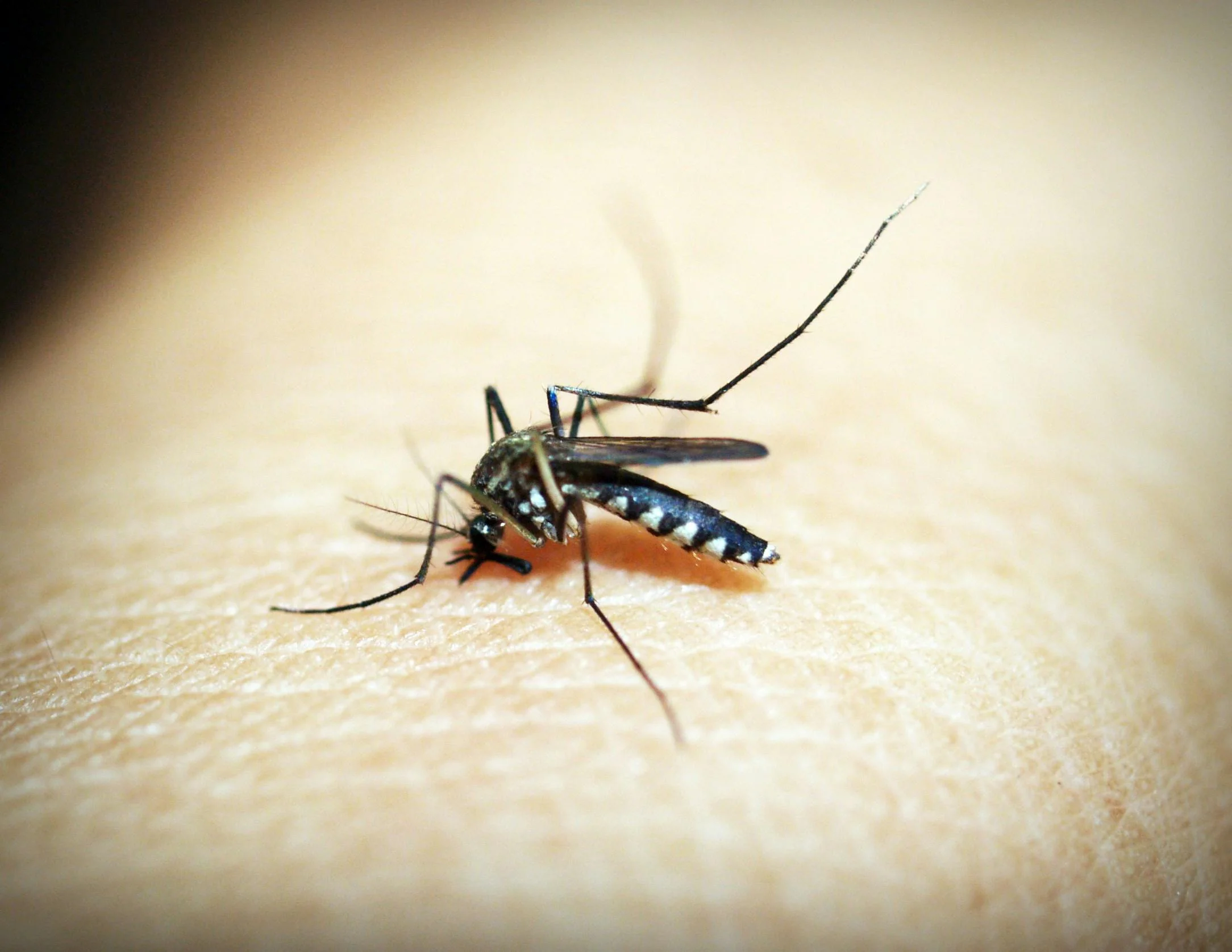
Local TV reports and CTV News say Google, through its life‑sciences affiliate Verily and its Debug initiative, has filed an application with the EPA to release up to 32 million mosquitoes over two years in parts of California and Florida. A segment on Fox‑affiliated station FOX59, widely shared on social media, describes them as “good mosquitoes,” bred in the lab and carrying a bacterial infection designed to make them effectively sterile.
The EPA application covers trial releases of lab‑reared male Culex mosquitoes, a genus known for transmitting West Nile virus and St. Louis encephalitis, rather than the Aedes aegypti mosquitoes that global programs have targeted to fight dengue or Zika. According to a Tampa‑area newscast, Google is asking to release the insects “in Florida and California over the next two years,” without yet specifying exact neighborhoods or dates; those would be decided in coordination with local vector‑control agencies if the EPA gives a green light.
EPA officials have opened a public comment period through June 5 as part of their review, giving residents, scientists, and advocacy groups a chance to weigh in on potential health and environmental risks.
How the ‘good mosquitoes’ work
The mosquitoes at the heart of Google’s Debug project are not gene‑edited in the CRISPR sense, but bioengineered through infection with Wolbachia, a naturally occurring bacterium that lives in many insect species.
As explained in Google‑backed outreach and local TV coverage:
- Verily raises male mosquitoes in the lab and infects them with Wolbachia.
- When these males mate with wild females that don’t carry the bacteria, their eggs fail to hatch, causing a drop in the next generation’s numbers.
- Because only female mosquitoes bite, and Debug releases only males, the total number of biting mosquitoes should go down, not up, as the program scales.
Researchers say the approach has already been tested at smaller scale in places like California’s Central Valley, where Debug partnered with local districts to target Aedes aegypti, and internationally in Southeast Asia and Latin America with similar Wolbachia‑based programs.
Scientists interviewed by the Florida station emphasize that Wolbachia is not harmful to humans and occurs in many insect populations naturally; its value lies in blocking virus replication inside mosquitoes and, when used in sterile‑male campaigns, preventing viable eggs.
AI, robotics, and industrial‑scale mosquito breeding
What sets Google’s effort apart from earlier public‑health campaigns is the scale and automation.
The TV explainer notes that the company plans to use artificial intelligence and robotic systems to breed and sort mosquitoes “on a scale large enough to make the strategy effective,” an essential step when releases are counted in the tens of millions.
Verily’s Debug operations already rely on:
- Computer‑vision systems to sex mosquitoes, ensuring only males are released.
- Robotic sorters that can process hundreds of thousands of insects per day.
- Data models to predict where releases will most effectively crash local populations and how often they must be repeated.
By integrating AI into the pipeline, Debug aims to reduce costs and human error, making it financially viable for health departments to adopt mosquito‑suppression as a routine tool rather than a one‑off experiment.
The public‑health case: fighting the world’s deadliest animal
Mosquitoes remain, by some estimates, the deadliest animal on the planet, responsible for hundreds of thousands of deaths annually worldwide through malaria, dengue, West Nile, and other diseases. In the United States, West Nile virus is the leading cause of mosquito‑borne disease, with thousands of cases and dozens of deaths reported in bad seasons.
By targeting Culex species in Florida and California, Google’s proposal aims to cut the risk of West Nile and St. Louis encephalitis, diseases that can cause severe neurological complications. Debug and allied scientists argue that suppressing these mosquito populations could:
- Reduce the frequency and intensity of outbreaks.
- Lower the need for chemical insecticides, which can harm other species and lead to resistance in mosquitoes.
- Provide a scalable, precise tool that affects only the target species.
Supporters frame the initiative as an example of tech‑enabled precision public health, using data, robotics, and biological tools to tackle a long‑standing problem more surgically than blanket spraying.
Fears, questions, and regulatory scrutiny
Still, the idea of a tech giant releasing millions of lab‑manipulated insects into the open environment is unsettling to many.
Commenters on Reddit and local news pages have raised concerns about:
- Unintended ecological effects, such as impacts on predators that rely on mosquito larvae as a food source or on other species through Wolbachia spillover.
- The possibility that mosquitoes or viruses might evolve around Wolbachia‑based control, diminishing its effectiveness or creating new risks.
- The precedent of allowing a private tech company, rather than a public health agency, to drive biological interventions at landscape scale.
CTV News notes that the EPA is evaluating the proposal under its biopesticide framework, which requires data on toxicity, environmental persistence, non‑target impacts, and the potential for horizontal transfer of Wolbachia. The agency has previously approved other Wolbachia‑based mosquito control products, but those mainly targeted Aedes species; this would be one of the largest Culex programs in North America.
The EPA’s public‑comment docket will likely attract submissions from environmental groups, local governments, scientists, and residents; regulators must weigh the promised health benefits against uncertainties in long‑term ecological outcomes.
Google’s broader health and environment ambitions
The Debug project is one strand in Google’s broader push into technology‑driven health and climate solutions, from AI‑assisted medical diagnostics to wildfire forecasting tools and air‑quality monitoring.
By backing a mosquito‑control startup and putting its brand behind an EPA application, Google is signaling that it sees vector‑borne disease as an area where tech expertise, in robotics, AI, and data, can complement traditional epidemiology. The company has pitched Debug as a way to help cities adapt to climate‑driven changes in mosquito ranges, as warmer temperatures expand habitats for Culex and Aedes species into new regions.
Critics, however, worry about mission creep and accountability. If something goes wrong, if a release produces unexpected ecological ripple effects, or if communities feel they were not properly consulted, it is unclear how responsibility would be shared among Google, local health departments and federal regulators.
What happens next
For now, no mosquitoes are set to be released until the EPA completes its review and responds to public feedback. The agency’s decision could come later this year; if it approves the application, it would likely impose conditions on where, when and how many mosquitoes can be released, and require ongoing monitoring and reporting.
If the project proceeds, Google’s Debug team says it will coordinate with local officials to inform residents about release schedules and scientific safeguards, and to share data on mosquito counts and disease indicators over time.
For communities in Florida and California, the prospect of millions of “good mosquitoes” in the air may be a hard sell, even if the science says they don’t bite. But as climate change and urbanization intensify the threat of mosquito‑borne disease, the question regulators, and the public now face is not just whether to approve this one proposal, but how comfortable society is with using corporate bio‑engineering as a tool of public health.