Oil’s latest surge above 110 dollars a barrel has revived fears of a fresh energy shock that could slow global growth, re‑ignite inflation, and test central banks already low on policy ammunition. With war in Iran disrupting flows from the Middle East and volatility whipsawing markets, policymakers are weighing how long the pain might last, and how hard it will hit households and businesses from Detroit to Delhi.
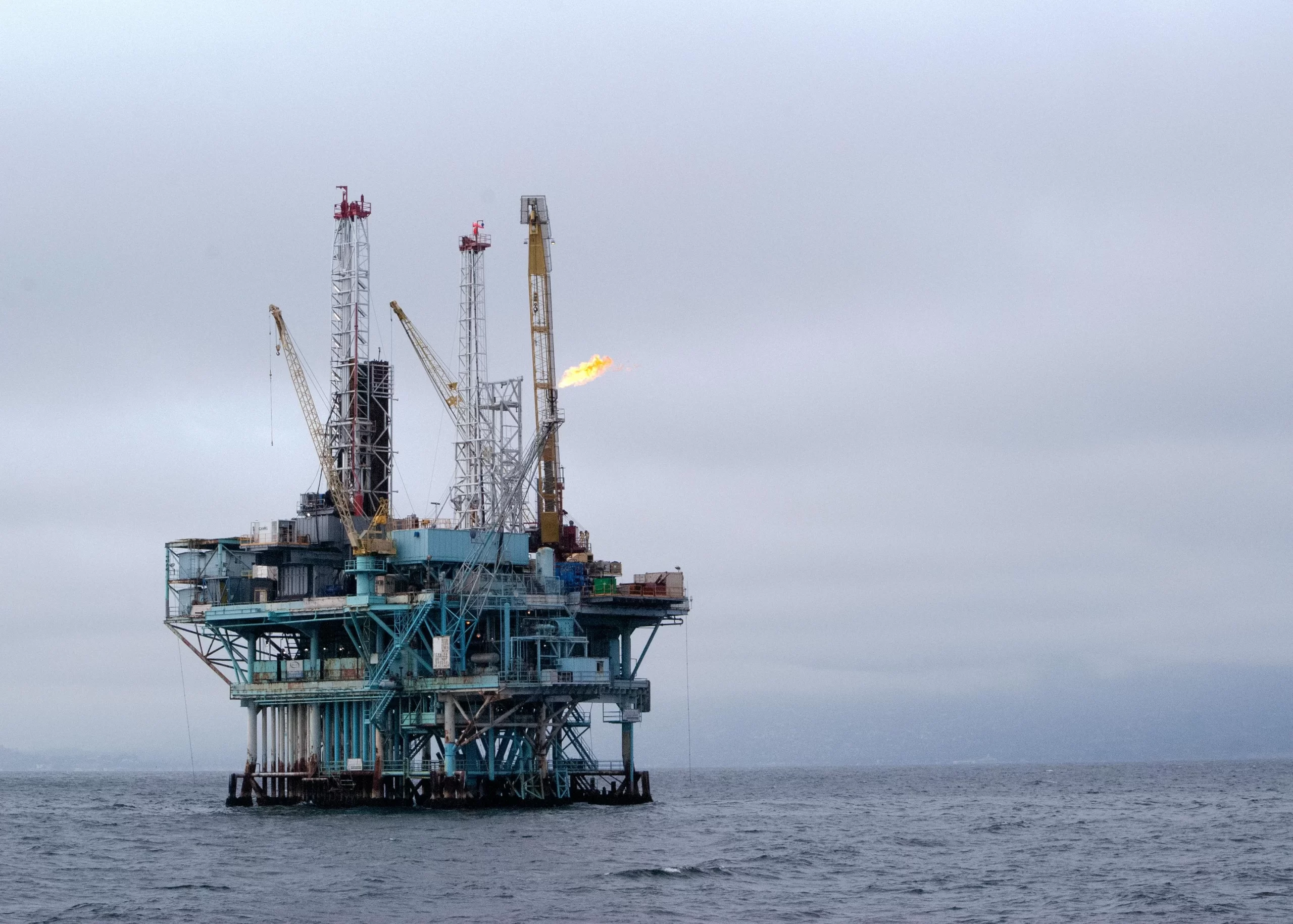
A new oil shock built on war and bottlenecks
The latest climb above 110 dollars is rooted in hard supply constraints as well as fear.
- Brent crude, the global benchmark, has been trading in a band between about 110 and 120 dollars in recent sessions, while US WTI has hovered between 105 and 115 dollars.
- In some trades, Brent briefly jumped toward 119–120 dollars before easing back after talk of government intervention, the highest levels since the post‑pandemic spikes of 2022.
The immediate trigger is the war involving Iran, which has disrupted output and shipping in the Persian Gulf:
- The near‑shutdown of traffic through the Strait of Hormuz, a chokepoint for roughly a fifth of global seaborne oil, has forced cuts to exports from producers such as Iraq and Kuwait.
- Attacks and military action around production and pipeline infrastructure have compounded the shock, pushing both spot and futures prices sharply higher.
Prices had been stable for months; now, crude has logged some of its largest single‑day dollar gains on record, with jumps of around 12 dollars a barrel rivalling the biggest moves seen in 2008.
Inflation: a hard‑won victory at risk
For central banks, the timing could scarcely be worse.
Many had begun cutting or signaling rate reductions after headline inflation fell back toward targets. A renewed oil shock threatens to undo part of that progress:
- The IMF estimates that a 10 percent increase in energy prices sustained for a year raises global inflation by about 0.4 percentage points and trims growth by 0.1–0.2 percentage points.
- With Brent up by roughly a third from pre‑war levels, the implied impact could be significantly larger if prices remain elevated.
IMF Managing Director Kristalina Georgieva has warned that the energy shock from the Iran conflict could “flip the script” on what looked like a resilient global expansion, cautioning that “we cannot take the victory against inflation as given.”
In practical terms:
- Gasoline and diesel prices rise quickly at the pump, feeding into transport and food costs.
- Higher energy bills show up in headline consumer‑price indices within months, forcing central banks either to accept a new inflation bump or to keep policy tighter for longer.
Either choice carries risks: tolerate more inflation, or risk over‑tightening into a slowdown.
Growth and stagflation fears
If triple‑digit oil proves persistent, economists worry about a return to stagflation‑like conditions, slower growth combined with stubborn inflation.
Channels include:
- Household spending: Higher fuel and heating costs act like a tax, cutting into budgets for other goods and services.
- Business margins: Energy‑intensive sectors, transport, airlines, manufacturing, chemicals, face rising input costs, which may be only partially passed on to consumers.
- Investment decisions: Uncertainty over energy prices can delay capital spending, particularly in emerging markets that rely heavily on imported fuel.
The IMF’s baseline before the Iran war put global growth at about 3.3 percent for 2026. That projection is now under review, with Fund officials signaling that the April World Economic Outlook will factor in the shock and could show weaker momentum.
Who gets hit hardest?
The impact of 110‑plus oil is highly uneven.
Energy‑importing economies in Asia and Europe are among the most exposed.
- NPR notes that stock markets across Asia have already slumped as crude jumped, with indices in export‑dependent economies sliding on fears of higher input costs.
- Economists interviewed by CNA describe the outlook for Asia as “quite worrying,” pointing to both price volatility and the risk of a prolonged supply disruption through Hormuz.
Low‑income, oil‑importing countries face pressure on trade balances and budgets.
- Higher import bills widen current‑account deficits and can weaken currencies, making dollar‑denominated energy even more expensive.
The US and other producers are somewhat cushioned.
- The United States, now a large oil and gas producer, sees some offsetting benefit via higher revenues for energy firms, though US consumers still feel pain at the pump.
For households everywhere, the biggest immediate hit often comes via fuel, food and transport, the essentials that are hardest to cut.
Markets on edge: from equities to bonds
The oil spike has already roiled financial markets.
- World equity indices have tumbled as investors price in slower growth and higher input costs.
- Airline and logistics stocks in particular have sold off sharply on the prospect of sustained fuel surcharges and weaker demand.
- Government bond yields have moved in conflicting ways: short‑dated yields reflecting expectations of higher policy rates, longer‑dated yields reflecting fears of weaker growth.
For emerging markets, the combination of higher oil and tighter global financial conditions can be especially toxic, raising borrowing costs just as budget pressures mount.
Policy options, and limits
Governments are not powerless, but their toolkit is constrained.
Possible responses include:
Strategic reserve releases
Coordinated draws from strategic petroleum reserves, as discussed by Western governments, can help smooth temporary supply disruptions and signal that authorities will not let panic fully dictate prices.
Targeted subsidies or tax relief
Some countries may choose to temporarily cut fuel taxes or subsidize energy for vulnerable households and key industries. This can cushion the shock but strains public finances.
Diplomatic efforts
Efforts to de‑escalate the Iran conflict and secure protected shipping lanes through the Gulf are the most direct route to easing the squeeze, but they are also the hardest to deliver.
Monetary policy is trickier. Central banks can:
- Hold rates higher for longer to avoid an inflation re‑acceleration, at the cost of weaker demand.
- Or, if growth deteriorates sharply, they may look through some of the energy‑driven price spike and prioritize supporting activity.
IMF officials note that governments and central banks enter this episode with “much less room to cushion fresh shocks” than during the pandemic, after years of elevated debt and already‑tight policy.
How long could the pain last?
Much depends on the trajectory of the conflict and the physical state of energy infrastructure.
- If the war is contained and shipping lanes reopen, some of the war premium in prices could unwind, taking Brent back below 100 dollars.
- If damage to production and transport proves lasting, or if fighting spreads, analysts warn crude could climb even higher, with some scenarios pointing to 150 dollars a barrel in a worst‑case supply crunch.
Volatility itself is already a problem. Rapid swings between 100 and 120 dollars complicate hedging decisions for airlines, truckers and manufacturers, making it harder to plan prices or budgets.
For now, the message from institutions like the IMF is clear: the world economy has been “remarkably resilient” through successive shocks, but this latest test, an energy price surge layered on top of lingering inflation, could determine whether that resilience holds.