
The Federal Reserve has lowered interest rates again, bringing its benchmark policy rate down to between 3.5% and 3.75%. This is meant to help the job market, which is getting weaker, without causing inflation to rise again. The decision in December was the third in a row to cut rates and the sixth since late 2024. This brought borrowing costs down to their lowest level since 2022 and set the tone for how money will be priced across the U.S. economy in 2026.
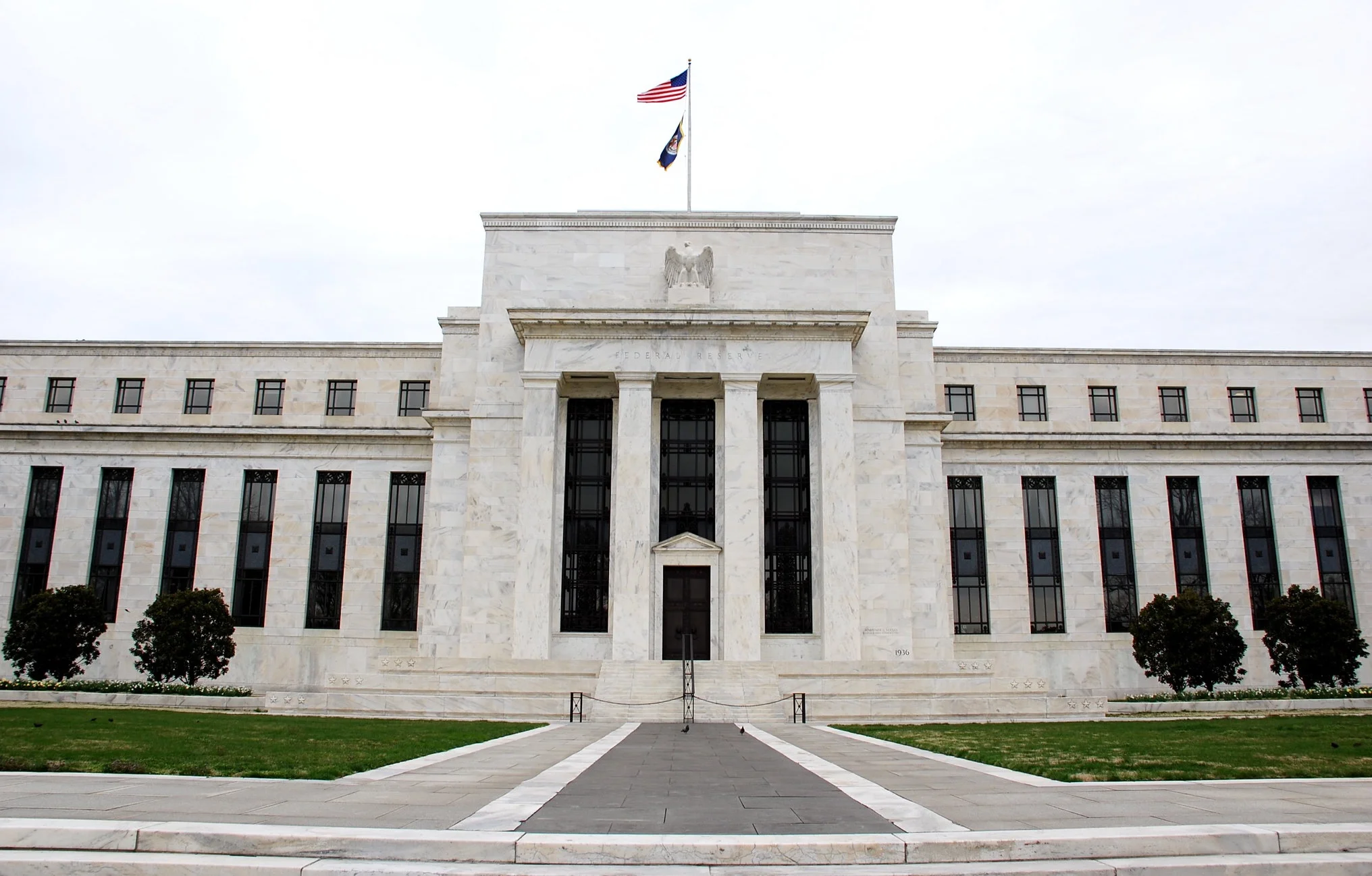
What the Fed Just Did
At its December meeting, the Federal Open Market Committee voted to trim the federal funds rate by another quarter percentage point, shifting it from 3.75%–4.0% down to 3.5%–3.75%. Officials framed the move as a response to softening labor data and an economy that is “losing momentum,” even as inflation has moved up modestly from its lows and remains above the 2% target on some measures.
The cut was widely expected, but the messaging was not. Analysts describe it as a “hawkish cut”: the Fed eased policy to support jobs but paired the move with language suggesting it is not eager to keep cutting, projecting only one further reduction in 2026 and highlighting ongoing inflation risks.
The vote also exposed deep internal divisions. Three policymakers dissented, with some arguing for a larger, 0.5‑point cut and others wanting to hold rates steady, a rare split where both “hawks” and “doves” object in opposite directions.
Why the Fed Is Cutting Now
The Fed’s mandate is to keep inflation low and employment high, and recent data have shifted its focus more toward the jobs side of that equation. Payroll growth has slowed, job openings have declined, and unemployment has ticked up, prompting concern that leaving borrowing costs too high for too long could tip the economy into a sharper downturn.
At the same time, inflation is no longer the four‑alarm fire it was in 2022. The Fed’s preferred gauge has come down significantly from its peak, and officials say they have “greater confidence” that price growth is moving sustainably toward 2%, even if some recent readings have firmed. That combination, cooling jobs and moderating inflation, has given policymakers room to move away from the most restrictive settings.
Still, top economists warn there is a fine line. Some argue that if the Fed keeps cutting aggressively from here, it may be signaling not just comfort with lower rates but alarm about underlying economic weakness.
How the Rate Cut Hits Your Wallet
For households, the federal funds rate is the anchor that banks use to price a range of borrowing and savings products. The latest cut will not change your finances overnight, but it nudges the entire structure of rates a bit lower.
Key channels include:
- Credit cards and personal loans: These typically track short‑term benchmarks and the prime rate, so interest on variable‑rate cards and some personal loans should drift down modestly over coming billing cycles. That can ease, but not erase, the burden of existing balances, which remain far more expensive than before the Fed’s hiking campaign.
- Auto loans: Lenders may shave rates on new car loans as their own funding costs fall, but tight credit standards and elevated vehicle prices mean buyers should not expect dramatic bargains.
- Mortgages: Thirty‑year fixed mortgage rates are influenced more by bond‑market expectations for future inflation and Fed policy than by a single move, but sustained cuts tend to lower yields on longer‑term Treasuries, which can gradually bring mortgage rates down and support refinancing and home‑buying.
On the flip side, savers will feel the pinch as high‑yield savings accounts, money‑market funds and CDs begin to offer slightly lower returns. After two years in which cash finally paid meaningful interest, those easy gains are now slowly eroding.
Markets and Corporate America
On Wall Street, lower policy rates are generally welcomed as fuel for risk assets. Cheaper borrowing reduces debt service costs for highly leveraged firms, encourages new investment and buybacks, and often pushes investors out of cash and short‑term bonds into stocks and corporate credit.
The reaction this time is more nuanced. Markets had largely priced in the December move, and much of the focus is on the Fed’s guidance: a slower path of future cuts than some investors had hoped, and open acknowledgment that officials are uneasy about inflation re‑accelerating. Strategists say that combination could keep volatility elevated as traders parse each new jobs or inflation release for hints about how far and fast the Fed is willing to go.
For Corporate America, a lower funds rate over time should:
- Make it cheaper to roll over existing debt and finance capex.
- Support hiring and wage growth if business sentiment stabilizes.
- Boost sectors that are rate‑sensitive, such as housing, small‑cap stocks and parts of tech.
But executives are also navigating uncertainty from a divided Fed and a data backdrop complicated by the recent government shutdown, which has delayed some key economic reports.
The Bigger Picture: Relief, With Risks
Understanding this Fed rate cut means seeing it as part of a longer arc rather than a one‑off event. Since September 2024, officials have lowered their key rate by roughly 1.75 percentage points, a deliberate shift from fighting runaway inflation to cushioning a slower, more fragile economy.
The benefits are tangible:
- Households see some relief on variable‑rate debts.
- Businesses face less punishing financing costs.
- The job market gets some insurance against deeper damage.
The risks are equally real. Cut too slowly, and the Fed may allow unemployment to climb unnecessarily. Cut too fast, and it could rekindle price pressures or signal that policy‑makers see a recession looming. The unusually split vote in December underlines how narrow that path has become. For now, the message from the central bank is one of cautious recalibration, not all‑out stimulus, a reminder that the era of ultra‑cheap money is over, even as the cost of borrowing inches down from its post‑pandemic peak.