
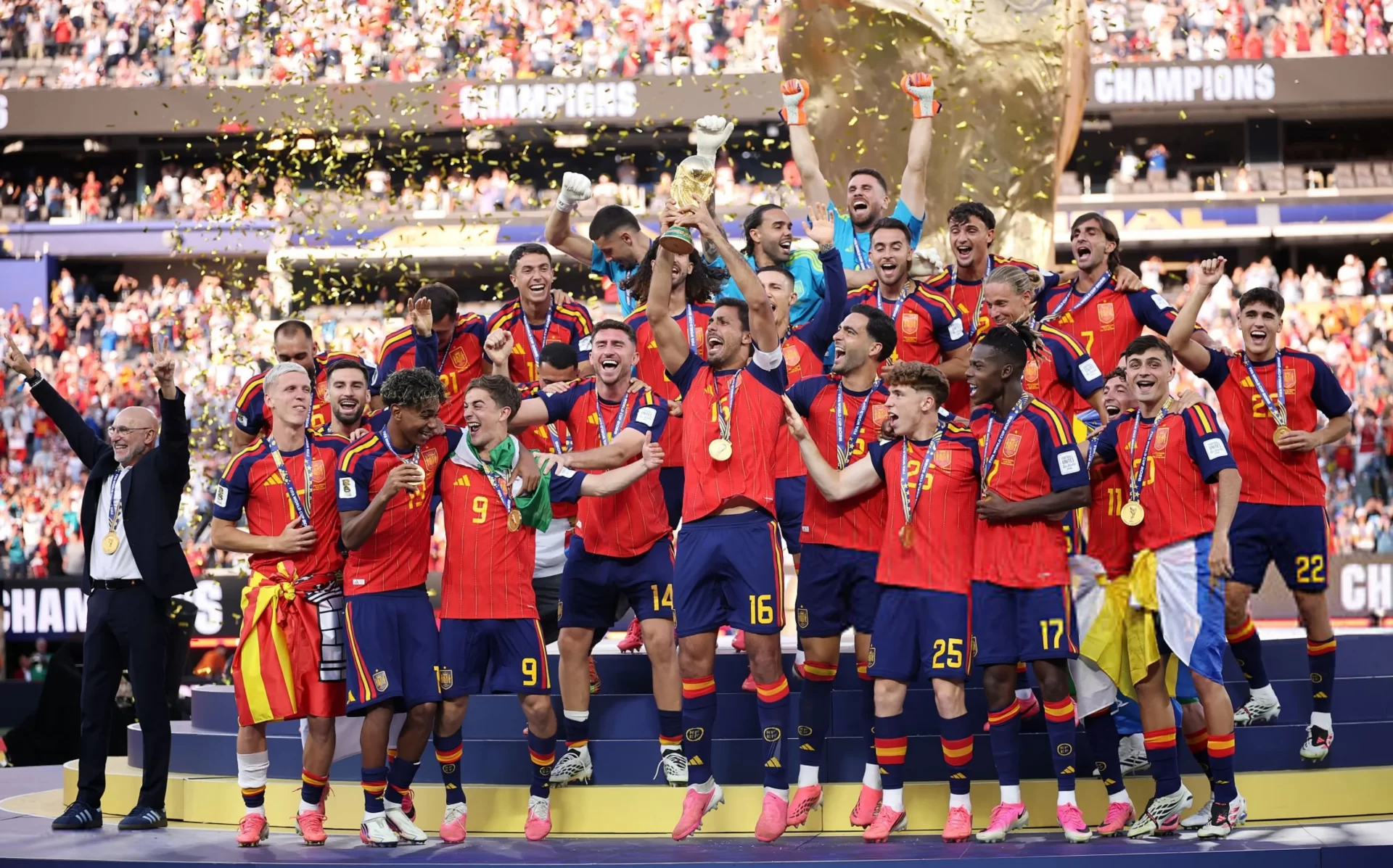
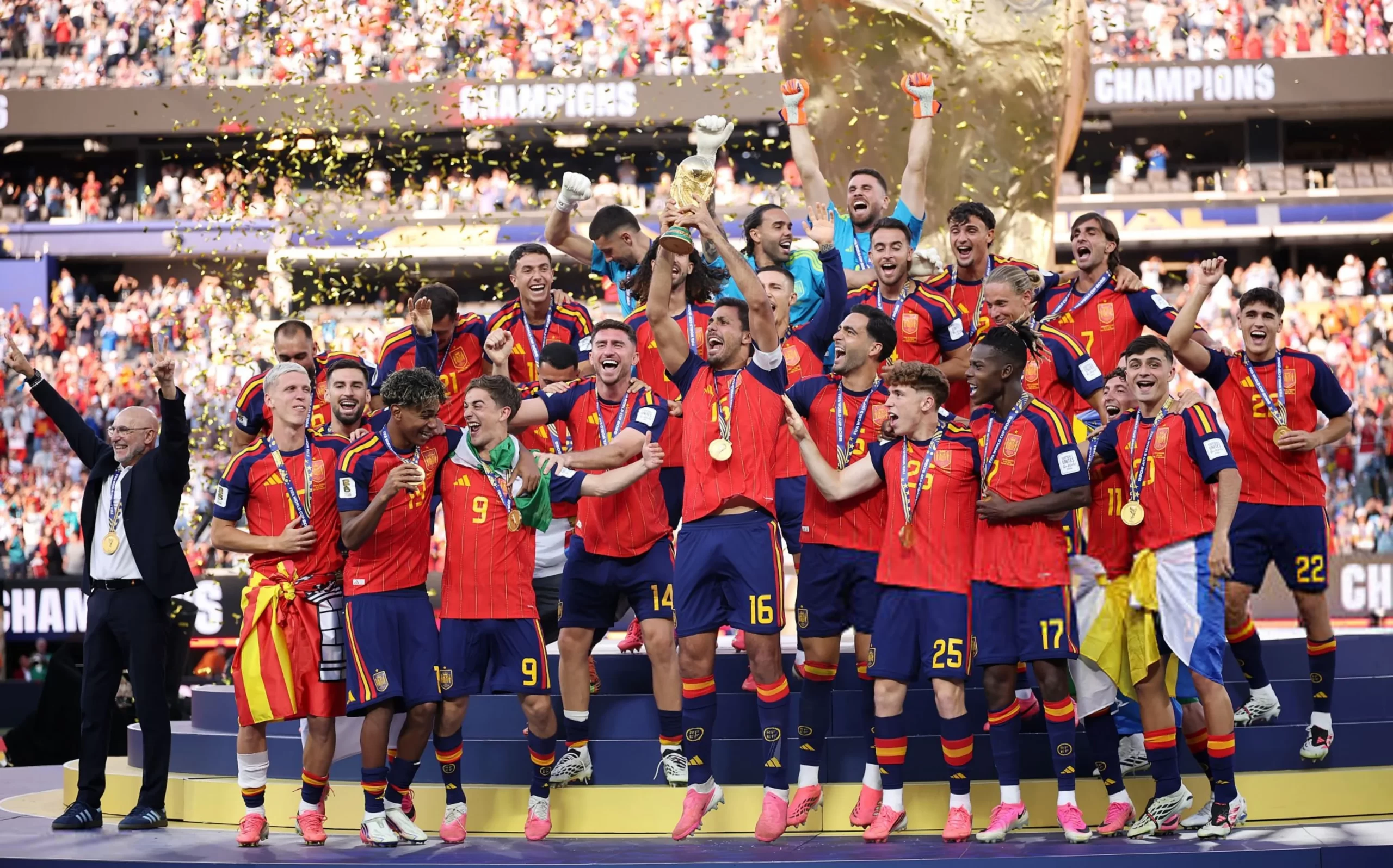
Spain are world champions again after a suffocating, near‑perfect performance in New York New Jersey, beating defending champions Argentina 1–0 in extra time thanks to a 106th‑minute strike from substitute Ferran Torres. Luis de la Fuente’s side conceded just one goal all tournament and did not allow Argentina a single shot in the final, delivering a new kind of dominance that leaves Lionel Messi’s bid for back‑to‑back titles in tears.
The score and basic facts
The 2026 World Cup final ended Spain 1, Argentina 0 after extra time. Ferran Torres scored the only goal in the 106th minute, volleying into the roof of the net after Nico Williams headed down a Pedro Porro cross at the far post.
The match was played at New York New Jersey Stadium (MetLife Stadium) in East Rutherford, New Jersey, FIFA’s designated venue for the World Cup 26™ final, with kick‑off at 7 p.m. local time. It was Spain’s second men’s World Cup title, following their 2010 triumph, and their first secured outside Europe.
Argentina, who beat France on penalties in the 2022 final in Qatar, came into the game seeking to become the first team since Brazil in 1962 to defend the title, but leave with heartbreak instead.
How the final unfolded: highlights
FIFA’s official match report and broadcast highlights show a game almost entirely played on Spain’s terms.
- Early chances: Within five minutes, Dani Olmo slipped Lamine Yamal into space on the right side of Argentina’s box, only for Emiliano Martínez to save low at his near post. Mikel Oyarzabal later drove a shot at Martínez, and Marc Cucurella dragged an effort wide as Spain probed but found few gaps in Argentina’s deep block.
- Spanish pressure: After half‑time, Spain increased the tempo. Yamal created an excellent chance for Torres around the 67th minute, but the forward’s header was straight at Martínez. Pau Cubarsí, Pedri and Williams all forced further saves, and Martínez’s flying stop from a Yamal free‑kick at the very end of normal time kept the game level.
- Argentina’s struggles: Remarkably, Argentina finished the first 90 minutes without a single shot, despite scoring 19 goals on their road to the final. Spain’s control of territory and the ball meant Lionel Messi and Julián Álvarez rarely saw possession in dangerous areas.
- Red card and extra time drama: Argentina’s task became even harder when Enzo Fernández collected a second yellow card for a challenge on Cubarsí three minutes into added time at the end of the second half. Extra time brought more of the same: Martínez kept out a Williams header, Mikel Merino curled wide, and both Williams and Torres had goals disallowed for offside or fouls.
The decisive moment came in the 106th minute. With Spain camped in Argentina’s half, Porro delivered a deep cross, Williams climbed to knock the ball down, and Torres, on as a substitute, crashed a first‑time shot past Martínez into the roof of the net. Argentina, down to 10 men and exhausted, could not respond.
Tactical analysis: Spain’s control vs Argentina’s deep block
From a tactical perspective, the final was defined by Spain’s structure and Argentina’s risk‑averse plan.
FIFA’s report notes that “Spain dominated the game from start to finish,” with La Roja pressing high, circulating the ball patiently and using Yamal as a wide playmaker to pull apart Argentina’s back line. Spain’s double pivot and back line kept Messi and Álvarez from receiving between lines, forcing Argentina into long clearances rather than counter‑attacks.
Argentina opted for a compact, low‑block approach, prioritizing defensive solidity over attacking threat. While that plan succeeded in keeping Spain goalless for 105 minutes and leaned on Martínez’s outstanding shot‑stopping, it came at a cost: zero shots and almost no territorial pressure.
The red card for Fernández crystallized the problem. Already struggling to transition, Argentina lost a central midfielder crucial to their ability to disrupt Spanish build‑up. Once down to 10 men, they were left simply to absorb pressure, and the inevitable breakdown eventually arrived.
Spain, by contrast, showed patience and depth. De la Fuente rotated his attacking options, bringing on fresh runners like Williams and Torres and using Pedri to sustain attacks. The result was a kind of territorial siege, cumulative crosses, shots, and set‑pieces, that finally broke through.
Individual performances: Torres, Yamal and Martínez
Several players left indelible marks on the final.
Ferran Torres
Torres’ winner will define the match. Coming off the bench, he initially missed a big chance with a close‑range header but kept finding space between Argentina’s defenders. His 106th‑minute finish, taken first‑time, high and hard, was ruthless, leaving Martínez no chance and echoing Spain’s extra‑time winner in 2010.
Lamine Yamal
At just 18, Yamal was a constant threat on the right flank. Early chances, creative crosses and a late, curling free‑kick showcased his range, and he repeatedly forced Martínez into acrobatic saves. FIFA’s highlights package includes “Every Lamine Yamal touch” in the final, underlining his influence.
Emiliano Martínez
Despite defeat, Martínez was exceptional. FIFA’s report credits him with 12 saves, including point‑blank stops from Oyarzabal, Cubarsí and Williams, plus the spectacular clawed save from Yamal’s free‑kick that pushed the game into extra time. His performance kept a lopsided xG profile from turning into an earlier rout.
For Argentina, Messi had occasional touches but few decisive involvements, reflecting Spain’s success in denying him space. The final may not change his legacy, already secured with three World Cups reached and one title won, but it closes the chapter on his World Cup career in frustration.
Spain’s historic defensive record
Beyond the final itself, Spain’s tournament numbers are remarkable.
FIFA notes that Spain set a record by winning the trophy while conceding just one goal over the entire competition. That defensive record surpasses their 2010 run and underlines how well De la Fuente’s system balanced attacking control with solidity at the back.
Argentina, meanwhile, scored 19 goals en route to New York but were held scoreless in the final and did not manage a single attempt in 90 minutes. The contrast between their free‑scoring path and their shotless last game will be a central talking point in post‑tournament analysis.
Spain’s second title also cements them as a modern powerhouse: two World Cups in 16 years, plus European Championship success in the same era, place this generation alongside the great runs of Germany and Brazil.
Latest news and what comes next
As celebrations continue, attention is already turning to what the result means.
FIFA’s news hub is highlighting Spain’s “back on top of the world” storyline, interviews with De la Fuente and key players, and features on Yamal’s emergence and Torres’ decisive goal. Broadcasters like NBC and Fox are looping extended highlights, trophy‑ceremony coverage, and player reaction.
For Argentina, outlets from India Today to NDTV have focused on “heartbreak for Messi” and the broader question of how the team evolves after a golden era that delivered Copa América and World Cup titles but now ends in defeat. The lack of attacking threat in the final will feed debates over tactics and squad renewal.
In the wider World Cup context, New York’s hosting of the final is being hailed as a logistical success, with fan zones, transit plans and security operations largely holding up under pressure. The tournament’s expanded format and multi‑nation hosting will also be dissected in the months ahead.
For now, the simplest headline captures it best: Spain 1–0 Argentina, Torres the hero, Martínez defiant, and a World Cup 2026 final that showcased control more than chaos.



