
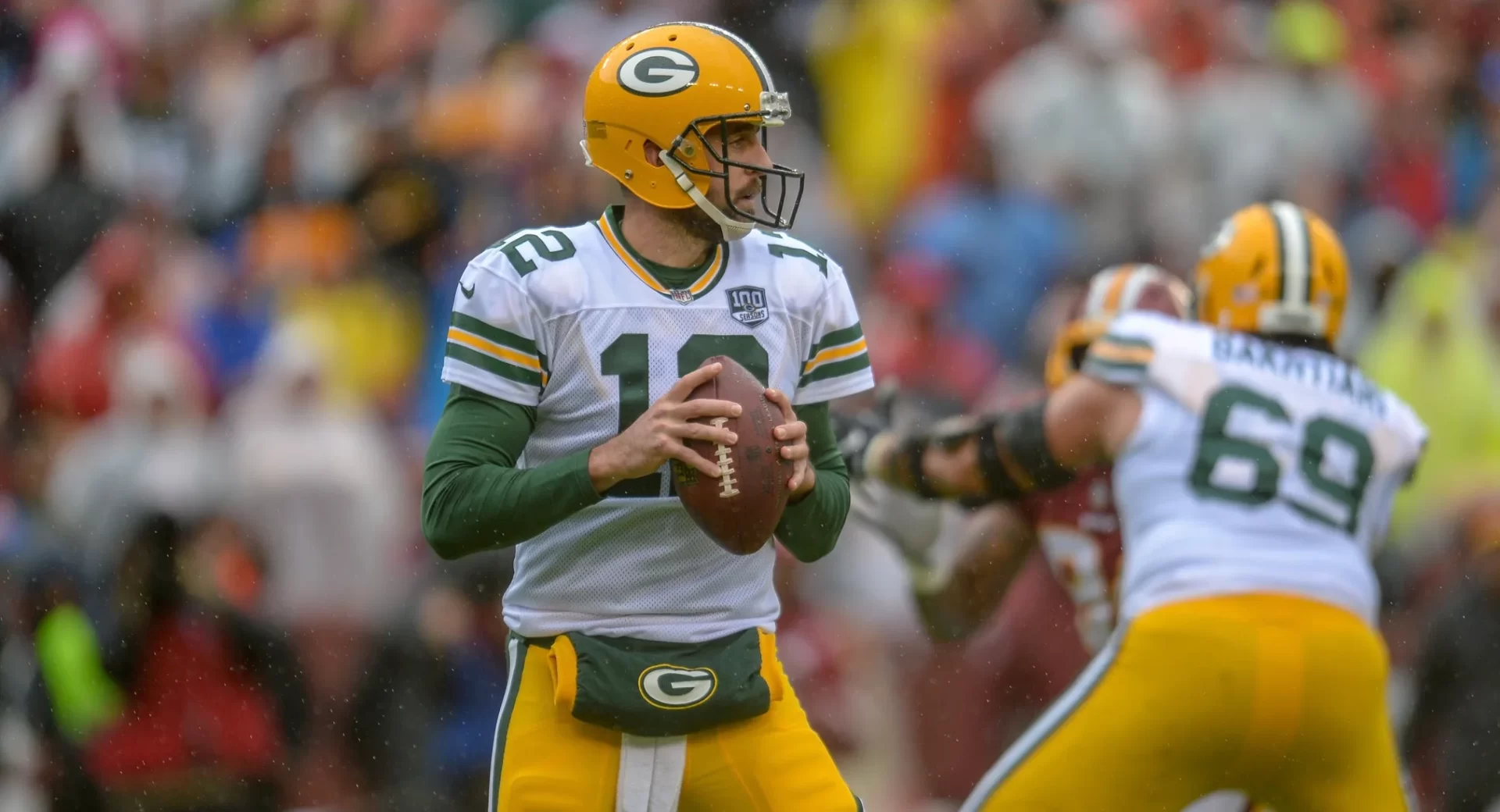
Aaron Rodgers isn’t done yet, and he isn’t done in Pittsburgh. The 42‑year‑old, four‑time NFL MVP has agreed to return to the Pittsburgh Steelers on a one‑year contract worth up to $25 million, ending months of speculation about whether he would retire after his first season in the AFC. The deal, which carries a base salary in the $22–23 million range and several million more available in incentives, keeps the future Hall of Famer in black and gold for what now looks like a genuine “last dance” run under new head coach Mike McCarthy.
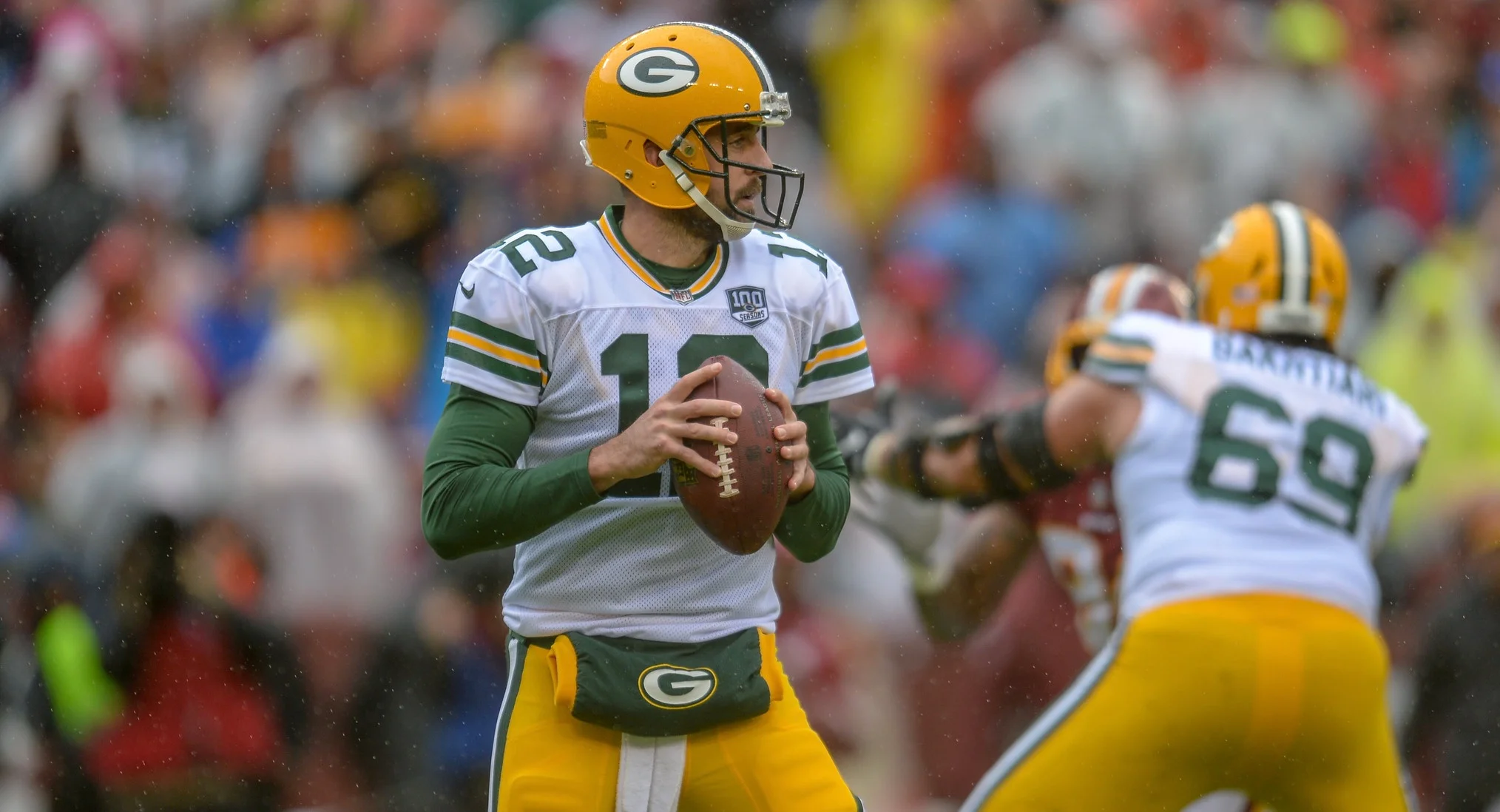
The deal: one more year, a big raise
ESPN reports that Rodgers has signed a one‑year contract with Pittsburgh after what it calls “another prolonged decision‑making process” about his future. Multiple outlets say the agreement is worth up to $25 million, with a base salary between $22 million and $23 million and additional money tied to incentives.
For Rodgers, it is a substantial raise. NBC’s ProFootballTalk notes that his base pay with the Steelers last season was $13.65 million, meaning Pittsburgh has nearly doubled his guarantee while still keeping him well below the league’s top quarterback salaries, which sit near $60 million a year. Yahoo Sports echoes that framing, calling the new deal “a raise to $25M” for 2026 and a “win” for a franchise that gets established elite play at a mid‑tier price.
The agreement also resolves weeks of uncertainty created when the Steelers used a UFA tender on Rodgers, a procedural move that would have given them a compensatory draft pick if he signed elsewhere before training camp, or limited his ability to sign with another team once camp began. Instead, Rodgers traveled to Pittsburgh during rookie minicamp and, over the weekend, agreed to the new contract ahead of the club’s first voluntary offseason training activities.
From “pretty sure this is it” to “one more run”
Rodgers’ return is notable not just for the size of the deal but for the change in tone from the quarterback himself. When he first joined the Steelers on a one‑year deal in June 2025, he told The Pat McAfee Show he was “pretty sure this is it,” framing that season as his likely farewell.
“I’m pretty sure this is it,” Rodgers said then. “That’s why we just did a one‑year deal. Steelers didn’t need to put any extra years on that or anything, so this was really about finishing with a lot of love and fun and peace for the career that I’ve had.”
Instead of a farewell tour, his first year in Pittsburgh produced a solid, if not vintage, campaign and left open the question of whether he would feel satisfied walking away. Yahoo Sports reports that Rodgers completed 65.7% of his passes in 2025, throwing for 3,322 yards, 24 touchdowns and just seven interceptions, numbers that would still place him comfortably in the NFL’s upper half at the position.
ESPN notes that the Steelers and even some within Rodgers’ camp were “not fully convinced” he would return until this weekend, when he signed off on the contract and agreed to be in the building for the start of OTAs. That early commitment marks a shift from last offseason, when he delayed his decision until mandatory minicamp in June.
Pittsburgh’s calculation: a bargain bet on a Hall of Famer
From the Steelers’ perspective, the new deal is a calculated bet that a 42‑year‑old Rodgers is still better than their alternatives and that his presence extends a still‑open Super Bowl window.
NBC’s ProFootballTalk points out that at $22 million base and $25 million max, Pittsburgh is paying “less than half” the top of the quarterback market for a player who, while no longer at his MVP peak, remains one of the most accomplished passers in the league. A CBS Sports segment described the agreement as “a very good deal” for the team, noting that “last year, quarterback Aaron Rodgers gave the Steelers a massive bargain,” and this year remains a bargain in relative terms.
The decision fits a broader trend in Pittsburgh’s roster building. With a strong defense and playmakers on offense, the franchise has opted to double down on veteran quarterback stability rather than pivot to a full rebuild or throw a rookie into a contested AFC North. Rodgers’ presence gives head coach Mike McCarthy, hired this offseason to replace Mike Tomlin after 19 years, a familiar partner under center as he installs his system.
Yahoo notes that McCarthy and Rodgers spent 13 seasons together in Green Bay, winning a Super Bowl and four All‑Pro honors. Reuniting in Pittsburgh, the logic goes, reduces the learning curve: coach and quarterback already know each other’s tendencies, language and expectations.
Rodgers, McCarthy and the “one‑year window”
The Rodgers–McCarthy reunion adds a layer of intrigue to Pittsburgh’s 2026 season. Their relationship in Green Bay was productive but, by the end, reportedly strained; both now insist they are aligned on a final push.
ESPN and Yahoo both highlight that by keeping the deal to a single year, the Steelers preserve flexibility. The contract commits them to one more Rodgers season without tying up cap space deep into his 40s. It also creates a clear narrative internally and externally: 2026 is a defined window for a Hall of Fame quarterback and an established coach to make a run together.
For Rodgers, the structure allows him to reassess again in a year, either retiring on his terms or contemplating yet another short‑term pact. For Pittsburgh, it keeps pressure high without mortgaging the future; behind the scenes, they can continue evaluating and developing succession options.
What it means for the Steelers’ offense
Statistically, Rodgers’ 2025 performance suggests he can still win games, especially in a system tailored to his strengths. His completion rate, touchdown‑to‑interception ratio and yardage all point to a quarterback still capable of precision passing and situational execution, even if his mobility and deep‑ball volume are diminished.
The bigger question is how McCarthy and his staff will balance continuity and evolution. With Rodgers in the building from OTAs onward, Pittsburgh has a full offseason to tweak protections, integrate new skill‑position players and refine timing routes that were sometimes uneven a year ago.
Local coverage from the Pittsburgh Post‑Gazette notes that Rodgers was back in the Pittsburgh area ahead of the deal, spotted getting ice cream with teammates on Friday night, a small but telling sign that he intends to be fully present rather than hovering on the edge of retirement.
If he stays healthy, the Steelers can reasonably expect above‑average quarterback play at a price that allows them to maintain depth elsewhere on the roster. If age or injury intrude, the one‑year structure limits longer‑term damage.
The larger NFL context
Rodgers’ decision also lands in a league where quarterback salaries and movement have been redefining team building. With the top of the market near $60 million per year and fully guaranteed deals creeping upward, securing a credible starter for less than half that figure is increasingly rare.
In that sense, the Steelers’ $25 million pact is both conservative and opportunistic: they are not chasing the very top of the market, but they are paying enough to keep a proven star off it. For Rodgers, the deal offers one more sizable payday and a chance to shape how his career is remembered, not as a brief, odd detour in Pittsburgh, but as a real second act with a franchise that expects to contend.
After years of springtime guessing games around Rodgers’ future, this offseason ends with unusual clarity. The question for 2026 will no longer be if he plays, but how much of his old magic he can still summon, and whether one more year, at $25 million, can finally bring another Lombardi Trophy to a city that has made its expectations clear.