
The Champions League final between Paris Saint‑Germain and Arsenal pits Europe’s most prolific attack against its stingiest defense, a heavyweight clash in Budapest that will also decide whether PSG can become back‑to‑back winners or Arsenal can complete a renaissance season with the biggest prize in club football. The 2025‑26 UEFA Champions League season will conclude on Saturday night at the 67,000‑seat Puskás Aréna, where the defending champions from Paris face the newly crowned Premier League winners in a meeting many see as a referendum on two contrasting ways of building a super‑club.
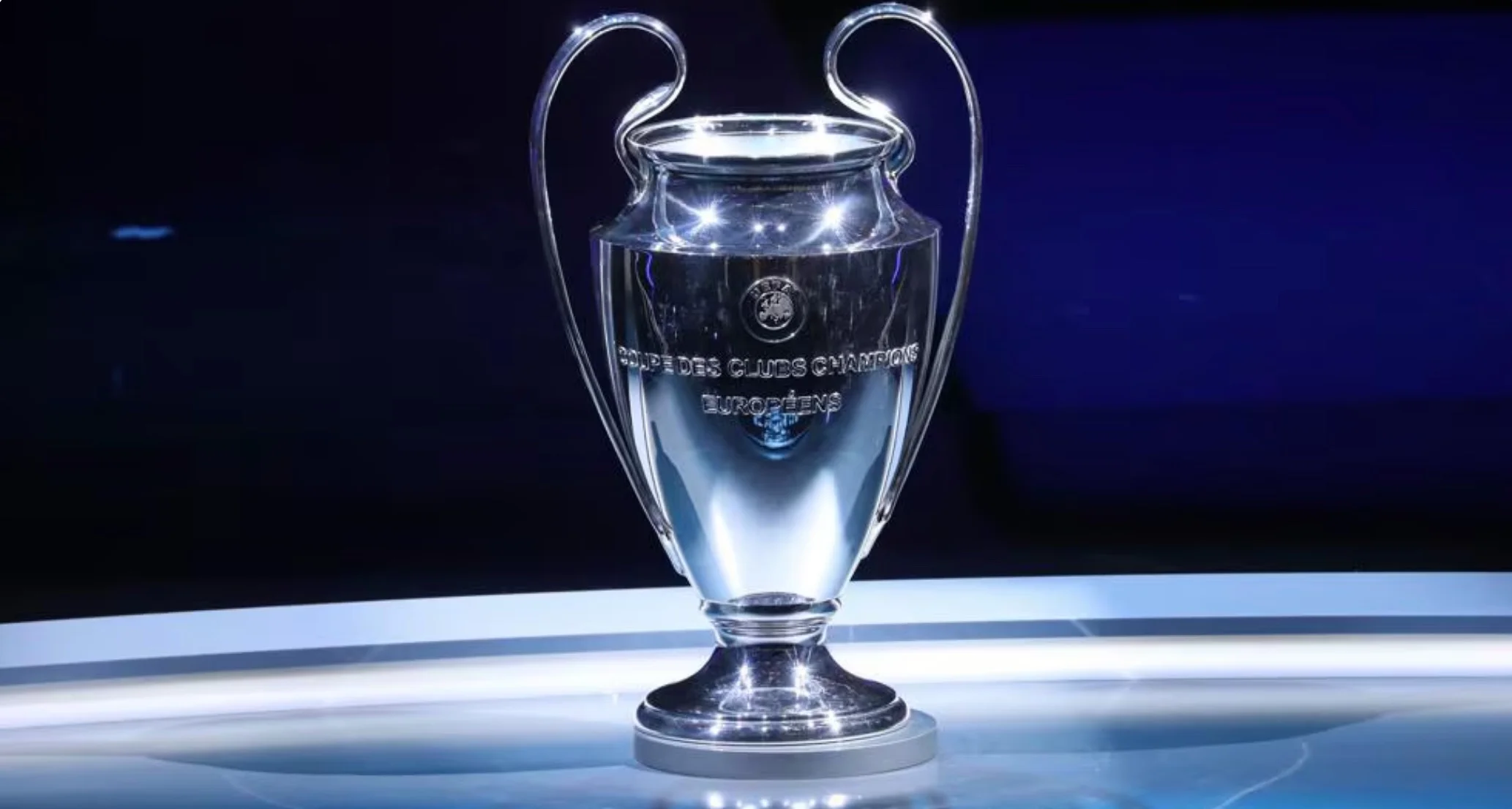
Stage set in Budapest
UEFA has handed the showpiece of its 71st elite‑club season to Puskás Aréna, the modern national stadium in Budapest that has quickly become a favored venue for major finals. The match between PSG and Arsenal kicks off at 18:00 CET (17:00 BST, 12:00 ET) on Saturday 30 May, concluding the 2025‑26 Champions League campaign.
In television and streaming terms, UEFA’s global footprint will be on full display: CBS and Paramount+ carry the game in the United States, TNT Sports and Amazon/Prime Video have rights in the UK, and free‑to‑air coverage is available in markets such as Ireland (RTÉ, Virgin Media) and Australia (Nine/9Now). For Arsenal, it is a return to the biggest stage for the first time since 2006; for PSG, it is a chance to cement an era of domestic and continental dominance.
How PSG and Arsenal got here
UEFA’s competition records and live blogs describe two very different routes to the final.
Paris Saint‑Germain are defending champions, having crushed Inter Milan 5–0 in last season’s final and claimed a record 14th Ligue 1 title this spring. Under Luis Enrique, they have dismantled opponents with a front line built around Kylian Mbappé and an array of creative options, scoring freely in the knockout stages.
Arsenal arrive as Premier League champions, having lifted their first English title since 2004 while grinding their way through a brutal European bracket. Mikel Arteta’s team knocked out Atletico Madrid in the semi‑finals and has built a reputation for relentlessness without the ball, conceding fewer goals than any other side in this year’s Champions League.
The meeting in Budapest is also a rerun of a rivalry that tilted PSG’s way a year ago: Paris knocked Arsenal out 3–1 on aggregate in the 2024‑25 semi‑finals, including a 2–1 win in Paris with goals from Fabián Ruiz and Achraf Hakimi. Those memories add an extra layer to a head‑to‑head history that, according to UEFA, is finely balanced at two PSG wins, two draws and one Arsenal win, with six goals each ahead of this final.
Best attack vs best defense
ESPN has billed the game as “the best attack vs the best defense,” an archetypal showdown between an unstoppable force and an immovable object. PSG’s attacking numbers back up the label: they have averaged more than two goals per game in Europe this season, frequently overwhelming sides in 20‑minute bursts of pressure.
Arsenal, by contrast, have become synonymous with structure and control. BBC Sport notes that they have allowed the fewest shots on target per match in the competition and have relied on a tight unit featuring center‑backs William Saliba and Gabriel, screening midfielders Declan Rice and Martin Ødegaard, and a compact pressing structure high up the pitch.
The tactical question hanging over the final is whether Arteta’s side can disrupt PSG’s rhythm without losing their own attacking threat, or whether Mbappé and company will eventually stretch them into the kind of transitions that Paris regularly punish.
Key tactical battles
BBC’s tactical breakdown and ESPN’s preview highlight several match‑ups that could decide the night.
Kylian Mbappé vs William Saliba
Mbappé remains PSG’s reference point in big games, combining explosive pace on the left with licence to roam inside. Saliba, one of Arsenal’s most improved players, will be central to containing him, especially when PSG look to isolate him one‑on‑one or exploit space behind the Gunners’ high line.
PSG’s press vs Arsenal’s build‑up
Luis Enrique has introduced a more aggressive pressing scheme than some of his predecessors, with PSG often hunting in packs high up the pitch. Arsenal, meanwhile, have evolved into one of Europe’s most sophisticated build‑up sides, using inverted full‑backs and rotating midfielders to progress the ball. Whoever wins these early‑phase duels may control territory and tempo.
Set pieces and second balls
In a tight final, marginal phases matter. BBC’s analysis points out that Arsenal have been strong on attacking corners and free‑kicks, while PSG have improved their defensive set‑piece record after earlier seasons of vulnerability. Second balls at the edge of the box — where Rice, Ødegaard or Vitinha can shoot — could decide the trophy.
Pressure, narratives, and legacy
Much of the subplot revolves around what a win — or loss — would mean for each club.
For PSG, victory would deliver a second consecutive Champions League title and help silence critics who for years mocked their inability to translate domestic dominance into European success. It would add another layer to Mbappé’s legacy at the club and underline Luis Enrique’s status as a manager capable of building a repeat champion in the era after Lionel Messi and Neymar.
For Arsenal, this is an opportunity to redefine the club’s modern history. A Champions League win, coming in the same season as a long‑awaited Premier League title, would validate Arteta’s painstaking rebuild since 2019 and banish memories of the 2006 final defeat to Barcelona in Paris. It would also confirm that Arsenal belong in the conversation with Europe’s super‑clubs after years on the periphery.
UEFA notes that this is the first Champions League final since 2018 to feature the reigning champions, a reminder of how hard it is to get back to this stage, let alone to win it twice in a row. That context only sharpens the sense of jeopardy for PSG and the sense of opportunity for Arsenal, who are still seeking their first European Cup.
What to expect on the night
With bookmakers making PSG narrow favorites over 90 minutes but giving Arsenal a live chance, CBS Sports lists Paris at around +135 for the win and Arsenal at +215, with PSG about –145 to lift the trophy, neutrals are braced for a final that could swing on a single moment.
Conditions in Budapest are forecast to be mild for an evening kick‑off, and both teams arrive with relatively clean bills of health after managing minutes carefully in the final weeks of their domestic seasons.
History suggests that finals can be cagey, but the ingredients here, PSG’s attacking talent, Arsenal’s willingness to press high, the tactical ambition of Luis Enrique and Arteta,raise hopes of a contest that reflects how modern elite football is played.
Whatever the scoreline, the meeting of Paris Saint‑Germain and Arsenal at Puskás Aréna will stand as a snapshot of an era in which data‑driven coaches, state‑backed projects and fan‑owned traditions collide on the same stage, and where, for one night at least, Europe’s grand narratives turn on the bounce of a ball.