
Japan’s parliament has approved the most significant change to imperial succession rules in decades, easing the pressure on a shrinking royal family by allowing the adoption of male distant relatives and letting princesses keep their titles after marriage, but leaving in place the ban on women ever becoming emperor. The move is meant to shore up the future of the Chrysanthemum Throne as the male line thins to just three eligible heirs, yet it stops short of the female succession that opinion polls show most Japanese now support.
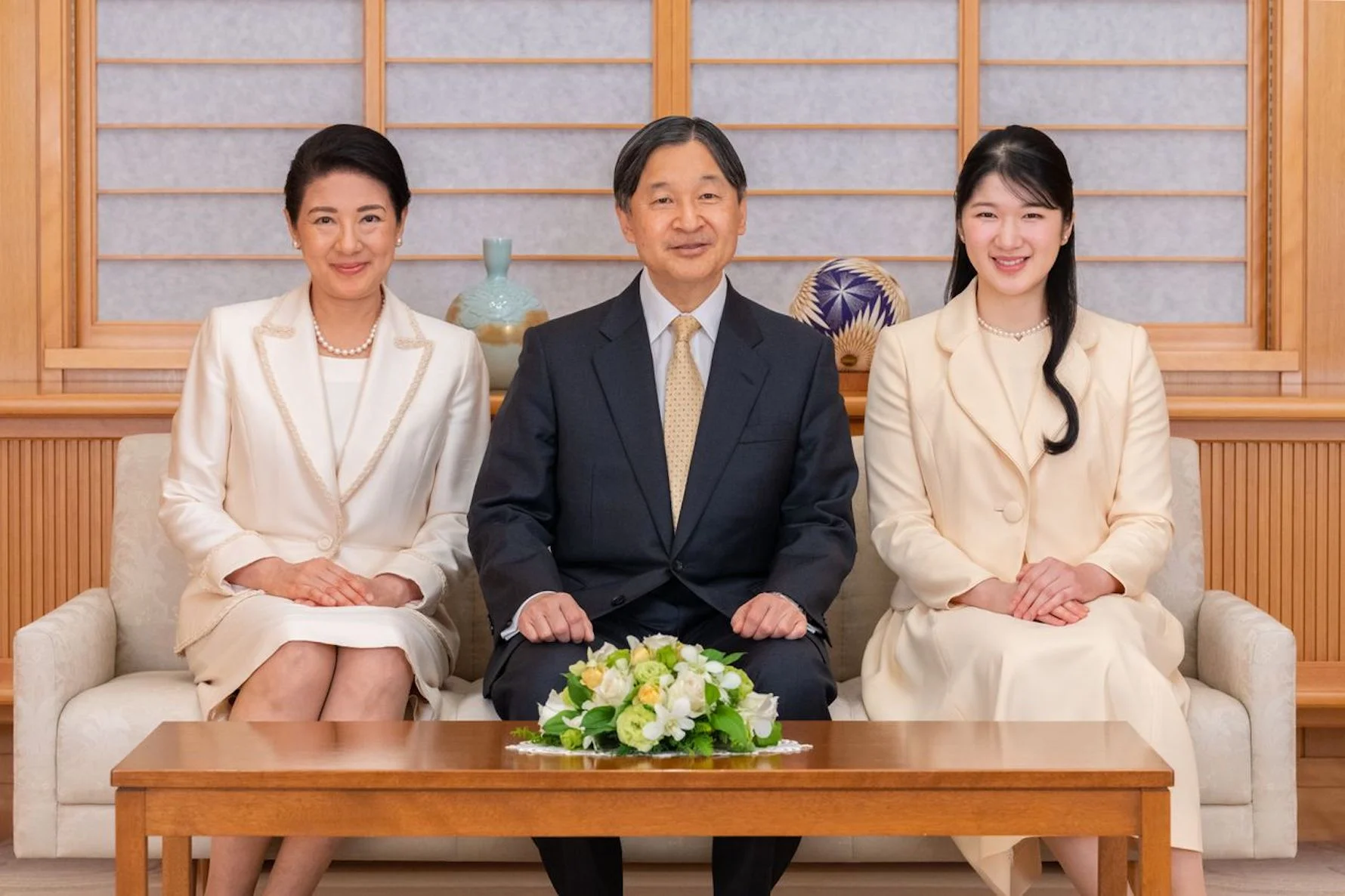
What changed: adoption and women’s status
The newly approved bill revises Japan’s Imperial House Law, the statute that governs who can join the imperial family and inherit the throne. According to BBC and Euronews, the reform has two headline elements:
- It allows the imperial family to adopt male distant relatives, aged 15 and older, from former imperial branches that were cut off after World War II.
- It lets female members retain their imperial status after marrying outside the family, rather than automatically losing their titles, and leaving the royal household.
Under the revised law, male descendants of those adopted into the imperial family could, in principle, enter the line of succession, provided they descend through the male line from past emperors. At present, Japan’s royal family has only 16 members, and just three are male and eligible to become emperor under the current rules.
The change to women’s status reverses long‑standing practice. Until now, princesses who married commoners were required to give up their titles and leave the family, as happened in 2021 when Princess Mako married her college partner. Allowing women to retain royal status is meant to expand the pool of working members who can perform public duties, but it does not make their children eligible for the throne.
What did not change: no women on the throne
Crucially, the revised law leaves intact the rule that only men descended through the male line can become emperor.
Japan’s Imperial House Law, which implements Article 2 of the postwar constitution, states that “the Imperial Throne shall be succeeded to by a male offspring in the male line belonging to the Imperial Lineage.” The official Imperial Household Agency’s English guidance reiterates that eligibility is restricted to “male descendants in the male line of Imperial Lineage,” and lists the order of succession starting from the emperor’s eldest son, then his male descendants, then the emperor’s other sons and brothers and their male descendants.
The BBC notes that the new bill “does not alter the existing prohibition against women ascending to the throne, despite considerable public backing for the idea of a female emperor.” Euronews emphasizes that Princess Aiko, 24, the only child of Emperor Naruhito, remains ineligible to inherit the throne.
The Straits Times points out that the latest legal revision “makes no mention of female or maternal‑line emperors,” and that descendants through female members who marry commoners will continue to be barred from succession. In other words, Japan has chosen to tweak the edges of the imperial system without touching its male‑only core.
The current line of succession and why it’s shrinking
The urgency behind the reform stems from how narrow the succession line has become.
BBC and Euronews explain that first in line is Crown Prince Fumihito, Naruhito’s 60‑year‑old younger brother. Second is Fumihito’s 19‑year‑old son, Prince Hisahito, currently the only male in his generation within the imperial family.
Third in line is the emperor’s uncle, Prince Hitachi, now in his 90s and the last person currently eligible under the law. If Prince Hisahito does not have a son, the male line would effectively end under the existing rules.
The situation is a direct result of postwar changes. When the 1947 Imperial House Law took effect under US occupation, Japan abolished 11 former imperial branches, removing 51 princes and princesses from the royal family. Those branches were male‑line descendants of emperors who, under prewar rules, could theoretically have supplied future heirs.
By now, only the emperor’s immediate relatives remain, and many working members are women who would traditionally leave the family upon marriage. The new law’s adoption and status provisions are intended to reverse some of that attrition.
Re‑opening the door to former branches
One key feature of the reform is the opportunity to bring back relatives from former imperial lines.
The BBC says the bill “opens the door for male descendants from 11 former imperial branches to be reintegrated into the family,” branches removed after World War II. Under the revision, the imperial family will be allowed to adopt unmarried male descendants aged 15 and over from those branches.
Straits Times reporting notes that once adopted, those men and their male descendants could ascend the throne, provided they meet the law’s male‑line criteria. Adoption of such relatives had long been considered politically difficult, in part because postwar reforms were designed to shrink and demilitarize the imperial institution.
Allowing adoptions now is a pragmatic move: it gives the state a way to replenish the imperial roster without changing the fundamental male‑only rule. It also spreads the burden of royal duties more widely across a larger family.
Public opinion vs. conservative politics
The change stops short of what many Japanese say they want: the possibility of a female emperor.
Euronews cites nationwide opinion polls showing broad support for a woman on the throne. A March survey by the Mainichi Shimbun found 61% of respondents backed the idea of a female emperor, with only 9% opposed. Another poll in June, covering more than 2,000 people, saw 73% in favor.
Princess Aiko is personally popular, and many in Japan see no reason she should not be eligible to succeed her father. A broader debate on imperial succession, including the option of female and maternal‑line heirs, has been running in Japan for years, with advisory councils and legal scholars exploring alternatives.
Yet the new law reflects the influence of conservatives who insist that preserving male‑line succession is essential to tradition. The Straits Times notes that some figures, including Sanae Takaichi, Japan’s first woman prime minister, remain opposed to female emperors and have prioritized keeping the male‑only rule while tweaking other aspects of the system. Takaichi’s government pressed for the adoption and status changes but “made no mention of female or maternal‑line emperors” in the revision.
For now, political leaders have chosen an incremental fix rather than a fundamental overhaul.
Historical and legal context
Japan’s imperial succession rules are rooted in older legal frameworks.
Wikipedia’s overview of succession to the Japanese throne explains that the current system is governed by the Imperial Household Law, which enshrines agnatic primogeniture, inheritance through the male line. The basic principle dates back to the 1889 Imperial House Law, which established that only men descended through the paternal line of the imperial family could become emperor.
The 1947 law, adopted under the postwar constitution, carried that rule forward and codified the current order of succession. Official Imperial Household Agency documents lay out a hierarchy beginning with the emperor’s eldest son, then that son’s male descendants, followed by the emperor’s other sons, brothers and uncles and their male descendants.
Japan has had empresses in its long history, but modern law treats those cases as exceptions rather than precedents for female succession today. The current debate, and this year’s partial reform, reflect the tension between that legal continuity and contemporary pressures from demographics and public opinion.
Looking ahead: review clause and unresolved questions
The new imperial system is not fixed forever.
The Straits Times reports that under the revised law, the system will be reviewed every 30 years “if necessary, considering the progress made in making it sustainable.” That clause acknowledges that the current solution, adopting male relatives and keeping women in the family while barring their children from succession, may not be enough to secure the throne over generations.
Unresolved questions include:
- What happens if Prince Hisahito does not have a son, and adopted branches do not supply suitable heirs?
- Whether future governments will revisit female or maternal‑line succession if public support remains high.
- How a larger royal family will be funded and integrated into public life, especially if more members remain active after marriage.
For now, Japan’s emperor succession law remains male‑only, but the country has taken a cautious step toward widening the imperial circle and prolonging a dynastic institution that is both a constitutional symbol and a living family.





