
Choosing the perfect set of steps for a manufactured home means understanding your material options and getting them installed properly—learn more.
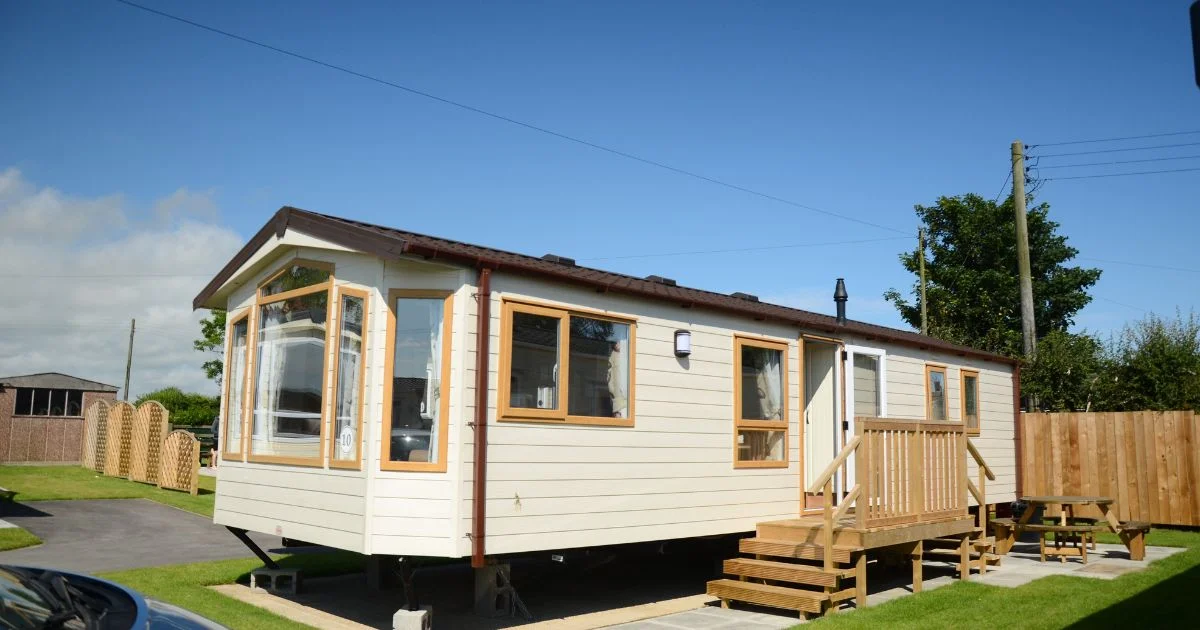
Choosing the right steps for your manufactured home is more important than you might think. They provide safety and accessibility for your family and guests, but also the right set of steps can significantly enhance the overall look of your home. Here’s everything you need to consider to choose the perfect set of steps for your manufactured home.
Understand the Types of Manufactured Home Steps
Wooden steps are a classic choice, especially for homeowners looking for an affordable and customizable option. They are lightweight and can be styled to match your home’s exterior. However, wood is prone to rot and may require regular sealing or staining to prevent weather damage.
Metal steps are durable and often feature a sleek, modern design. They are lightweight, weather-resistant, and long-lasting if treated against rust. However, metal steps can become slippery in wet conditions, so additional grip or treads may be necessary.
Concrete steps are the most durable and low-maintenance option. Their sturdy construction offers ultimate stability, making them ideal for frequent use. While heavier than other options, concrete steps are permanent and incredibly weather-resistant, ensuring they last for years. Installation can, however, be more labor-intensive and costly.
Follow Building Codes and Regulations
Building codes govern the safety, dimensions, and installation of steps to ensure accessibility and minimize accidents. Look into the height and depth requirements for each step, the necessity of handrails, and the landing size regulations within your local jurisdiction. Checking these codes also ensures compliance with housing guidelines, saving you from costly or potential legal issues down the road.
Measure for the Perfect Fit
Accurate measurements ensure seamless installation, aesthetically and functionally. Start by measuring the height from the ground to the entryway. Divide this measurement by the desired riser height—usually seven inches—to determine the number of steps needed. Consider the width of your entryway and the surrounding space for the steps to create a balanced look that aligns with your home’s proportions.
Proper Installation
Correct installation is vital for safety and longevity. Make sure the steps are level and securely fastened to the manufactured home.
Wooden and metal steps often require anchoring to prevent shifting, while concrete steps need a solid and level foundation before placement. For people unfamiliar with step construction, hiring a professional will provide peace of mind during the installation process.
Maintain Your Manufactured Home Steps
Proper care will extend the life of your steps and improve the curb appeal of your manufactured home. Inspect wooden steps regularly for cracks, rot, or wobbly boards and resealed annually to protect them from the elements.
Metal steps may need occasional cleaning and rustproofing to keep them looking sleek. Check concrete steps for chips or surface erosion that could pose a tripping hazard and handle it promptly. Your steps are an extension of your manufactured home’s personality. By carefully choosing the right material, ensuring compliance with building codes, and maintaining them well, you will create an entrance that is safe and appealing. Take the time to measure and plan properly for steps that will serve your manufactured home beautifully throughout the years.