
More than 25 years since his passing, the icon of Afrobeat, Fela Kuti, continues to resonate on the global stage of music, politics, and culture. Recent events, the massive exhibition at Lagos’ Pan African Centre in November 2025, for example, not only celebrate Fela’s ongoing art, but also remind present-day audiences about Fela’s mission. The exhibition, which marked Lagos as a cultural capital, highlighted the continuing influence and reach of not just Fela, but of the movement he began.
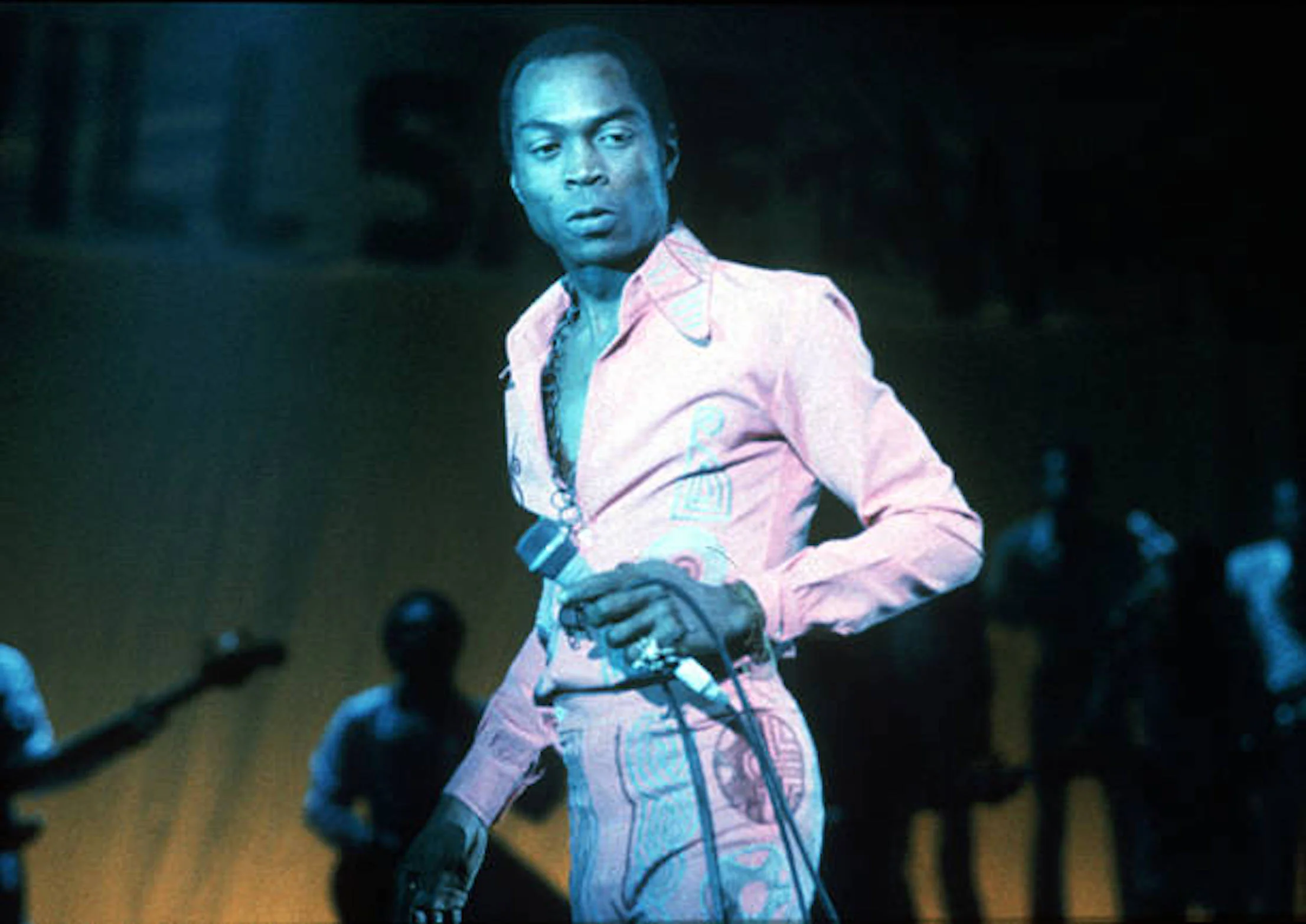
Afrobeats’ Architect: Musical Innovation and Defiance
Fela Kuti’s legacy begins with Afrobeat, the genre he spectacularly mixed from jazz, funk, Yoruba rhythms, and highlife. Afrobeat became a vehicle of protest and identity for African and diasporic people, rich with pulsating horns, hypnotic grooves, and lyrics in Pidgin English. Fela’s performance charisma was metaphorically operatic in its rich expression and meaning, his shows created rituals in which audiences found themselves entranced. The albums “Expensive Shit” and “Zombie” and “Sorrow, Tears, and Blood,” all remain sonic manifestos of resistance against a history of corruption, military brutality, and colonialism. The music translates Fela’s protest into sounds for change.
The exhibition started in Paris in 2025 with 440 original items, photographs, original artworks and performances, apparel, and Fela’s vivid colorful underwear, and was this installation came to Lagos, it remixes memories of Fela’s life, artifacts, music, and the historical influence and impact. Musicians will reinterpret records live in concert, and interactive workshops are all readily engaging a new generation of creative artists and audiences with energy and hope that will affirm the growing genre.
Activism: Music as Resistance
Since the 1970s Fela has been armoring music against Nigeria’s dictatorship and risking his life and freedom for so doing. His home, Kalakuta Republic became both a recording studio and a refuge for activists, artists, and the disillusioned. In Kalakuta he outlined his Movement of the People (MOP), which was a mixture of Pan-Africanism, radical honesty, and populism.
“Zombie,” was a performance about mocking obedience among soldiers, the track “Sorrow, Tears, and Blood” was a reference to the atrocities, violence, and inhumanities Fela recorded, such as a raid by Nigerian soldiers that left Fela’s mother and Fela’s mother, Funmilayo Ransome-Kuti—a famous feminist and anti-imperialist or anti-colonial leader in her own right—dies in the raid. Fela never wavered. He continued to transform personal and collective pain and suffering into calls for justice and freedom.
Global Influence: Inspiring Art and Activism
Fela’s impact was not limited to Nigeria. Afrobeats, now radiating awesomeness in stadiums, dance clubs, and political rallies around the world, owes much to Fela. Since his passing, artists ranging from Burna Boy to Femi Kuti (his son) and his grandson Mádé Kuti have been moving Afrobeat forward by adding new sounds while keeping Fela’s essence intact.
In 2025, Fela Kuti was inducted into the Grammy’s Hall of Fame, highlighting his significance in the history of world music. Museums and performance spaces in Hull, UK and New York are exploring Fela’s impact in exhibitions about both his art and the tension surrounding his personal beliefs and activism.
His family, along with others, continues to uphold his creative legacy by creating arts installations and youth programs as well as through a story of the “Afrika Shrine” which was a cultural space for activism and music in Lagos.
Enduring Relevance: Lessons for Today
As democracy faces new threats and popular movements try to be bolder in how they express themselves, Fela Kuti’s radical spirit feels more important than ever. Some critics and scholars have noted that Fela’s music was not political. Some lyrics have drawn notable critique for sexism. But the mythos he constructed spurred his committed fans to demand accountability, publicly resist oppression, and create utilization of culture as means of inciting change.
Creative entrepreneur Bayo Omoboriowo posited, “Are there still people who can speak like Fela? Who can stake a claim and stay until the word is out?” The anthems of Fela–resistance, freedom, and self-empowerment, are still valuable as economic and political crises produce increasing dissatisfaction globally.
A great legacy
Fela Kuti is still a big part of Nigeria’s musical DNA, but his legacy is also part of global activism. From the beating heart of Lagos to the largest stages in the world, his Afrobeat rhythms and radical lyrics continue to challenge, inspire, and bring unity. Fela Kuti’s narrative is testament to the transformative power of art, the courage of dissent, and the waft of hope that music can change society.



