
The headline of “Northern Ghana chieftaincy dispute sparks military deployment” evokes a revival of age-old crises directly impacting stability in the northern regions of the country. The Ghanaian government’s militarization of the area demonstrates growing concern regarding the intensification of conflict following skirmishes involving opposing factions of traditional authorities.
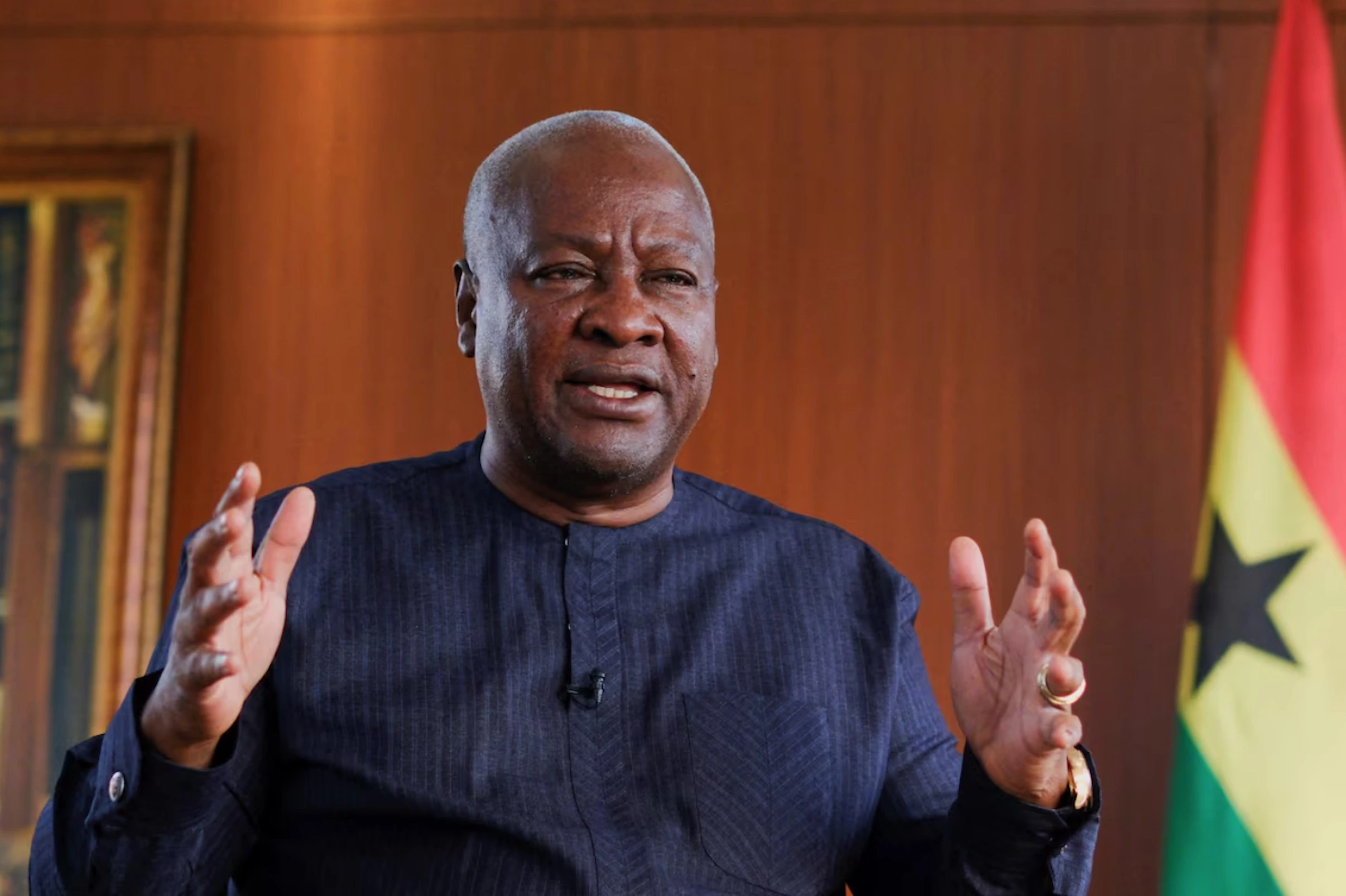
The local chieftaincy landscape in northern Ghana has generated newfound interest domestically and abroad, underscoring the considerable challenges caused by the chieftaincy system’s complexity and rationale when considering the significance for local governance, economic participation, and community wellbeing.
According to GhanaWeb, the Ghana Armed Forces were dispatched last week in response to “credible intelligence” of conflict breaching within breadth of strategic towns in the Northern Region, including Yendi and Bimbilla, as well as some areas of the Northeast Region.
Roots of the Conflict: Tradition Facing Modernity
Chieftaincy conflicts are not unique to northern Ghana. For many decades, there have been conflicts over successions of chieftaincies, inter-ethnic conflicts, and challenges associated with the evolution of traditional leadership and authority that have all been fraught with intermittent violence—sometimes incurring serious violence that has resulted in lost lives, lost property, and high displacement levels. Current conflicts focus on the processes associated with selecting a new chief in Yendi, a Place of Majesty, and Yendi, carries enormous significance from the past and future implications associated with Dagbon traditions.
There are several competing royal lines that claim the right to install a successor in Dagbon. These claims have historical roots that date back centuries; however, they become increasingly complex due to aspects of colonial legal systems (or lack of clarity that results in legal grey areas). The entire affair becomes even more complicated when political folks, local and national, are sometimes identified as siding with particular families or royal lines. Consequently, this suspicion can add to the complexity of the problem, and it can increase tensions between competing family groups.
In January 2025, and there were several recommend attempts to mediate a settlement. A sub-region local arbitration committee was unsucessful in mediating a resolution, so the aggrieved parties turned to alternative more public measures including the rival enactments of enskinment ceremonies—which are ceremonial processes of public investment—leading to confrontations in the street between two conflicting groups who have competing rights to the same insert.
Government Action: Military Deployments to Curb Escalation
The Ghana Police Service, with the assistance of a military deployment, was sent to Bimbilla and surrounding towns to implement curfews, restore order, and de-escalate concurrent incidents of clashes and burnt homes. The Ministry of the Interior issued a statement, as quoted by Joy News, noting:
“Government appeals to all parties involved to maintain order whilst investigations are still ongoing by law enforcement agencies. The military presence aims to safeguard the citizens of the community, so reprisal actions do not occur in retaliation.”
Armed patrols, roadblocks and intelligence-gathering reportedly calmed one of the hotspots, yet tensions still remain high and with local markets only intermittently operating and schools closed for the short term.
Human Impact: Disruption of Lives and Calls for Mediation
“People are living in fear; many are sleeping in the bush or sleeping with relatives outside the town,” Sadik Ibrahim, a teacher in Yendi, told BBC News Africa. “We want peace to be restored so the children can go back to school.”
Local health facilities are saying they have been treating dozens of people for injuries, and humanitarian groups warn that renewed destabilisation could jeopardise food security on the eve of the planting season.
Traditional authorities, opinion leaders and civil society organizations have re-emphasized their call for respect, dialogue and honest mediation of the National House of Chiefs and religious leaders. Previous peace deals, like Dagbon and Nanumba, have demonstrated that all round negotiations and rigorous enforcement of rulings can lead to lasting solutions..
Reactions on the National and International level
The chieftaincy institution itself is recognized as a legitimate institution in Ghana with power over the land, conflict resolution and maintaining cultural identity. The recent crisis has prompted a renewed conversation in Parliament regarding the need for sustained reforms to chieftaincy succession laws and a review of the 2008 Chieftaincy Act.
International partners, such as the United Nations Development Programme (UNDP) also insisted on restraint on the matter. In a statement the UNDP Ghana said, “Northern Ghana is important for peace and stability as a prerequisite for development progress. We call for all stakeholders to consider resorting to mechanisms for nonviolent dispute resolution, dialogue, and other legal pathways as effort to amicably resolve their dispute.”
Next Steps: On the Path to Peace
President Nana Akufo-Addo instructed the National Security Council to engage directly with traditional authorities and relevant communities to reduce tensions and develop a framework for peace. This is consistent with the rhetoric of the overarching government and its emphasis on supporting neutral mediation and respecting any agreements reached through judicial or traditional mediation.
To reinforce this point, observers have cautioned against misunderstandings that subsequent processes can succeed without fundamental reforms. As noted by Citi Newsroom, political scientists expressed the following warning: “an indecisive, ad hoc state deployment will not resolve the issues sustainably. The root causes—land ownership, succession amelioration, and political interference—will have to be addressed before a sustainable resolution is achieved,” steer clear.
Dialogue, Patience and The Rule of Law Required
Recent chieftaincy dispute in Northern Ghana is resulting in military deployment and spotlighting the complicated junction of tradition, governance, and modernity. Although proposals of temporary security solutions can provide some comfort, lasting peace can only come through participatory dialogue, an understanding of succession rules and authentic reconciliation.
Ghana’s enduring character and reputation for peacefully resolving disputes will be challenged in the weeks to come. For those most affected—the people—ordinary families, traders, and children—the hope is more straightforward: to return to stability, respect and community life that has characterized northern Ghana for generations.