
A strong earthquake off the coast of Japan’s northeast coast has hurt dozens of people, set off tsunami warnings and mass evacuations, and brought back painful memories of past disasters in one of the most seismically active countries in the world. The 7.5 to 7.6 magnitude earthquake hit late Monday night local time off the coast of Aomori Prefecture. As waves started to hit the coast, authorities told or advised more than 90,000 to 100,000 people living along parts of the Pacific shoreline to move to higher ground or designated shelters.
What Happened and Where
According to Japanese and American agencies, the earthquake struck at about 11:15 p.m. local time on December 8. Its epicenter was off the northern tip of Honshu, near Aomori and Iwate prefectures, at a depth of about 50–60 km. People in a large area of northeastern Japan, even as far away as Tokyo, felt shaking. People in Tokyo said they felt swaying for more than 30 seconds.
NHK, a national broadcaster, and local officials indicate:
- At least 25 to 30 people were hurt, one of them seriously, mostly because of falls, broken glass, and falling furniture.
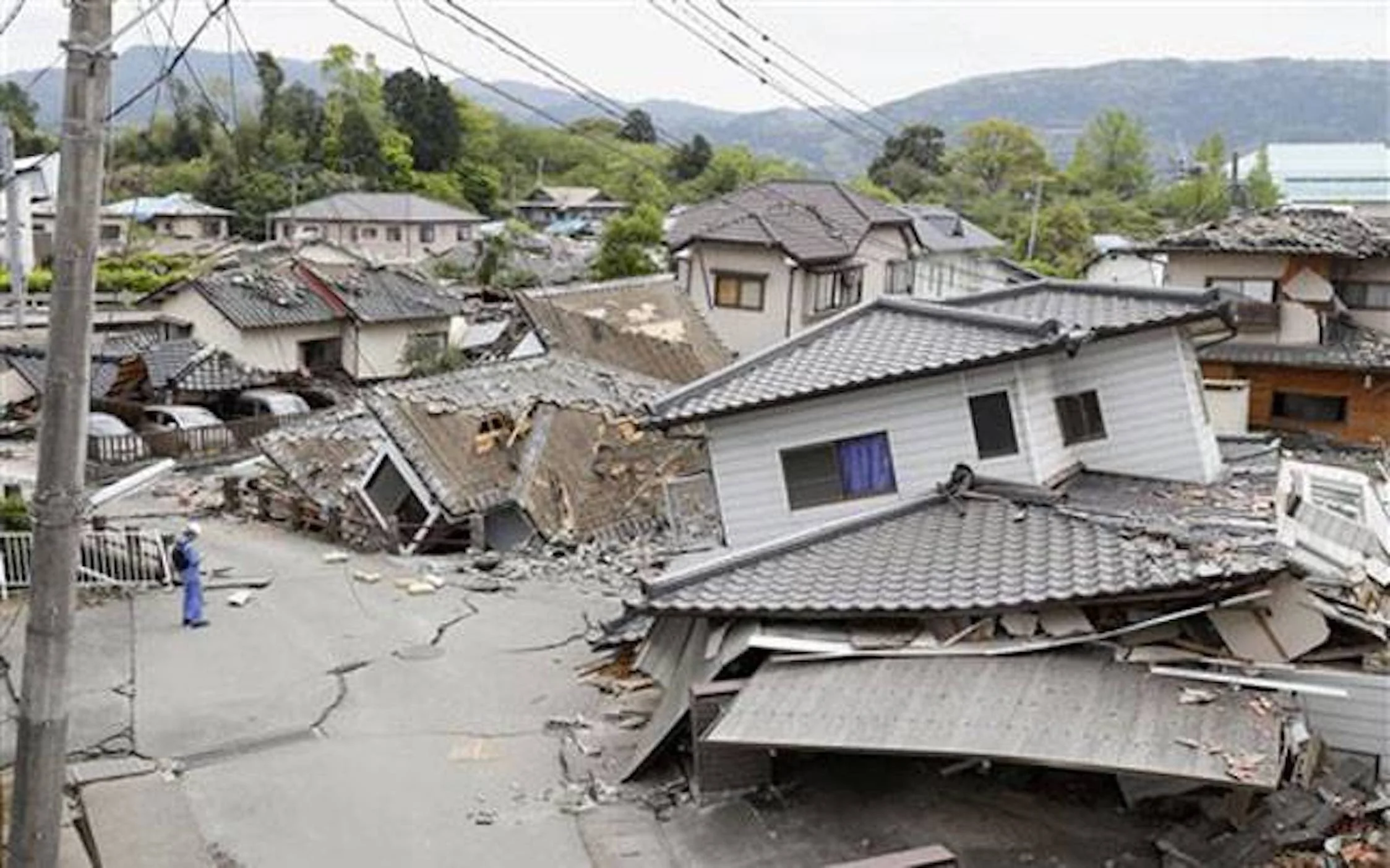
- So far, the only damage to the structure is cracked walls, fallen furniture, broken water pipes, and small landslides. More detailed inspections are still going on.
- The International Atomic Energy Agency and Japanese regulators say that there are no problems at nuclear plants, including the Fukushima Daiichi plant.
The Japan Meteorological Agency (JMA) called it a “strong, shallow offshore quake” that could cause a tsunami and said that more earthquakes of the same size or bigger could happen in the next few days.
Tsunami Warnings, Evacuations and Current Status
The JMA sent out a tsunami warning for parts of Hokkaido, Aomori, and Iwate just minutes after the quake. As more data came in, the warning spread to a longer stretch of coastline. Sirens went off in coastal towns, and emergency alerts went off on phones, telling people to leave low-lying areas right away and not come back until all clear signals were given.
Authorities report:
- In several prefectures, about 90,000 people were told to leave or strongly advised to do so. Many of them spent the night in schools, community centers, and shelters on higher ground.
- The worst-case predictions said that tsunami waves would be higher than what was actually seen. For example, waves of about 20 to 70 cm were seen at ports like Kuji in Iwate, and waves of about 30 to 40 cm were seen at sites in Aomori and Hokkaido.
- There was no big, destructive tsunami, and by Tuesday morning, warnings had been changed to advisories and then removed completely as the waves calmed down.
Officials stressed that even small tsunami waves can create strong currents and be dangerous near river mouths, harbors, and seawalls. They also praised residents for mostly following evacuation orders.
Government Response and “Megaquake” Concerns
Shortly after the quake, Prime Minister Sanae Takaichi called an emergency task force to meet at the crisis management center in Tokyo. She told agencies to put people’s lives first, give timely information, and work closely with local governments. Some of her orders were:
- Quick damage assessments in areas that were hit.
- Full use of emergency services for search, rescue, and medical help.
- To avoid confusion, clear and regular updates on evacuation plans and tsunami risks.
Seismologists from JMA and other academic institutions have said that the quake raises the short-term chance—about 1% over the next week—of a bigger “megaquake” (magnitude 8 or higher) in the area, but they stress that this is not a prediction but a low-likelihood, high-impact scenario. Officials are using the event to stress the importance of being ready and are telling people to go over their emergency supplies and evacuation routes.
Context: Japan’s Seismic Reality and Preparedness
Japan is at the intersection of several tectonic plates and has thousands of noticeable earthquakes every year. This has affected everything from building codes and infrastructure design to school drills and broadcast systems. The country has done the following since the Tohoku earthquake and tsunami in 2011, which killed almost 20,000 people:
- Better planning for evacuations and stronger coastal defenses.
- Made design standards for important buildings and lifelines stricter.
- Put a lot of money into early warning systems, real-time monitoring, and public education.
The most recent earthquake seems to show both the good and bad sides of that system. Alerts went out quickly, and many people were able to leave quickly. Nuclear plants stayed stable, and the number of deaths was relatively low given the size of the event. However, it still caused transportation problems, scared communities, and showed how previous disasters can have lasting psychological effects.