
A New Year’s Eve party at a packed bar in the Swiss Alps turned into one of Switzerland’s deadliest peacetime disasters when a powerful fire ripped through the Le Constellation bar in the ski resort of Crans‑Montana shortly after midnight, leaving “several tens” of people presumed dead and around 100 others injured, most of them seriously, according to cantonal police.
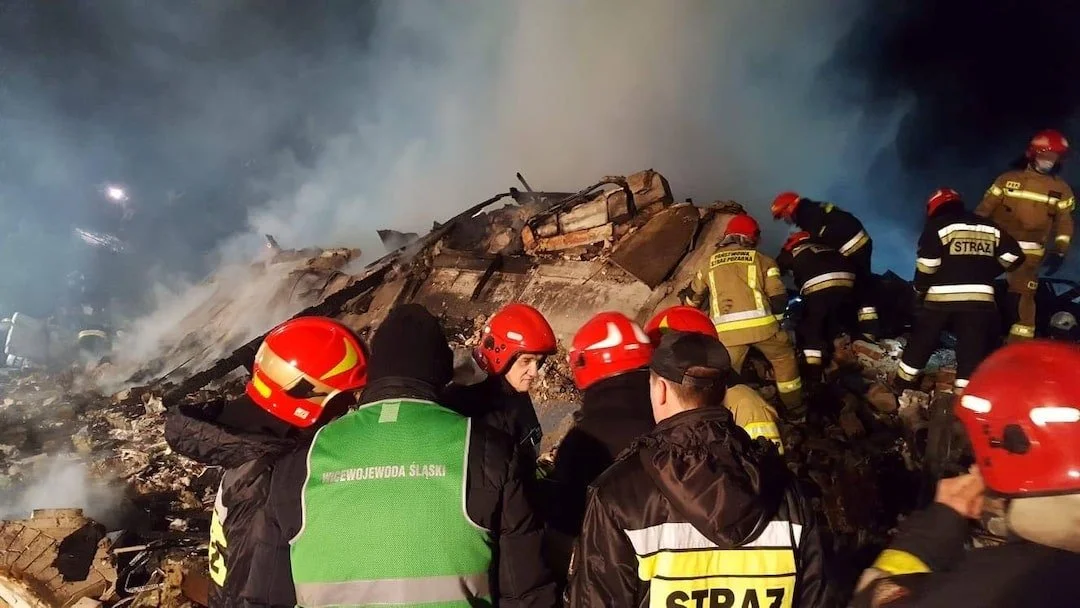
Investigators say the blaze appears to have been accidental and have ruled out terrorism but warn that the full scale of the tragedy will take days to confirm as they comb through the ruins of the popular nightspot.
What happened at Le Constellation
The fire broke out at around 1:30 a.m. local time on New Year’s Day, when more than 100 people were inside Le Constellation, a fashionable bar and lounge in Crans‑Montana, a well‑known ski resort in the canton of Valais about two hours from the Swiss capital, Bern. Police spokesperson Gaëtan Lathion said that “more than a hundred people were in the building, and we are seeing many injured and many dead,” describing a chaotic scene as flames and smoke rapidly engulfed the venue.
Authorities speak of an “embrasement généralisé,” a French firefighting term for a situation in which accumulated flammable gases ignite suddenly and violently known in English as a flashover or backdraft. Witnesses told local media they heard a loud explosion before the bar was quickly swallowed by fire, though prosecutors later said the blast was a consequence of the blaze rather than its origin.
Emergency responders established a no‑fly zone over Crans‑Montana, sealed off the surrounding area and launched a major operation involving police, firefighters, ambulances, and several helicopters. A reception center and family helpline have been set up for relatives and survivors, with local officials warning that identifying victims will be a slow, painstaking process.
Victims and the toll on local hospitals
Valais cantonal police commander Frédéric Gisler said “several tens of people” are presumed to have died in the blaze, but declined to give a precise figure, stressing that authorities are still at “the outset” of their investigation. Roughly 100 people were injured, many with severe burns or smoke inhalation; the number of critically wounded rapidly overwhelmed the intensive care and operating capacity at the local hospital, officials said.
Mathias Rénard, head of the regional government, called the fire “a nightmare” in remarks reported by Swiss and international outlets. “This evening should have been a moment of celebration and togetherness, but it turned into a catastrophe,” he said, adding that doctors and nurses were working around the clock to stabilize patients and arrange transfers to other facilities.
Authorities have not yet released the nationalities of those killed, but say the victims include both Swiss citizens and foreign tourists, reflecting Crans‑Montana’s status as a “globally recognized ski destination” popular with visitors from across Europe and beyond. Some injured people were flown by helicopter to burn units in other parts of Switzerland as local capacity was stretched.
Cause of the fire: Accidental, not an attack
In the hours after the disaster, speculation swirled about what could have triggered such a deadly blaze at a modern Alpine bar, with early local media reports suggesting fireworks or pyrotechnics used during a concert might be to blame. However, Valais Attorney General Beatrice Pilloud told reporters it is “too soon” to say what caused the fire and that forensic experts have not yet been able to enter the most heavily damaged parts of the building.
Officials have now ruled out terrorism or a deliberate attack. Stephane Ganzer, the Valais state councilor responsible for security, said preliminary evidence and witness statements suggest the blaze was accidental, with the explosion arising from the fire’s progression rather than from an explosive device.
The municipality had banned outdoor New Year’s fireworks this year because of an unusually long dry spell and fears of forest fires, making it less likely that official pyrotechnics were involved, though private, illegal fireworks have not been completely ruled out. Investigators will examine whether building materials, interior decorations or heating and electrical systems contributed to the speed and intensity of the blaze, and whether the bar complied with fire regulations.
A resort town in shock
Crans‑Montana is an upscale resort in the Valais Alps, about 25 miles north of the Matterhorn, known for ski slopes, luxury hotels and an international clientele. On New Year’s Eve, bars and clubs in the town were packed with locals, seasonal workers, and tourists eager to toast the arrival of 2026.
The fire at Le Constellation has left the community reeling. “We are devastated,” police commander Gisler said at a news conference, struggling to contain his emotion. Residents interviewed by Swiss media described sirens echoing through the valley in the early hours and helicopters shuttling back and forth in the first light of New Year’s Day.
Local authorities urged residents and visitors to exercise extreme caution in the coming days, not only to prevent further incidents but also to avoid additional strain on medical services already operating at their limits. Hotels and tourism offices have begun coordinating psychological support for traumatized survivors and staff, with many hospitality workers having close ties to bar employees and regulars.
Safety questions for nightlife and resorts
As shock gives way to questions, attention is turning to what this disaster reveals about fire safety standards in night‑time venues, especially in high‑altitude resort towns where buildings and escape routes can pose particular challenges.
European audiences may recall past tragedies such as the 2000 fire at the Kaprun ski train in Austria or nightclub fires in Brazil, Romania and elsewhere, which exposed gaps in enforcement of occupancy limits, emergency exits and interior materials. Early indications from Crans‑Montana suggest that the fire’s rapid “flashover” left little time for people to escape, especially in a crowded indoor space during a party.
Swiss prosecutors will be under pressure to determine whether Le Constellation complied with building codes, maintained clear exits and had sufficient sprinklers and alarms. Any findings will resonate beyond Valais: Alpine resorts across Europe rely on bars and clubs to attract guests, and many share similar architectural and regulatory histories.
International response and next steps
As the news of the fire spread, people from other countries sent their condolences. Leaders in nearby countries showed their support for Switzerland, and foreign ministries started looking for and helping their citizens who may have been affected by the fire. Early reports suggest that among the injured are visitors from multiple countries, including some British tourists, reflecting Crans‑Montana’s international draw.
For now, authorities are focused on three immediate tasks: stabilizing the injured, identifying the dead and securing the site for a thorough forensic investigation. Families have been asked to contact a dedicated helpline rather than travel directly to the resort, where access remains heavily restricted.
Longer‑term, the fire will likely prompt national debate over fire safety in entertainment venues and emergency preparedness in tourist areas, especially during peak seasons when local infrastructure is stretched. For the community of Crans‑Montana, the challenge will be to mourn and rebuild without forgetting the lessons of a night that was supposed to mark a hopeful beginning, and instead became a grim entry in Switzerland’s history.