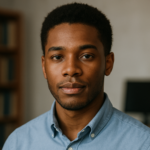
A man armed with multiple guns and knives stormed the entrance of the White House Correspondents’ Dinner at the Washington Hilton on Saturday night, firing shots as Secret Service agents and local police confronted him, authorities say. The suspect, Cole Tomas Allen, 31, of Torrance, California, was subdued and taken into custody, while President Donald Trump, Vice President JD Vance and other senior officials were evacuated from the ballroom unharmed.
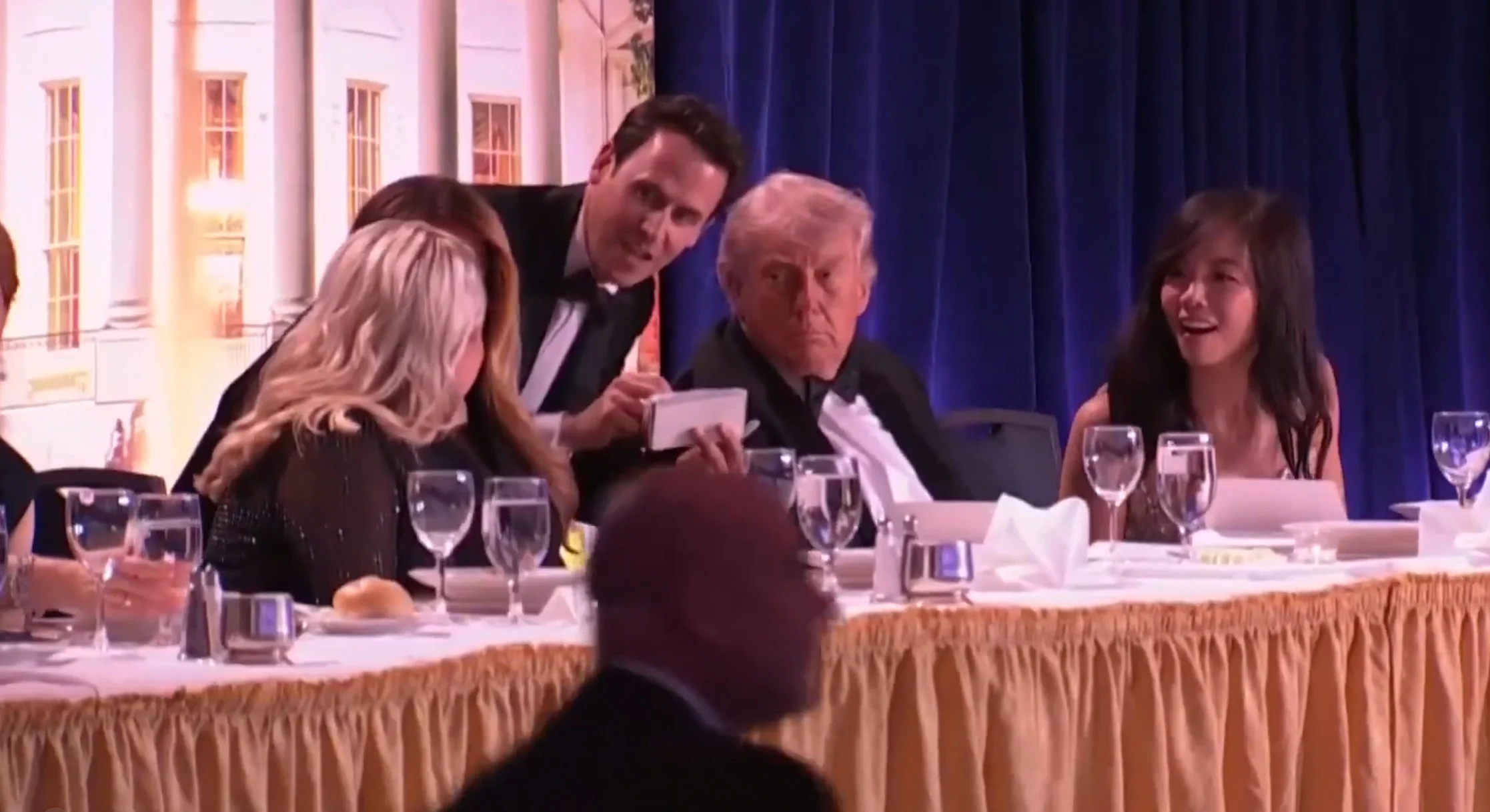
The shooting, which unfolded in the hotel’s lobby just outside the gala hall, echoes earlier attacks on public gatherings and has reignited debate over security at high‑profile Washington events, even as investigators say the suspect’s motive remains unclear.
What happened inside the Washington Hilton
The White House Correspondents’ Association dinner, an annual black‑tie gala attended by the president, top officials, members of Congress and dozens of journalists, was winding down in the Washington Hilton’s International Ballroom late Saturday when the attack erupted in the lobby.
According to the Metropolitan Police Department and AP, the suspect, identified as Cole Tomas Allen, walked into the hotel’s main entrance carrying a shotgun, a handgun, and multiple knives, then advanced toward the ballroom corridor where security checkpoints are set up. Surveillance footage released by Trump shows Allen sprinting through the hotel’s hallways as Secret Service agents and District of Columbia police converge on him.
Police and prosecutors say shots were exchanged between the suspect and law enforcement, with one Secret Service officer struck in his bulletproof vest but expected to recover. Agents and local officers subdued the attacker, and the ballroom was placed on lockdown while guests and reporters took cover under tables and along the perimeter of the hall.
Trump and Vice President Vance, along with several Cabinet members and congressional leaders, were quickly escorted out of the venue and driven back to the White House.
The suspect and what is known so far

The suspect, Cole Tomas Allen, is a 31‑year‑old man from Torrance, California, according to multiple law‑enforcement and media reports. Interim D.C. Police Chief Jeffery Carroll described him as a guest at the Washington Hilton, saying authorities had secured a room connected to him and would search for evidence inside.
Federal prosecutors say Allen faces two firearm‑related charges: use of a firearm during a violent crime and assaulting a federal officer with a deadly weapon. A U.S. Attorney quoted in CNN’s reporting said investigators believe Allen “aimed to inflict as much harm and destruction as possible,” though that assessment is still preliminary.
Investigators have not yet publicly tied Allen to any known extremist group, domestic‑terror plot or specific political ideology, and his motive is described as under investigation. Officials say they are reviewing his travel, social‑media activity, and background in California as part of the probe.
Security response and the role of the Secret Service
The response highlighted the dense, layered security around the president, even at events held off the White House grounds. The Washington Hilton, the traditional venue for the correspondents’ dinner, has two main entrances, including a dedicated VIP entrance that allows motorcades and high‑level officials to drive directly toward the ballroom area.
Secret Service agents stationed at the lobby and perimeter checkpoints engaged the armed man almost immediately, according to body‑cam‑style video and surveillance clips circulating in news reports. One officer, wearing a protective vest, was hit by gunfire but escaped serious injury, underscoring the effectiveness of personal‑protection gear in close‑quarters threats.
The White House and the Secret Service have not yet released a detailed timeline of the officers’ movements, citing the ongoing investigation, but have praised the security detail for its rapid response.
Political and public reaction
In a brief, televised appearance late Saturday from the White House briefing room, Trump said the incident was “certainly unexpected” and framed it as another attempt to target him, though he acknowledged that questions remained about the shooter’s intent. He released surveillance clips on his social‑media platform, saying the footage showed the suspect “running by officers who quickly pulled out their weapons.”
Trump also used the moment to reiterate calls for tighter security measures and to urge Americans to “stay vigilant,” a message echoed by some Republican lawmakers who said the dinner venue is not far from the Capitol and should be treated as a high‑risk target. Democrats and civil‑liberties advocates, meanwhile, have warned against broadly expanding surveillance or security footprints without concrete evidence of a broader plot, emphasizing that the suspect appears to have acted alone.
House and Senate leadership, including both parties, issued statements thanking law enforcement and the Secret Service for preventing loss of life, though some lawmakers privately questioned whether the constant ritual of high‑profile Washington gatherings still belongs on the calendar in its current form.
Impact on the correspondents’ dinner and press freedom
The White House Correspondents’ Association dinner has long been a rare public moment where the president and the press corps share the same stage, often laced with satire, and pointed jokes. In recent years, the event has also been shadowed by security concerns and by the increasingly polarized rhetoric toward journalists.
Several journalists described the moments after the first shots as a visceral mix of shock and automatic reporting instinct, with some pulling out phones and notebooks even as they scrambled under tables. The White House Correspondents’ Association has said it will cooperate fully with the FBI and D.C. police and is considering the long‑term security implications for future dinners.
For many in the newsroom, the attack underscored the dual reality of the dinner: a ceremonial celebration of First‑Amendment values now protected by the same level of security that once surrounded campaigns, protests, and combat zones.
The broader security landscape in Washington
The shooting comes amid a wider national conversation about the safety of political figures and public gatherings, not only in the U.S. capital but across the country. Federal officials have repeatedly warned of isolated actors, often influenced by online conspiracy theories or personal grievances, who view high‑profile moments as opportunities to strike.
The Washington Hilton, just over a mile from the White House, is already a heavily monitored location, with permanent checkpoints and intelligence‑driven threat assessments during major events. The fact that the suspect penetrated the hotel’s outer lobby with loaded weapons has prompted internal reviews about how VIP entrances, hotel‑guest screening and off‑site security coordination are configured.
As the investigation unfolds, the focus is likely to remain on who this individual was, how he arrived in Washington, and what he intended to do once inside the ballroom corridor, questions that, if answered, may reshape how future presidents, lawmakers and reporters are shielded at the city’s most visible annual gala.