Todd Blanche, the former federal prosecutor who helped steer Donald Trump through some of the most consequential criminal cases in U.S. history, is now the president’s pick to run the Justice Department, at least for now. Elevated from deputy attorney general to acting attorney general after Trump fired Pam Bondi this week, the 51‑year‑old Coloradan brings a rare combination of insider DOJ experience and deep personal loyalty to the president that is likely to define his tenure.
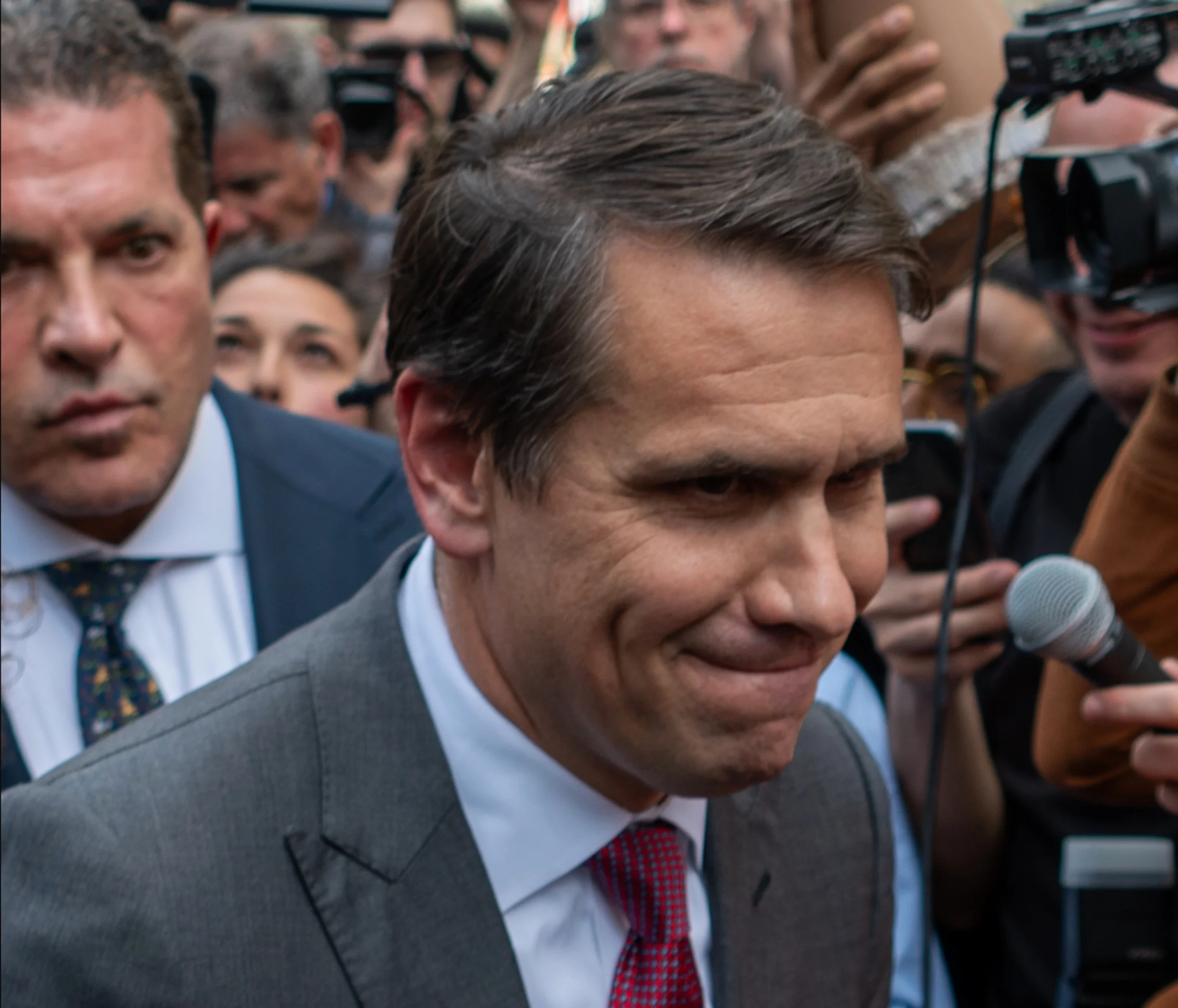
From Denver to the Justice Department’s top floor
Blanche was born in Denver in 1974 and did not follow the typical Ivy‑League‑to‑Wall‑Street pipeline that defines many Washington power lawyers. He earned his undergraduate degree from American University and attended Brooklyn Law School at night while working as a paralegal at the U.S. attorney’s office in Manhattan, graduating near the top of his class.
He joined the U.S. Attorney’s Office for the Southern District of New York (SDNY), one of the country’s most prestigious prosecutorial shops, spending about eight to nine years there. According to his official biographies, Blanche served as co‑chief of SDNY’s White Plains division and handled a mix of white‑collar and violent crime cases, from tax and bank fraud to racketeering, narcotics and firearms offenses.
Colleagues from that period describe him as a diligent courtroom lawyer more than a headline‑seeking showman, a reputation that helped him land partnerships at major firms including WilmerHale and Cadwalader, Wickersham & Taft when he moved into private practice.
Trump’s lawyer in his stormiest legal years
Blanche’s national profile rose sharply when he crossed from prosecutor to defender of the 45th, and now again 47th, president. Starting in 2019, he defended former Trump campaign chairman Paul Manafort in a New York fraud case, persuading a judge to dismiss state charges that could have extended Manafort’s prison time even after federal convictions.
By 2023–2024, Blanche had become one of Trump’s go‑to criminal defense lawyers. Reuters notes he served as lead counsel in Trump’s New York hush‑money case, where the then‑former president was convicted on 34 felony counts related to payments to adult‑film actress Stormy Daniels. Blanche also represented Trump in two federal prosecutions brought by special counsel Jack Smith: the Washington election interference case and the Florida documents case over classified material at Mar‑a‑Lago.
While he could not prevent the Manhattan conviction, Blanche’s strategy of aggressive motions and delay helped push both Smith cases past the 2024 election, after which the new administration moved to abandon them. That record cemented his image, in Trump’s circle and among critics, as a loyal legal tactician willing to fight procedural battles to protect the president.
From defense table to deputy, and now acting attorney general
After Trump returned to the White House, he brought Blanche fully inside the government. The Senate confirmed Blanche as deputy attorney general in March 2025 on a 52‑46 vote, giving him day‑to‑day oversight of Justice Department operations and more than 115,000 employees.
In an unusual twist, Trump also tapped Blanche to serve as acting Librarian of Congress in 2025, a dual appointment that legal scholars questioned as stretching the spirit, if not the letter, of federal vacancies law. Conservative legal groups nonetheless praised Blanche as a “serious lawyer” who knows both the prosecutorial and defense sides of the system.
On April 2, 2026, with little public warning, Trump fired Attorney General Pam Bondi amid anger over her handling of Jeffrey Epstein‑related documents and the collapse of several politically charged prosecutions. In the same breath, the president announced that Blanche would become acting attorney general, calling him a “very talented and respected legal mind” and thanking him for his “tremendous work” as deputy.
Blanche responded on X that he was “honored by the President’s trust and the opportunity to serve” and promised that the department would “do everything in our power to keep America safe.”
A résumé that blends independence and loyalty
Supporters point to Blanche’s mixed résumé, SDNY prosecutor, big‑firm partner, Trump defense lawyer, deputy AG, as evidence he can manage the Justice Department’s sprawling portfolio while understanding the president’s expectations. As a prosecutor, he brought complex financial and corruption cases; as a defense attorney, he challenged the government from the outside; as deputy AG, he has already been inside the building, overseeing components from the FBI to the Bureau of Prisons.
His critics see something different: a pattern of proximity to Trump that raises conflict‑of‑interest questions now that he oversees investigations that could touch the president’s allies or enemies. The New York Times notes that Blanche “became the attorney that President Trump repeatedly relies on during critical moments,” representing him in three of the four criminal cases he faced and then moving straight into a top Justice Department role once Trump returned to power.
Good‑government advocates warn that the line between client and country risks blurring when a former personal attorney runs the department ostensibly charged with independent law enforcement. Blanche’s defenders counter that his prosecutorial background and Senate confirmation as deputy AG show he can separate past representation from current obligations.
What Blanche’s appointment means for Justice
In practical terms, Blanche’s elevation is likely to influence three broad areas: politically sensitive investigations, department morale and the search for a permanent attorney general.
- Politically charged cases: As acting AG, Blanche will have final say over prosecutions involving Trump’s rivals and allies, including any renewed efforts related to figures who were central in his earlier defense work. Given his track record of aggressive delay and procedural combat, legal analysts expect him to scrutinize, and possibly rein in, cases seen as politically risky for the White House.
- Department culture: Career officials, already rattled by Bondi’s firing, will look to see whether Blanche backs prosecutors’ judgment or pushes them toward more overtly political priorities. His SDNY roots may give him credibility with line attorneys; his Trump ties may make some wary.
- Long‑term leadership: The White House has signaled that Blanche is under consideration to be nominated as permanent attorney general, though Trump is also said to be weighing other loyalists, such as EPA chief and former congressman Lee Zeldin. If Blanche is formally nominated, his confirmation fight would become a proxy battle over how far Trump can go in reshaping the Justice Department along his own lines.
For now, Blanche’s mandate is to steady the department after a dramatic ouster at the top while aligning it more closely with the president’s agenda. How he balances those tasks, and how often he has to recuse himself from matters tied to his former client, will determine whether his name is remembered as a stabilizing force or as another step in the politicization of American law enforcement.