
The global airline industry is taking extraordinary steps to protect passengers and crew as tensions escalate and militarized assaults by the United States in part related to threats from Iran, have forced airlines to push all commercial aircraft to reroute flights and avoid airspace over large areas in the Middle East.
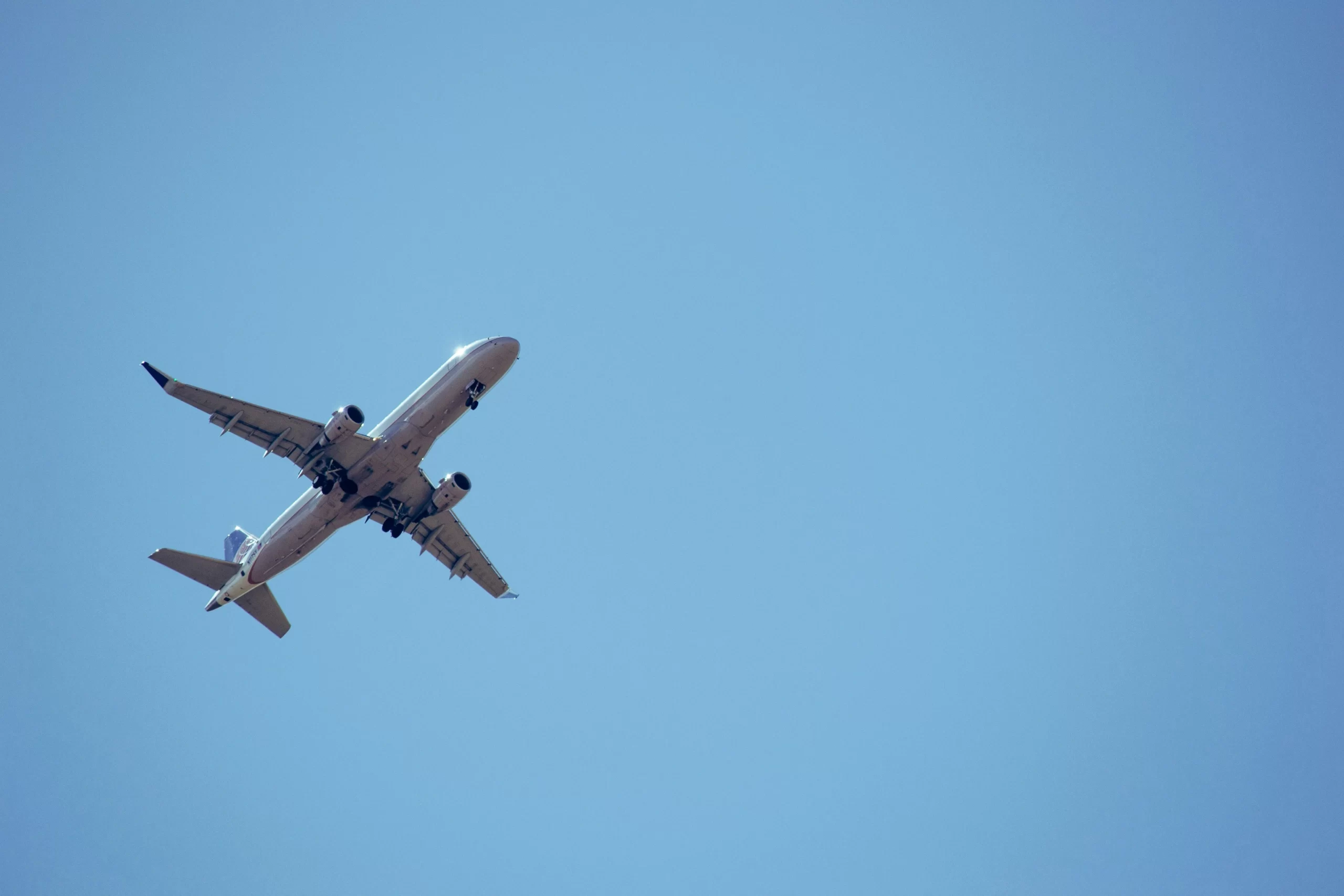
The current crisis instigated by US attacks on Iranian nuclear facilities and threats of retaliation puts commercial aviation in extraordinarily high-risk territory and carriers are now treating airspace over Iran, Iraq, Syria, and Israel like a restricted area.
Consequently, the phrase “Airlines reroute flights as US-Iran conflict poses risks to Middle East skies” was the signature headline for international travel in June 2025.
Immediate Effects on Flight Operations
As a result of U.S. military actions against Iran’s nuclear sites in late June, many airlines (including United, American, Lufthansa, Emirates and Singapore Airlines) have canceled or diverted flights across this region, including Israel.
Current flight data on FlightRadar24 shows no commercial aircraft are operating in the airspace above Iran, Iraq, Syria or Israel. Airline have been rerouting through the region either north above the Caspian Sea or south through Egypt and Saudi Arabia.
Any area north of Israel or west or south will help reduce risk from an unintended or intentional missile attack, however, this has costs with longer flight times, more fuel and operational costs.
Suspended Services and Stranded Passengers
The debacle has inspired some airlines to suspend service to some major Middle Eastern destinations. American Airlines has suspended service to Qatar, while United Airlines has suspended service to Dubai.
British Airways and Singapore Airlines have canceled service to both Dubai and Doha and based their decision on security evaluations. El Al, Arkia, and Israir, which are national carriers for Israel, have suspended commercial flights and rescue flights through at least June 27th, leaving tens of thousands of people in a stranded situation.
The Israeli Ministry of Tourism is attempting to assist people in departing from their orientation, but for many passengers that means whether in Amman or boarding a ferry to Cyprus.
Increased Risk and Industry Alerts
Risk management organizations for aviation have issued difficult decisions for airlines who fly in or near the area. Overall, there has been no apparent threats by Iran against civil aviation but the risk to US and allied aircraft has increased significantly. “While not directly threats against civil aviation, Iran has threatened retaliation by attacking US military interests in the Middle East.
This could be done either directly or through proxy groups like Hezbollah.” Safe Airspace continued, “and it’s known we have recently seen missile/drone attacks in multiple conflict zones.” Therefore, rerouting, albeit expensive, is a solid safety strategy.
Human and Economic Consequences
The ramifications of the airlines reroute flights as the US-Iran conflict poses problems for Middle East air travel have been felt well beyond the airline industry.
Travelers have been faced with delays, cancellations, and uncertainty as they work to change their travel plans.
For airlines, the financial damage is increasing with rising fuel costs and operational challenges to their already slim profit margins.
On a larger scale, the global economy is also under the threat of potential hikes in oil prices creating higher prices for jet fuel and by extension, the cost for other commodities.
Global Response and Evacuations
Governments globally are mobilizing their resources to aid their citizens. Japan’s foreign ministry has already evacuated 21 people, including 16 Japanese citizens from Iran to Azerbaijan, overland and they plan to do more if necessary.
New Zealand has said they are deploying a Hercules military transport aircraft to the Middle East to stand by for the evacuation of their citizens.
These actions reinforce the seriousness of the situation and the commitment of the international community to get their citizens to safety in the event they are stuck traveling during the crisis.
As long as the US-Iran conflict continues to unfold, the airspace across the Middle East remains off-limits for commercial airlines. Airlines are watching this situation develop, re-routing planned flights and not being very creative to restore them particularly in the Middle East, after all, airlines prioritize safety above all else.
For now, “Airlines reroute flights as US-Iran conflict poses risks to middle east skies” is a fitting description of the new travel and aviation safety reality for passengers — cautious, uncertain and hoping the crisis can be resolved as soon as possible.