Several dozen countries have signaled they will join Donald Trump’s new “Board of Peace,” but many traditional U.S. allies are holding back or have explicitly declined, underscoring how divisive the project has become for the global order.
Early sign‑ups are concentrated in parts of the Middle East, Eastern Europe, and the Global South, while key European governments are warning that the board risks undercutting the United Nations rather than reinforcing it.
Who has joined Trump’s “Board of Peace” so far
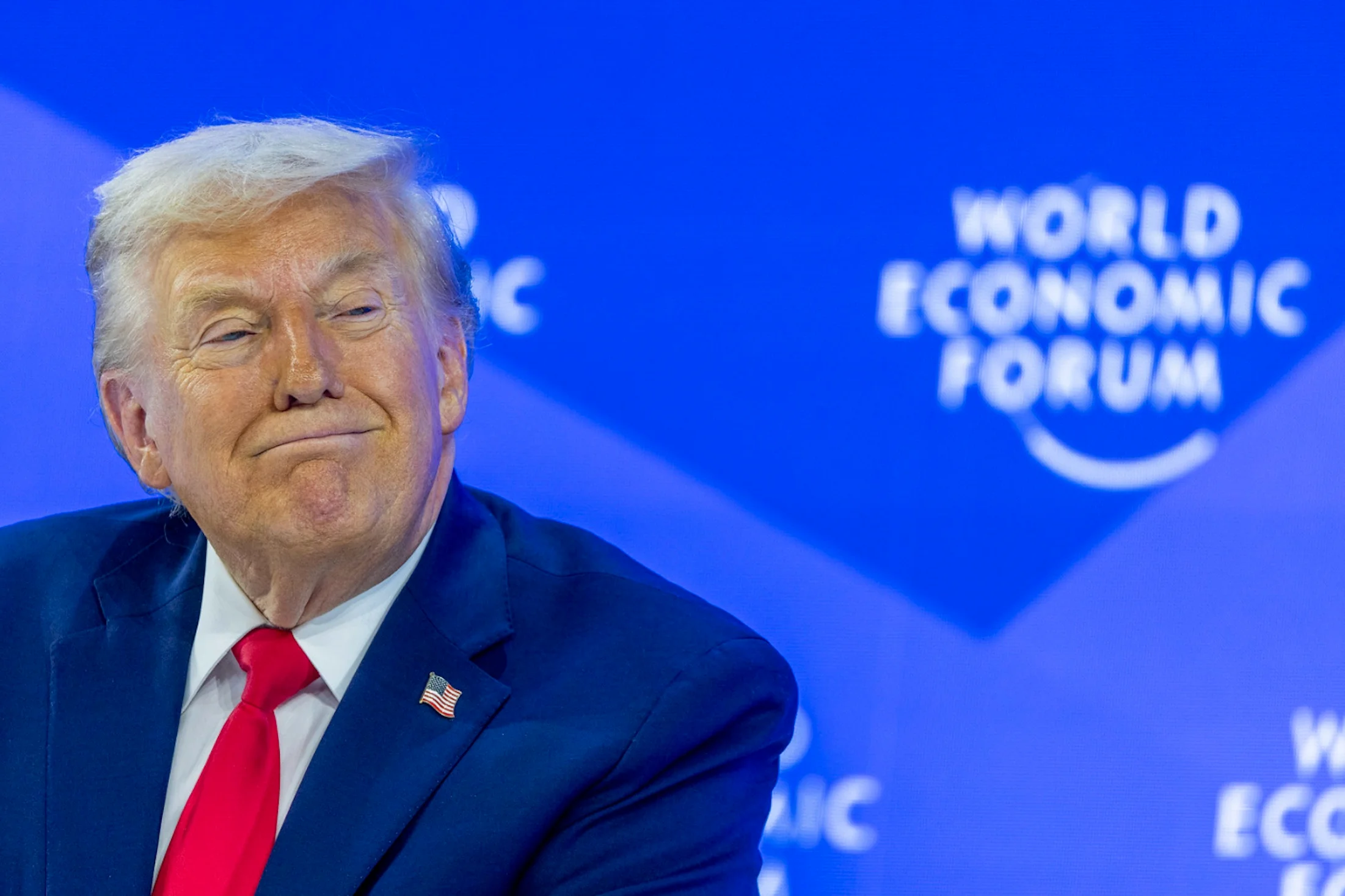
Trump unveiled the “Board of Peace” at Davos as a flagship vehicle to oversee Gaza’s reconstruction and, ultimately, to weigh in on conflicts far beyond the Middle East. The initiative offers membership to governments willing to sign a charter and, in some cases, discuss contributions reportedly reaching into the hundreds of millions or even a billion dollars for a permanent seat, with Trump serving as lifelong chair.
According to public statements and media tallies, roughly 30 to 35 countries have either signed up or announced that they intend to participate in the board’s early work. The emerging core is a mix of Middle Eastern powers, pro‑Trump allies and several Global South governments that see an opportunity to gain leverage in the Gaza file and beyond.
Early sign‑ups: Middle East, Eastern Europe, and Global South
Reporting from public broadcasters and major outlets points to a loose first wave of governments that have publicly committed to the board or its foundational Gaza mission. Lists differ slightly by outlet, but several names recur:
- Middle East and North Africa: Israel, Turkey, Egypt, Saudi Arabia, Qatar, the United Arab Emirates and Morocco have all been cited among early or likely participants in the board’s Gaza‑focused mandate. These governments see both risk and influence in sitting at a table that will help decide reconstruction funding, security arrangements and future governance in Gaza.
- Trump‑aligned and regional partners: Hungary, led by Prime Minister Viktor Orban, has been described as one of the clearest early acceptances after invitations went out to about 60 capitals. Other governments flagged by various reports as joining or signaling intent include Belarus, Azerbaijan, Kazakhstan, Albania, Vietnam, Jordan, Indonesia, Pakistan, Uzbekistan, Kosovo and some additional states in Eastern Europe and Central Asia.
- Latin America and other invitees: Argentina under President Javier Milei has been cited among leaders close to Trump who are “coming on board,” though many details remain fluid. Several other capitals in Latin America, Africa and Asia have acknowledged invitations but have not yet clarified whether they are signing the charter, simply attending meetings, or offering support in principle.
Even among countries named as “signatories” or “participants,” the level of legal commitment is not uniform. Some governments speak of supporting a Gaza‑specific mandate backed by a UN resolution, while hedging on a broader, open‑ended peace body chaired personally by Trump.
Who is not joining – at least for now
If early joiners map a new circle of states willing to experiment with Trump’s model of branded multilateralism, the holdouts underscore how controversial that experiment is. Several prominent European governments and Western partners have either ruled out participation or frozen the file amid legal and political concerns.
Explicit refusals
Al Jazeera and other outlets report that at least four to five European countries have publicly declined to join the Board of Peace.
- France has said the board’s charter does not line up with relevant UN resolutions on Gaza and warned that elements appear to contradict the UN Charter itself. Paris has signaled that it will not take part, casting the initiative as a “dangerous interference” in the international order.
- Norway has also declined, citing “numerous questions” about the proposal, and raising concerns over the board’s structure and its implications for existing multilateral frameworks. Norwegian officials have faced added friction with Washington over unrelated Arctic and security issues, further complicating the political calculus.
- Sweden and Slovenia have been reported among the governments that will not join, with leaders warning that the board could undermine the UN’s authority and blur lines between peacebuilding and great‑power politics.
Hesitation from key US allies
Beyond clear refusals, several traditional U.S. allies are holding off, sometimes with carefully calibrated language.
- Some European governments say parliamentary approval would be required for any binding commitment, and that current drafts of the charter raise constitutional questions. Italy’s prime minister, for example, has publicly described “legal complications” while stressing that Rome remains “open” in principle.
- Canada has indicated support “in principle” for the Gaza mission but has not confirmed full, long‑term membership in a broader Trump‑chaired peace body. Other G7 partners, including the United Kingdom and Germany, have either stayed vague or limited their comments to backing UN‑mandated aspects of the initiative.
- Russia, China, and several other major powers have reportedly received invitations but have not publicly declared whether they will join, underscoring how carefully capitals are reading both the charter and domestic opinion.
Why the map is splitting
For supporters, the Board of Peace is a chance to sit close to a US president who promises faster deals and more money for reconstruction than the UN typically musters. For skeptics, it looks like a parallel structure that may dilute international law and empower a small circle of leaders around Trump at the expense of existing institutions.
Diplomats interviewed across multiple outlets warn that the board’s Gaza mandate, which some UN resolutions have endorsed in narrow terms, is already being stretched toward a much broader remit. Critics argue that the charter’s expansive language, Trump’s lifetime chairmanship and the steep membership “contributions” blur the line between a peace fund, a political club, and a rival security forum.
That tension leaves many governments trying to walk a fine line: close enough to influence decisions on Gaza and future crises, distant enough not to be seen as endorsing a “Trump United Nations,” as one European diplomat put it. The longer key democracies and major powers stay out, the harder it may be for the Board of Peace to claim global legitimacy, but if more conflict‑affected states sign up, Trump’s experiment in personalized multilateralism will still shape the next chapter of peace diplomacy, whether the UN likes it or not.