NEW YORK — Google is preparing to formally showcase Googlebook, a new category of laptops built on Android technology, at an in-person media event in New York City on Sept. 15, according to event invitations and reports from technology publications.
The event is expected to include a keynote from Google leadership, demonstrations of the platform’s software features, and hands-on access to the first generation of Googlebook hardware from the company’s manufacturing partners.
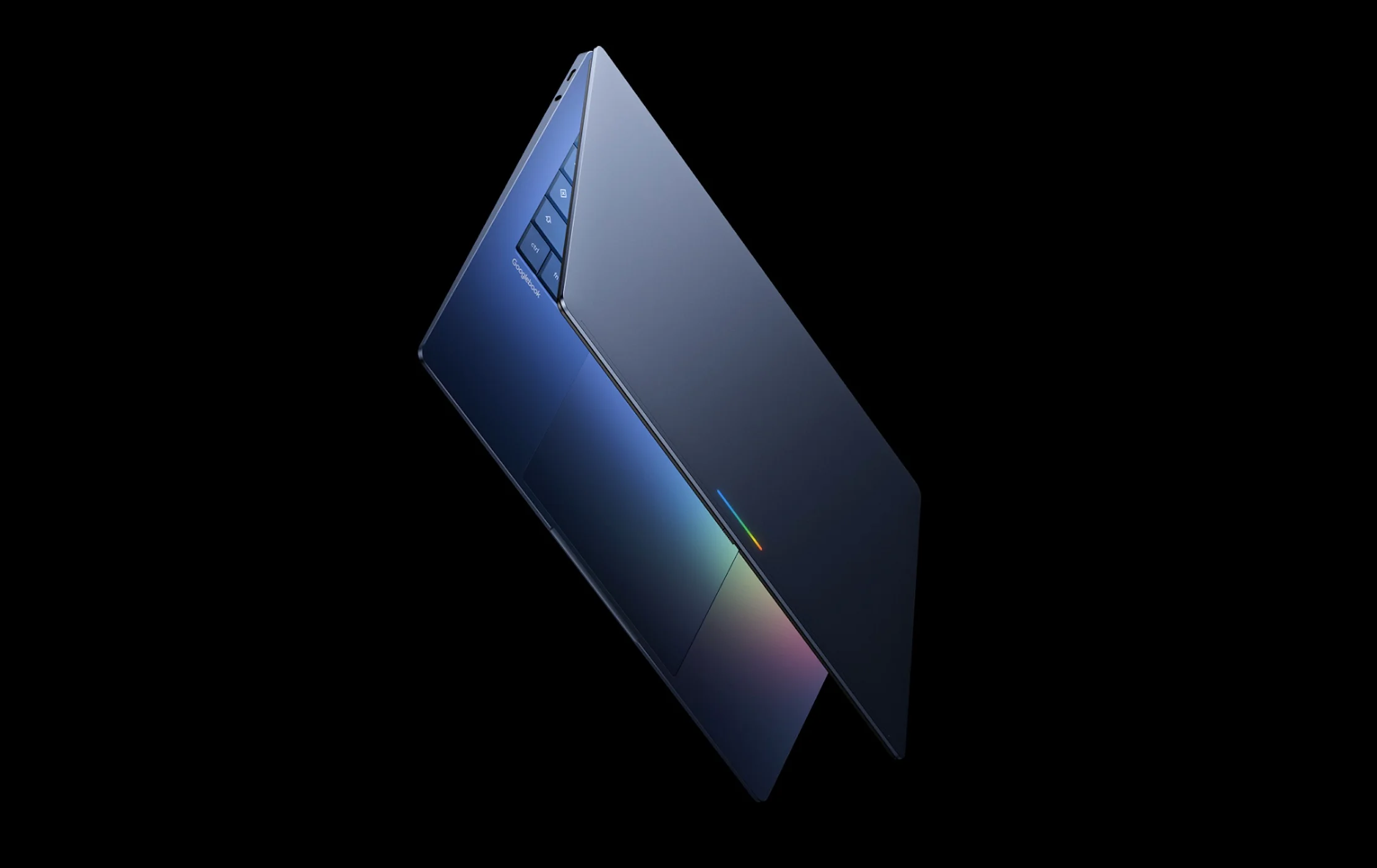
Googlebook represents one of Google’s most consequential efforts to reshape personal computing since the introduction of ChromeOS and Chromebooks. The new platform is expected to bring together the web-first productivity approach associated with ChromeOS and the Android software stack that powers billions of smartphones, tablets and other devices.
Google has not publicly detailed every technical element of the operating system or announced specific laptop models. But the Sept. 15 showcase is expected to offer the clearest public look yet at the company’s strategy for Android-based personal computers.
The event comes at a critical moment for Google. Personal computers remain essential for work, school, software development and creative production, but the market is changing rapidly as artificial intelligence becomes embedded into operating systems and as users expect devices to move more smoothly between phones, tablets and laptops.
Googlebook is designed to answer a long-running question: can Google create a laptop platform that combines ChromeOS simplicity, Android’s enormous app ecosystem and Gemini-powered AI tools in a way that can challenge Apple’s MacBooks and Microsoft’s Windows PCs?
What is Googlebook?
Googlebook is the name Google has given to its forthcoming premium-laptop platform. Google first announced the concept in May, describing it as a new class of computing devices built on Android technology.
The project is expected to differ from the Chromebook line, which has traditionally run ChromeOS, a web-focused operating system centered on the Chrome browser, cloud services and Android-app support.
Googlebooks are expected to run an Android-based platform more directly. The aim is to allow laptop users to access native Android applications and a familiar mobile software environment while retaining the larger-screen productivity features required for keyboard-and-trackpad work.
The company is expected to explain the new platform’s software architecture during the Sept. 15 event. Technology reports have referred to the underlying system by the unofficial name “Aluminium OS,” based on leaks and code references. Google has not confirmed that name publicly, and the event may reveal the official branding.
For consumers, the technical distinction may matter less than the experience. Google will need to show that Googlebook can offer a polished laptop interface, strong multitasking, reliable peripherals, robust security, long battery life and the software flexibility that users expect from Windows and macOS.
For developers, the central issue will be whether native Android code can scale effectively to laptop displays, desktop-style windows, keyboards, mice and external monitors without creating a fragmented or awkward application experience.
The Sept. 15 event
Google has invited members of the technology press to a Googlebook media preview in New York City on Tuesday, Sept. 15. The reported agenda includes a keynote from Google leadership, product demonstrations by original-equipment manufacturer partners and a media sandbox where reporters can use, photograph, film and benchmark the initial devices.
The event’s hands-on format is notable. A keynote can present a vision, but real-world testing is where new computer platforms face their first serious scrutiny. Media reviewers will likely examine hardware build quality, performance, keyboard and trackpad design, display quality, battery life, app behavior and the role of Gemini AI tools.
The presence of partner demonstration stations suggests Googlebook will not launch with one Google-branded device alone. Instead, Google is expected to use a multi-manufacturer strategy similar to its approach with Android phones and Chromebooks.
Acer, Asus, Dell, HP, and Lenovo have been identified as the first hardware partners expected to build Googlebook devices.
That list matters because each company has a different position in the personal computer market. Lenovo has broad reach in consumer, education, and business laptops. HP and Dell have deep corporate and enterprise relationships. Asus has a reputation for gaming, thin-and-light designs and enthusiast products. Acer has long competed in value-oriented and education-focused computing.
If those companies bring Googlebook systems to market across different price points and designs, Google could quickly establish a broader hardware ecosystem than a single-product launch would allow.
Why Google is moving beyond ChromeOS
ChromeOS helped Google establish a strong position in education, particularly in the United States, where low-cost Chromebooks became common in schools. The platform’s simplicity, web-first design, central administration tools, and relatively low hardware costs made it attractive to school districts.
ChromeOS has also had its limits. It has had trouble gaining the same traction with higher-end consumers, developers and professional users who want complex desktop apps, offline processes, advanced creative tools or specialized enterprise software.
Android, meanwhile, has become the world’s dominant mobile operating system. It supports a vast ecosystem of apps, services, and developers. But Android has never established itself as a full-scale laptop operating system in the way Windows, macOS and ChromeOS have.
Googlebook appears to be an attempt to bridge those two histories.
The company’s broader strategy is likely to emphasize a unified Google experience across devices. An Android-based laptop could work more naturally with Android phones, Google Messages, Google Photos, Drive, Chrome, Workspace and Gemini. It could also give developers a clearer path to building applications that move across phones, tablets, foldables, and laptops.
The potential is substantial. A user could start writing an email on a phone, continue on a Googlebook laptop, use Gemini to summarize documents and access the same Android app ecosystem across all devices.
But Google has attempted parts of this vision before. Android tablets, ChromeOS Android-app support and various cross-device features have achieved mixed results. The company must demonstrate that Googlebook is more than a rebranding exercise or a partial merger of two existing platforms.
Gemini and the AI laptop race
Artificial intelligence is likely to be central to the Sept. 15 presentation.
Google has increasingly integrated Gemini AI across its products, including search, Android phones, Workspace applications and the Pixel ecosystem. A new laptop platform gives the company another opportunity to make Gemini a foundational part of personal computing.
Potential uses include writing assistance, document summarization, live translation, image creation, coding support, search, task automation, and contextual help across apps. Google may also emphasize on-device AI processing for faster performance and improved privacy, though it has not provided full details about Googlebook hardware requirements or AI architecture.
Googlebook enters a market already crowded with AI laptop claims. Microsoft has promoted Copilot+ PCs, Apple has integrated Apple Intelligence across Macs and other devices, and manufacturers have released laptops with neural-processing units designed to handle certain AI tasks locally.
The challenge is to show practical value. Consumers are unlikely to buy a laptop solely because it has an AI assistant. Google will need to show that Gemini makes tasks faster, easier or more useful without creating privacy risks, confusing interfaces, or unwanted automation.
The company also faces competition in the ecosystem. Microsoft remains dominant in business PCs, while Apple has a strong position in premium laptops and a deeply integrated hardware-software model. Googlebook must offer a reason for users to consider a third major computing environment.
The hardware question
Google has not yet publicly confirmed the specifications of first-generation Googlebooks. Leaks and industry reports suggest that models from Lenovo, Acer and Asus may be among the initial devices, but exact configurations, prices and release dates remain unconfirmed.
The expected range of devices could be important. Googlebook will need systems suitable for students, casual users, professionals, and perhaps developers. That may mean low-cost laptops, premium ultrabooks, convertible devices, and possibly more powerful models designed for creative or technical work.
Hardware quality will matter because Googlebook is entering a mature market. Laptop buyers already have established expectations around display resolution, battery endurance, keyboard comfort, port selection, weight, build materials and performance.
The platform will also need to support external displays, printers, storage devices, cameras, headsets, and other peripherals smoothly. ChromeOS has improved in those areas over time, but professional users will judge Googlebook against Windows and macOS rather than against older Chromebooks.
The media benchmark sessions planned for the event may provide early evidence of how the devices perform. Reviewers are likely to test application launch speeds, browser responsiveness, multitasking, battery consumption, thermal performance, and the behavior of Android apps in laptop-style windows.
The app challenge
Googlebook’s success may ultimately depend on application quality.
Android has millions of apps, but many are designed primarily for phone screens and touch-based interaction. A laptop requires more: keyboard shortcuts, window resizing, multi-pane layouts, mouse and trackpad support, file management, and reliable operation on large displays.
Google has been encouraging developers to create adaptive apps that work across screens of different sizes. Googlebook could increase the incentive by giving developers a new category of devices and a larger potential audience.
But the company must avoid a common weakness of tablet and hybrid platforms: apps that technically run but feel like stretched phone interfaces.
The Sept. 15 showcase may include demonstrations of native applications optimized for larger displays, including productivity tools, creative software, games, and Google Workspace services. The presence of hardware partners suggests Google will want to show a broad, ready-to-use platform rather than a developer project still in progress.
For enterprise users, the app question is even more demanding. Companies rely on specialized software, security tools, device-management systems, and legacy applications. Googlebook may initially target consumers and education rather than trying to displace Windows in corporate environments immediately.
What to watch for
The Sept. 15 event should answer several important questions:
- What is the official name of the Googlebook operating system?
- Which manufacturers will release the first devices?
- What prices and release dates will be announced?
- How does the platform differ from ChromeOS?
- Which Android apps are optimized for laptop use?
- How deeply is Gemini integrated into the operating system?
- Will Googlebooks support on-device AI processing?
- How will Google handle updates, security, and enterprise management?
- Can the platform work well offline and with external peripherals?
- Will existing Chromebook users have an upgrade path?
The event is expected to be a preview rather than a full retail launch, meaning some questions may remain unanswered until devices reach reviewers and consumers.
Still, the Sept. 15 showcase will be a defining moment for Google’s computer strategy. Googlebook is not simply another laptop announcement. It is an attempt to redefine how Android fits into the world of personal computing.
If Google can combine the simplicity of ChromeOS, the app availability of Android and the usefulness of Gemini AI, it could create a credible new competitor in the laptop market. If it cannot, Googlebook may become another example of the difficulty of turning mobile software into a full desktop platform.