
The advent of 5G technology is a milestone in the history of global communications, and it will revolutionize device-to-device, people-to-people, and business-to-business communication. 5G has reached a global tipping point by 2025, with more than 2.25 billion connections across the world and adoption rates increasing four times as fast as for earlier generations.
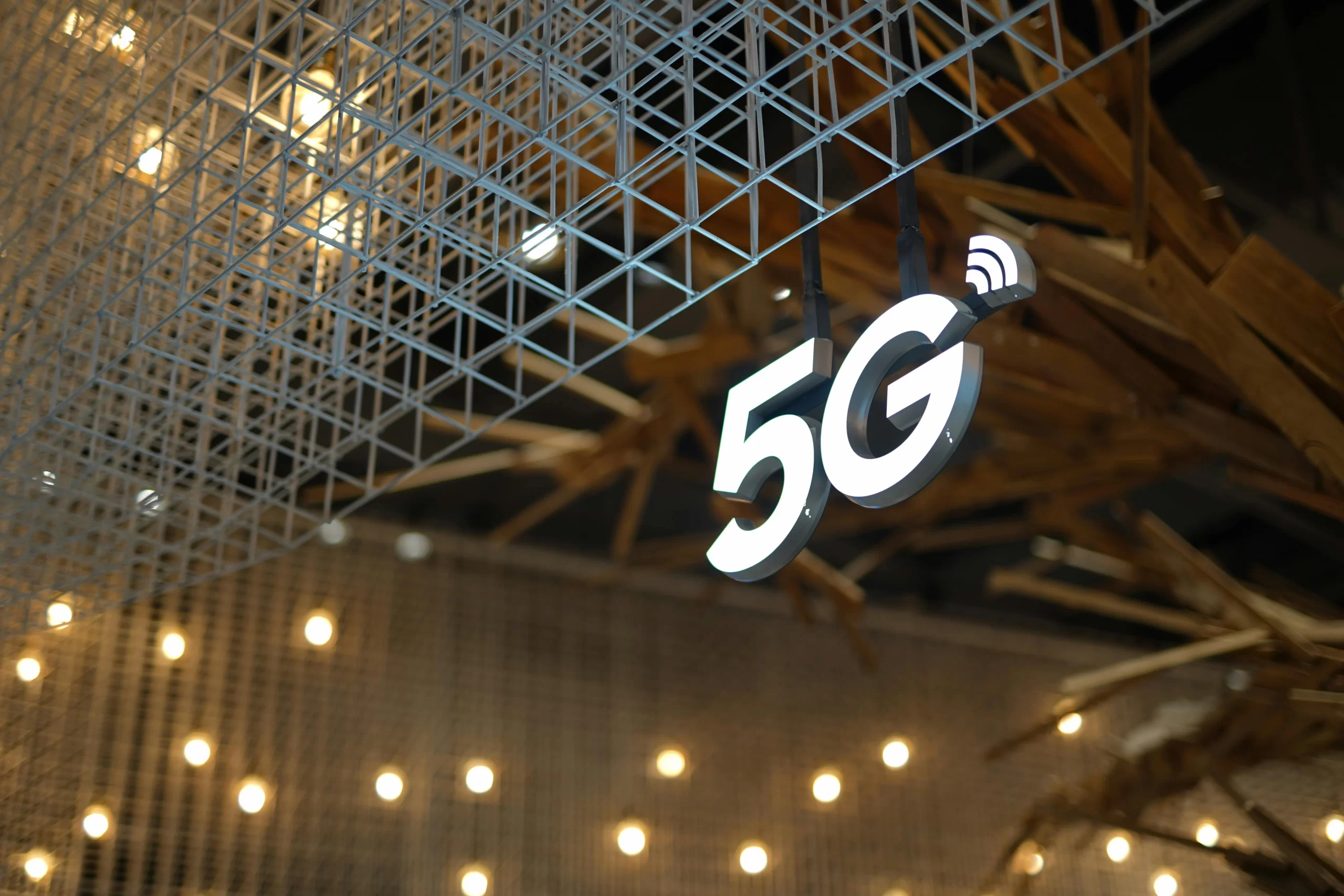
This is not just quicker internet; it’s the start of a new era of interconnectedness, innovation, and economic development.
Lightning speed and connectivity beyond imagination
5G is also famous for its speed and is 100 times quicker than 4G. This enables people to download high-definition movies in seconds and stream ultra-HD video seamlessly.
Its very low latency, as low as 1 millisecond, enables real-time applications that were not available before, such as remote surgery, self-driving cars, and interactive augmented reality.
The technology also enables millions of devices per square kilometer, allowing the development of the Internet of Things (IoT) and smart city infrastructure.
Transforming Industries and Daily Life
5G will transform much more than just the manner in which people use their phones. 5G makes businesses more efficient by facilitating greater automation, edge computing, and real-time analytics. It also facilitates new business models.
For example:
• Healthcare: 5G makes telemedicine, remote diagnostics, and even robotic surgery all feasible by making connections fast and reliable with little to no lag.
• Manufacturing: Manufacturing facilities use 5G to automate factories, perform predictive maintenance, and possess versatile production lines. This makes them more productive and less expensive.
• Agriculture: 5G sensors provide precision agriculture with real-time data for more effective crop management, such as remote areas that are hard to reach.
• Logistics: 5G’s high connectivity allows real-time tracking of inventory, use of autonomous vehicles, and creating smart warehouses.
Granting power to the government and emergency responders
Private 5G networks transformed the functioning of the federal government and the management of emergencies. The networks can be quickly deployed in disaster-hit areas or on the battlefield. They create secure bubbles of communication that allow people to connect instantly, share resources, and move around unrestricted in regions devoid of technology.
Network slicing and eSIM management are two capabilities that allow significant individuals and coalition members to receive secure, priority access.
Economic and market growth
5G has a significant impact on the economy. Between 2021 and 2025, the technology will generate as much as $2.7 trillion in new sales across major industries within the United States alone. The 5G technology will be one of the contributors to such growth. The global market for 5G infrastructure is projected to be valued at $590.18 billion by the year 2032. This shows just how powerful the technology is and how widespread it will be applied.
Problems and trends for the future
5G is promising, yet it has concerns including high infrastructure costs, spectrum, and cybersecurity issues. But evolving technologies like open radio access networks (Open RAN), network slicing, and ultra-reliable low latency communications (URLLC) are driving more usage and innovation.
5G technology is transforming the way human beings are able to communicate with each other through offering hitherto unseen speeds, ultra-low latency, and the ability to support several devices at once. 5G is the pillar of the connected future as it influences various industries, enhances life, and boosts the economy.