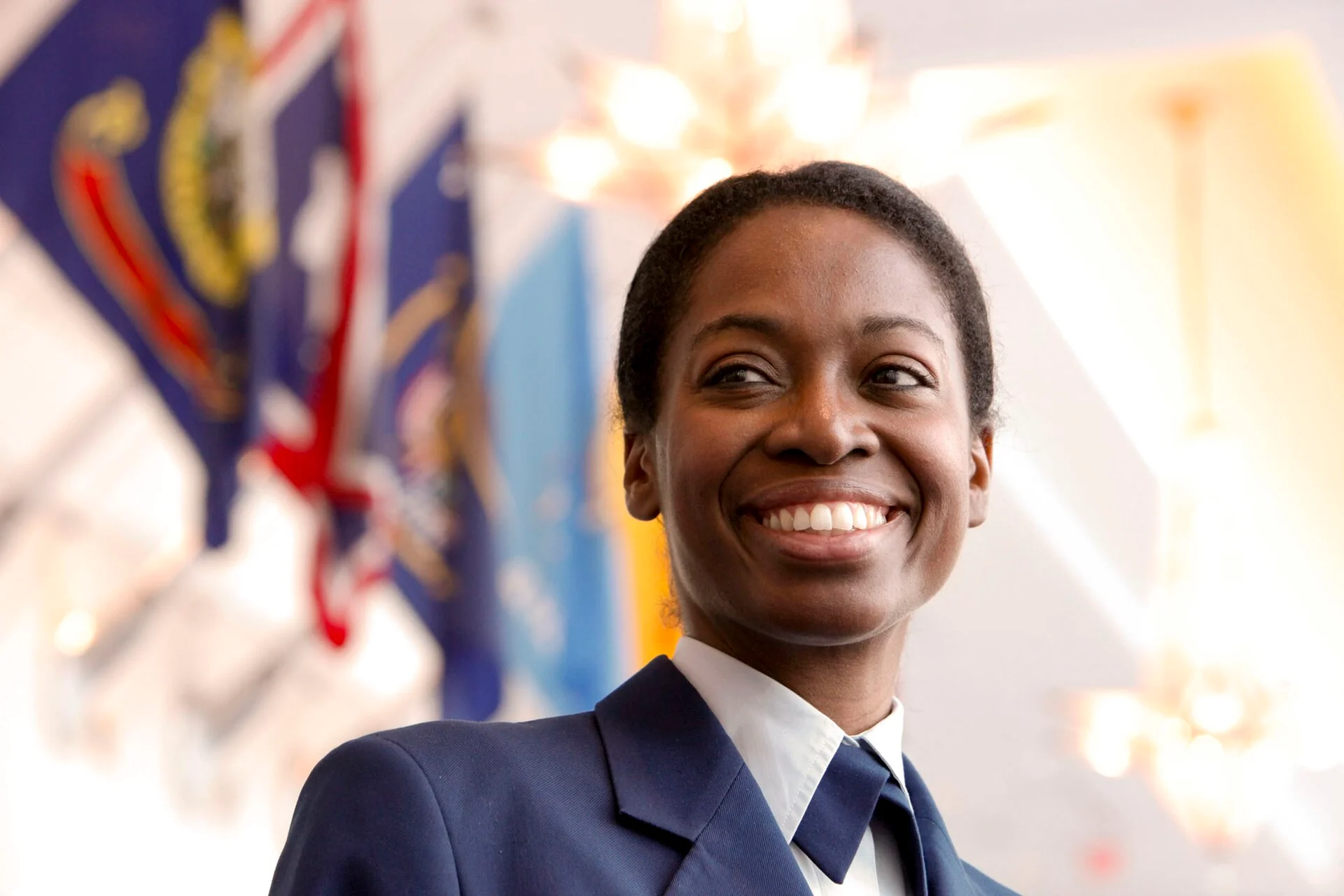
Erica Schwartz, a retired Coast Guard rear admiral and former U.S. deputy surgeon general, is President Donald Trump’s nominee to lead the Centers for Disease Control and Prevention, a choice many health experts see as a conventional pick aimed at stabilizing a battered agency. A preventive‑medicine physician with medical, law and public‑health degrees, she would bring a mix of military, federal and private‑sector experience to the CDC at a time of strained morale, political scrutiny, and ongoing outbreaks.
The nomination and what’s at stake
Trump announced Schwartz’s nomination on April 16, saying she would help restore what he called the CDC’s “Gold Standard of Science” after a period of leadership turmoil and public‑trust erosion. The director’s post has been vacant since the dismissal of Susan Monarez last year, and interim leadership has cycled as the agency confronted legal battles over vaccine rules and a gunman’s attack on its Atlanta campus.
Reuters reports that Schwartz is viewed in Washington as a “conventional” choice compared with some earlier Trump‑era health appointments, notably because she has no public record of opposing vaccines and is board‑certified in preventive medicine. If confirmed, she would take charge of an agency responsible for monitoring public‑health threats worldwide at a time when measles outbreaks, pandemic aftershocks and funding cuts have strained its capacity.
Her confirmation hearing before the Senate health committee is set for July 15, where lawmakers are expected to probe her views on vaccines, pandemic preparedness, and the CDC’s independence from political pressure.
Early life and education
Schwartz’s résumé reflects a hybrid of medicine, engineering, and law.
ABC News reports that she enrolled in Brown University’s eight‑year Program in Liberal Medical Education, earning a bachelor’s degree in biomedical engineering in 1994 and a medical degree in 1998. She went on to complete a Master of Public Health in 2000 at the Uniformed Services University of the Health Sciences, focusing on preventive medicine.
She later earned a law degree from the University of Maryland, adding legal training to her clinical and public‑health background. Colleagues point to that combination as a potential asset in navigating the complex legal and regulatory terrain surrounding vaccines, quarantine powers and health‑data privacy.
NPR’s profile describes Schwartz as a preventive‑medicine specialist whose early work as a military doctor emphasized readiness, prevention, vaccination, and early detection. Those themes now sit at the center of the CDC’s remit.
Military and public‑health service
Schwartz spent nearly a quarter‑century in uniformed public‑health roles.
She served first as an occupational‑medicine physician in the U.S. Navy, including an immunization‑clinic leadership post, before transferring in 2005 to the U.S. Public Health Service Commissioned Corps and the U.S. Coast Guard. Over time she held a series of medical leadership roles, ultimately becoming the Coast Guard’s chief medical officer in 2015.
In that role, she oversaw 41 clinics and 150 sick bays and was responsible for the health of all Coast Guard service members, according to the American Public Health Association and food‑safety industry coverage. She retired with the rank of rear admiral, a sign of senior standing within the Public Health Service.
During the first Trump administration, Schwartz rose to deputy surgeon general, serving from 2019 to early 2021 and helping lead the federal COVID‑19 response. ABC News reports that she played a central role in nationwide COVID‑19 vaccine deployment and served as the Health and Human Services Department’s point person during the transition between the Trump and Biden administrations.
Private‑sector roles
After leaving government in early 2021, Schwartz moved into private health care.
She became president of insurance solutions for UnitedHealthcare, a major health insurer, and joined the board of directors of Aveanna Healthcare, a home‑care provider. She also serves on the board of Butterfly Network, a medical‑imaging company known for handheld ultrasound devices.
Those roles give her experience on the payer and provider sides of the health‑care system, but they also raise conflict‑of‑interest questions. Reuters notes that Schwartz has pledged to resign from UnitedHealth and other board positions, sell health‑care‑related holdings and recuse herself from CDC matters involving former employers if she is confirmed.
For some senators and advocacy groups, how she manages those ties will be a key test of her commitment to insulating CDC decisions from industry influence.
Reputation among health experts
Major health organizations have reacted cautiously but positively.
The American Hospital Association welcomed the nomination, calling Schwartz “well‑trained and credentialed” and saying she “possesses the medical background and public health knowledge” to lead the CDC, while warning that the agency’s scale will require strong managerial skills. The group said it looks forward to working with her to ensure CDC remains guided by evidence‑based science.
Public‑health leaders quoted by NPR describe her as a serious, prevention‑focused doctor rather than a culture‑war figure, noting that she has not publicly aligned with anti‑vaccine or anti‑mask movements that reshaped pandemic politics. Reuters similarly calls her a “more conventional nominee” after a series of more controversial choices at CDC and other health agencies.
At the same time, they emphasize that she would be taking over a larger, more complex agency than any she has previously led, with responsibilities that range from infectious disease and chronic illness to environmental health and injury prevention.
Political context and CDC turmoil
Schwartz’s nomination comes after a bruising stretch for the CDC.
Over the past year, the agency has seen its Atlanta campus targeted by a gunman, faced lawsuits over changes to national vaccine policy and endured staff cuts and high‑profile departures. Acting leadership has rotated, and the agency’s standing as a globally respected public‑health authority has been dented by political fights and pandemic after‑action criticism.
CNN reports that Trump and his advisers wanted “someone who’s not crazy” in the role, a line that underscores both the political volatility around CDC leadership and the administration’s interest in a nominee who can reassure Congress and the medical community. Schwartz’s prior service under Trump, and her lack of public anti‑vaccine positions, made her an acceptable compromise for many in Washington.
Her nomination also intersects with ongoing debates over CDC’s authority to mandate vaccines, issue travel restrictions and manage future pandemics, issues likely to surface in her confirmation hearing.
What Senators are likely to ask
Schwartz will appear before the Senate Committee on Health, Education, Labor, and Pensions (HELP), where both parties are expected to press her on science, independence, and past pandemic decisions.
According to Reuters and NPR, likely lines of questioning include:
- How she would protect CDC’s scientific work from political interference
- Her stance on routine childhood vaccines and new immunization schedules
- Lessons she drew from the COVID‑19 response, including testing and communication failures
- How she plans to rebuild morale after staff cuts and threats
- How she will handle conflicts arising from her time in the insurance industry
Schwartz has signaled she will emphasize evidence‑based decision‑making and clear communication, echoing her past focus on readiness and prevention as a military doctor.
How she might lead the CDC
If confirmed, Schwartz would inherit a long list of immediate challenges.
The Washington Times notes that she would be stepping into the role as the CDC grapples with a mounting measles outbreak, ongoing legal battles over vaccine policy changes championed by Health Secretary Robert F. Kennedy Jr., and the task of rebuilding a workforce that has weathered “mass staff cuts, high‑profile departures and a gunman’s attack” on its campus.
Her background suggests she may prioritize:
- Preparedness and readiness, drawing on military doctrine to improve drills, stockpiles, and interagency coordination.
- Prevention and vaccination, consistent with her long‑standing emphasis on early detection and immunization programs.
- Operational discipline, using experience managing Coast Guard health services to bring more structure to CDC operations.
Whether she can also repair public trust, especially among communities skeptical of federal health guidance, will be one of the central tests of her tenure.
Erica Schwartz’s nomination signals a bet that a career preventive‑medicine doctor with military credentials and mainstream public‑health views can steady the CDC after years of upheaval. Her confirmation hearing will show whether senators agree that she is the right figure to navigate the agency through its next wave of crises.