
With centuries of tradition plus a wave of scientific interest in recent years, green tea is often discussed as a “miracle brew“, purported to fight cancer. So, what does the latest evidence in 2025 tell us? There are intriguing basics from preclinical lab findings to large population human trials, so the answer isn’t straight forward, but worth examining if you want useful and evidence-based information for cancer prevention and holistic wellness.
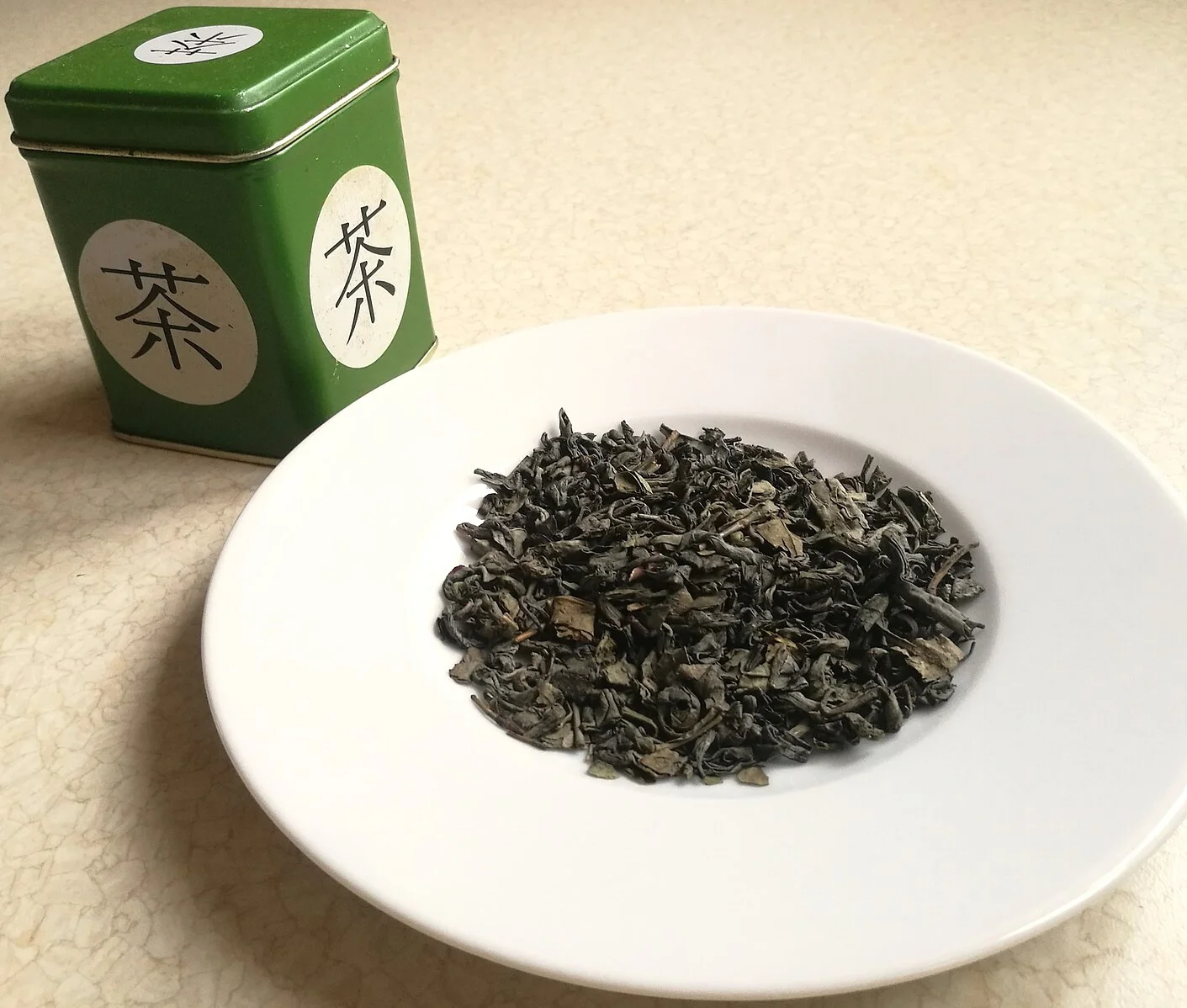
Green Tea’s Secret Weapons: Polyphenol & Catechins
Green tea’s anticancer hype is largely a result of its abundant polyphenol content, especially catechins like epigallocatechin-3-gallate (EGCG). Polyphenols are strong antioxidant compounds that neutralize oxidative free radical damage to cellular DNA – a major contributor to carcinogenesis. When looking at laboratory studies examining anticancer efficacy, EGCG acts to inhibit the growth of cancer cells, cause cell cycle arrest, and induce apoptosis (programmed cell death) in a variety of cancers like colon, breast, lung, and prostate cancers.
Laboratory & Animal Studies: Significant Potential
In vitro (test tube) and in vivo (animal) studies confirm that the bioactive components of green tea can inhibit tumor growth, decrease angiogenesis (which is blood vessel formation in a tumor), and alter gene expression related to cancer. A thorough review published in early 2025 concluded green tea polyphenols such as epigallocatechin gallate (EGCG), epicatechin gallate (EGCG), and theanine exert cancer fighting potential via elucidated mechanisms including STAT3 inhibition, inhibition of inflammatory enzymes, and antioxidant activity.
Animal studies do consistently demonstrate that green tea and even isolated EGCG can greatly suppress colorectal, breast, and other tumoral growth in rodents. Tumors in experimental animals receiving green tea polyphenols were smaller and had fewer blood vessels than control groups, lending credence to this ancient beverage’s potential anti-angiogenic effects.
Epidemiological Evidence: Encouraging, but Inconclusive
Human observational study and clinical trial evidence paints a more nuanced picture. Population studies, particularly in East Asia where green tea consumption is greatest, have observed correlations between higher green tea intake and lower risk of cancers, including colorectal, stomach, esophagus, and potentially breast cancer.
In a recent case–control study from Korea, participants with the highest tea consumption had significantly lower odds of developing colorectal cancer than those who drank the least.
Several randomized controlled trials of green tea extract supplements demonstrated a reduction in recurrence of colorectal adenomas (precancerous growths).
While there are many positive correlative results, other large studies (including a Cochrane review that examined more than a million participants) have all produced mixed results, including studies that were not statistically significant in showing a protective effect against cancer. There are also many challenges to addressing these inconsistencies as a result of different study designs (tea amounts, tea type, population differences, etc.).
Clinical Trials and Reviews: Important Nuance
The quality of evidence varies: the short duration of studies, small number of participants, and variable composition of green tea supplements prevents the ability to make definitive conclusions.
Some reviews found a slight reduction in cancer risk in people who regularly drink green tea, but note the need for long-term, well-controlled clinical trials to further understand these potential benefits.
Some groups, such as breast cancer survivors, have the potential to benefit the most, but there could be variable effects depending on type of cancer, genetic factors, and even gender.
How Much Green Tea May Be Helpful?
There are no official recommendations, but most observational studies suggest some positive benefit from drinking 3-5 cups per day. However, the scientists are careful to remind us that green tea in no way means replacing medical checkups, healthy balanced eating and any other health-promoting habits and recommendations from your medical doctor.
And in some cases, such as postmenopausal women or those sensitive to caffeine, too much green tea could lead to unwanted side effects, so moderation and checking with their health provider is best.
In Summary: Miracle or Good Habit?
The term ‘cancer fighting miracle brew’ does put it into a little bit of an exaggerated context, but it is certainly one of the most promising options considered if someone is looking to improve an overall sense of wellbeing and potentially mitigate the risk of some cancers.
- Strongest evidence available: Laboratory and animal studies show consistent anticancer benefits.
- Human benefit: Most likely colorectal and possibly breast, lung, and esophageal cancer. However, and likely due to large human population variations, the evidence remains conflicting.
- Best practice: If you enjoy green tea, drink it with the added benefit of a varied and plant-forward diet, but don’t treat it as a magic bullet for cancer treatment.
According to reviews by the National Institutes of Health, Cancer Research UK, and research published in peer-reviewed medical journals in 2025.
If you are thinking of trying green tea supplements or making big changes to your diet, consult your healthcare provider for personal advice.