
As global travel is returning and the impacts of climate change are increasing the areas where mosquitoes that carry disease can now be found, more and more health experts are sounding the alarm about escalating threats of Chikungunya.
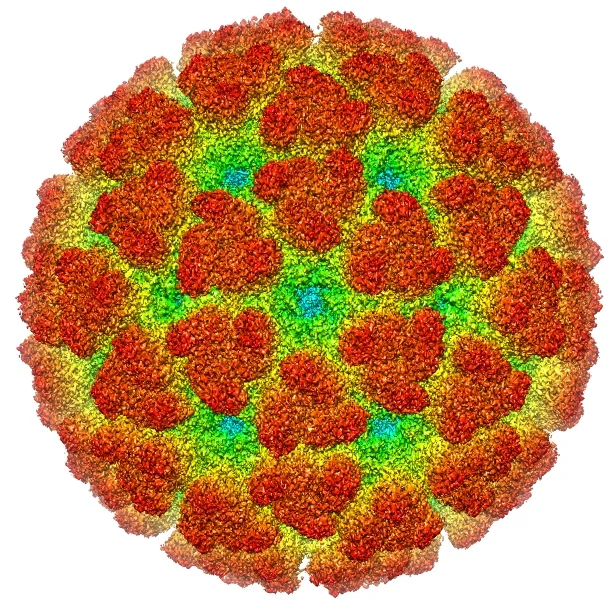
But what is the Chikungunya virus and why is global attention increasing?
According to the World Health Organization (WHO), the Chikungunya virus (CHIKV), is a mosquito-borne disease that can be transmitted to people when they are bitten by the Aedes aegypti and Aedes albopictus mosquitoes–the same mosquitoes that can transmit dengue and Zika disease.
Chikungunya virus was first identified in a 1952 outbreak in Tanzania; the word Chikungunya translates to “to become contorted” which refers to a stooped posture often seen in the most severely affected individuals due to pain in their joints.
While Chikungunya is no longer a new disease, it is spreading in more than 110 countries and understanding what the Chikungunya virus is–and the public health implications are important in our global society.
Signs and Symptoms / How the Virus Spreads
So, what is Chikungunya virus in the clinical sense?
According to the Centers for Disease Control and Prevention (CDC), signs and symptoms usually appear 3 to 7 days after the bite of an infected mosquito. Chikungunya typically is a very sudden onset of illness characterized by:
- High fever
- Severe joint pain, often debilitating.
- Muscle pain
- Headache
- Fatigue
- Skin rash
The joint pain is the defining feature of the illness, often persisting for weeks or even months in a subset of cases. The virus is rarely fatal; however, it can severely reduce quality of life, particularly in seniors and in people some medical vulnerabilities. Complications are rare and can include myocarditis, neurological syndromes, and chronic arthritis.
The virus is not transmittable from person to person, it is spread only via the bite of an infected mosquito. Outbreaks usually occur when there is strong rural mosquito population, poor drainage, and poor or limited access to effective mosquito control practices.
Chikungunya vs Dengue and Zika
Chikungunya is often mistaken for other mosquito-borne illnesses; however, Chikungunya is different from dengue and Zika in a number of important ways. As described by Johns Hopkins Medicine, all three may exhibit similar fever and rash-like symptoms, but Chikungunya causes more severe and long-lasting joint pain, dengue has bleeding complications, and Zika has neurological complications and congenital issues associated with it.
This makes differentiating between them very important especially in a situation of outbreak and multiple viruses may be present in the same area.
Areas at Risk and Global Distribution
Whereas in the past, climate change and increased international travel have contributed to an expansion of the geographical scope in which the virus has spread to areas that were previously unknown to be associated with the virus. Originally in parts of sub-Saharan Africa and Southeast Asia which were once the only reported regions of Chikungunya cases, the disease has now been report in locations in South America, Central America, southern Europe, and southern United States, as evidence by recent articles in service-related magazines (PAHO, 2024).
PAHO has also reported that in 2024 there were well over 225,000 confirmed cases in the Americas that included areas that have identified cases in Brazil, Paraguay, and Bolivia. In addition, recent reports have provided evidence of local transmission of Chikungunya virus in southern U.S. states including Florida and Texas and with this has come more public health warnings.
As Dr. Marta Vladimirov, virologist with The Lancet Infectious Diseases has stated that “the combination of warmer winters and increasing human mobility worldwide will facilitate the emergence of episodic surges of Chikungunya in non-endemic regions.”
Diagnosis, Treatment and Prevention
While there is no specific antiviral treatment or commercially available vaccine for Chikungunya, medical care is limited to supportive measures to achieve:
- Relief of joint and muscle pains with anti-inflammatory medications
- Rest and hydration
- Preventing any secondary infections
Laboratory tests that use blood samples can confirm the diagnosis with identification of the virus itself or antibodies in blood samples.
Prevention continues to be the primary tool for controlling the spread of Chikungunya. According to the World Health Organization, the best prevention methods to be used are:
- Eliminating mosquito breeding grounds like standing water in containers
- Wearing clothing that can protect the skin and applying repellents
- Windows with screens and sleeping with a bed net
- Community-based mosquito control programs.
Vaccine Development and Way Forward
There are a number of vaccine candidates in development, one of the more promising vaccines is the Valneva VLA1553 vaccine, which is under regulatory review in the United States and a number of countries in the EU. According to Nature Medicine, this new single-shot vaccine, had an excellent immune response as well as a favorable safety profile in Phase III clinical trials, making their approval date sometime in 2025.
If the VLA1553 vaccine is approved, it would be the first licensed vaccine against Chikungunya and it could help to decrease the burden of disease in areas where it is endemic.
Why Awareness is Critical
There is a need for public awareness with potential seasonal outbreaks, as no cure exists for Chikungunya. Being informed about what is Chikungunya virus and how to prevent its transmission is important and allows for people especially travelers to endemic regions and residents of subtropical areas to take proactive steps.
In the end, while Chikungunya does not carry the mortality rates of malaria or yellow fever, the disruption to lives and over burdening health systems it can create, on top of the ability it has to quickly spread throughout high at risk populations, makes it a threat.
Concluding Thoughts
What is Chikungunya? It is certainly more than just another mosquito-borne illness. It is a challenge at the confluence of global health, climate resilience, and community readiness. As mosquito-borne diseases increase, Chikungunya serves as a stark reminder of how innocent little vectors can create massive challenges—and the need to remain informed, prepared, and protected.