
Boniface Mwangi, a rights activist, is arrested by Kenyan police, raising concern about civil liberties in Kenya and angering the public.
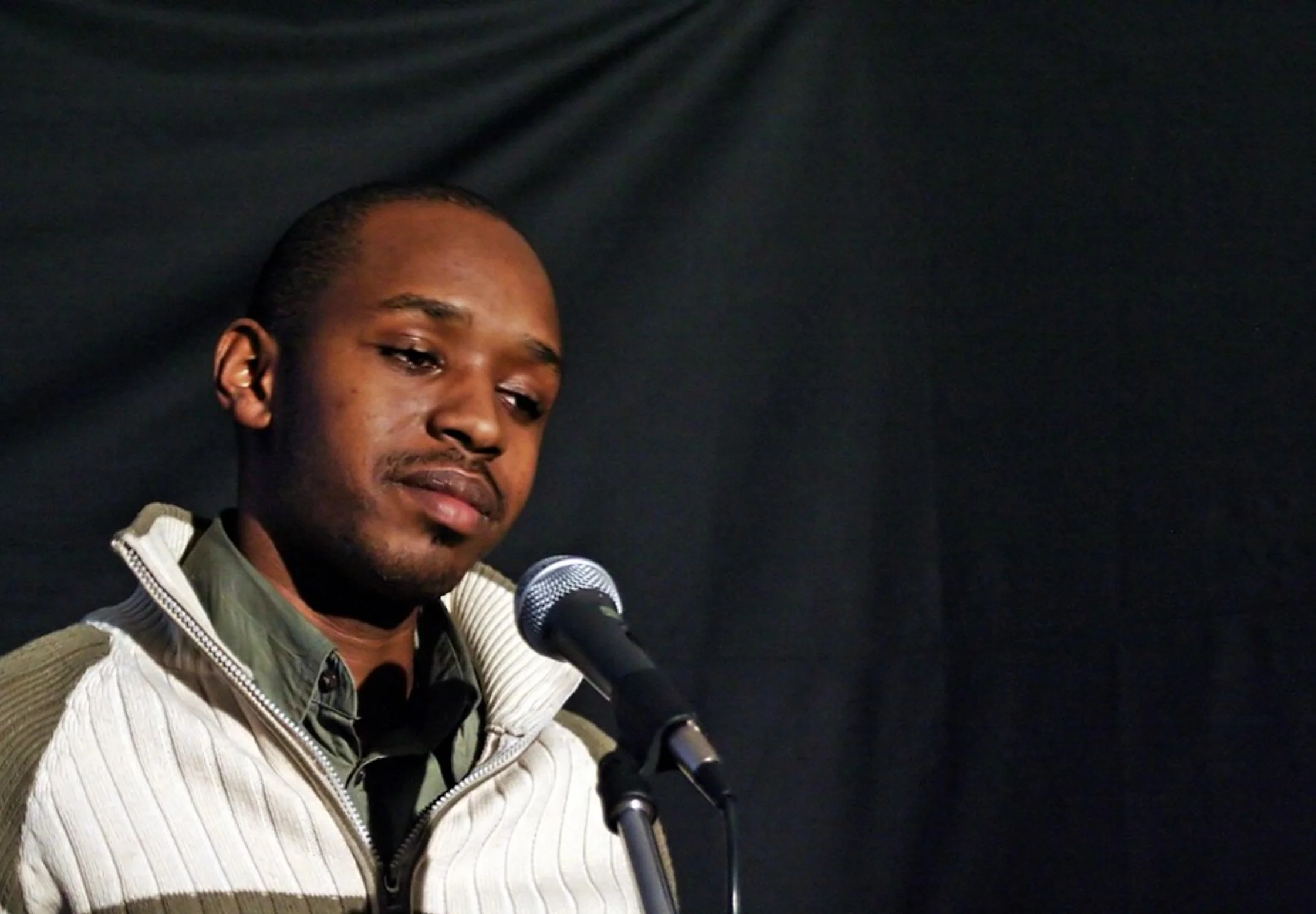
Mwangi was arrested on Friday afternoon, July 19, 2025, by police during a peaceful protest in Nairobi. Protestors had gathered for hours to demonstrate against certain proposed government reforms and the high cost of living, among other demands.
Mwangi, a former photojournalist who became a human rights activist, has historically criticized corruption, police brutality, and excessive power within Kenya’s political structures. His arrest caused numerous groups to condemn the arrest both nationally and internationally, including human rights organizations, opposition leaders and individuals on social media.
Arrest Offers Immediate Backlash
Protestors organized by a coalition of youth and civic groups during the protests, which were all peaceful, were establishing a peaceful movement for government transparency and economic reforms amidst record inflation. Citizen TV reported that Mwangi was leading a group near Uhuru Park when police violently dispersed the crowd and forced him to leave, arresting several other activists in the process.
Kenyans.co.ke reported via video that Mwangi was being dragged into a police vehicle while calling on supporters to “stand strong and uphold the constitution.” He apparently received minor injuries during his arrest and was taken to Nairobi Central Police Station and is being detained for possible charges of “unlawful assembly” and “inciting public disorder.”
Human Rights Groups Urge Immediate Release
Local and international human rights organizations swiftly responded to Mwangi’s arrest. Amnesty International Kenya issued a press release which called for his “immediate and unconditional release,” arguing that Mwangi was exercising his right to peaceful protest as guaranteed by the constitution.
“Criminalizing peaceful dissent is an affront to democracy and further breaches Kenya’s obligations under both national and international law,” said Irungu Houghton, Amnesty’s Regional Director.
The Kenya Human Rights Commission (KHRC) supported Amnesty’s statement and warned that the increasingly aggressive stance of the government toward activists is a worrying trend away from democratic norms.
Government Response and Rising Tensions
Interior Cabinet Secretary Kithure Kindiki defended the police action, saying at a press conference that the police were “acting to preserve public order and enforce the rule of law.” Pilots of the heavier response say it is unnecessary force and that will have an overall effect on making the situation more unstable over time.
Opposition leader Raila Odinga was quick to share his observations via Twitter, stating: “Boniface Mwangi has fought for justice his whole life. Arresting him is an attack on all of us who believe in a free, fair, and accountable Kenya.”
A Symbol of Resistance
With over a decade of work as a voice for the activist movement in Kenya, Mwangi is now in his early 40s. He is best known for his photos of the devastating 2007-08 post-election violence and his famous speeches. He has won awards for his denunciation of violence in the form of his fearless advocacy across the world as well as received local resistance.
As Boniface Mwangi, a rights activist, is arrested by police in Kenya, many Kenyans will come out not just for his release, but for a recognition of the right to speak about, criticise and attempt to create change not only in themselves but their society. His arrest is a defining moment in a nation teetering on the edge of two worlds – one of suppression, and one of free expression.