Nigeria is mourning the passing of Former President Muhammadu Buhari, at age 82, who died in London after prolonged illness.
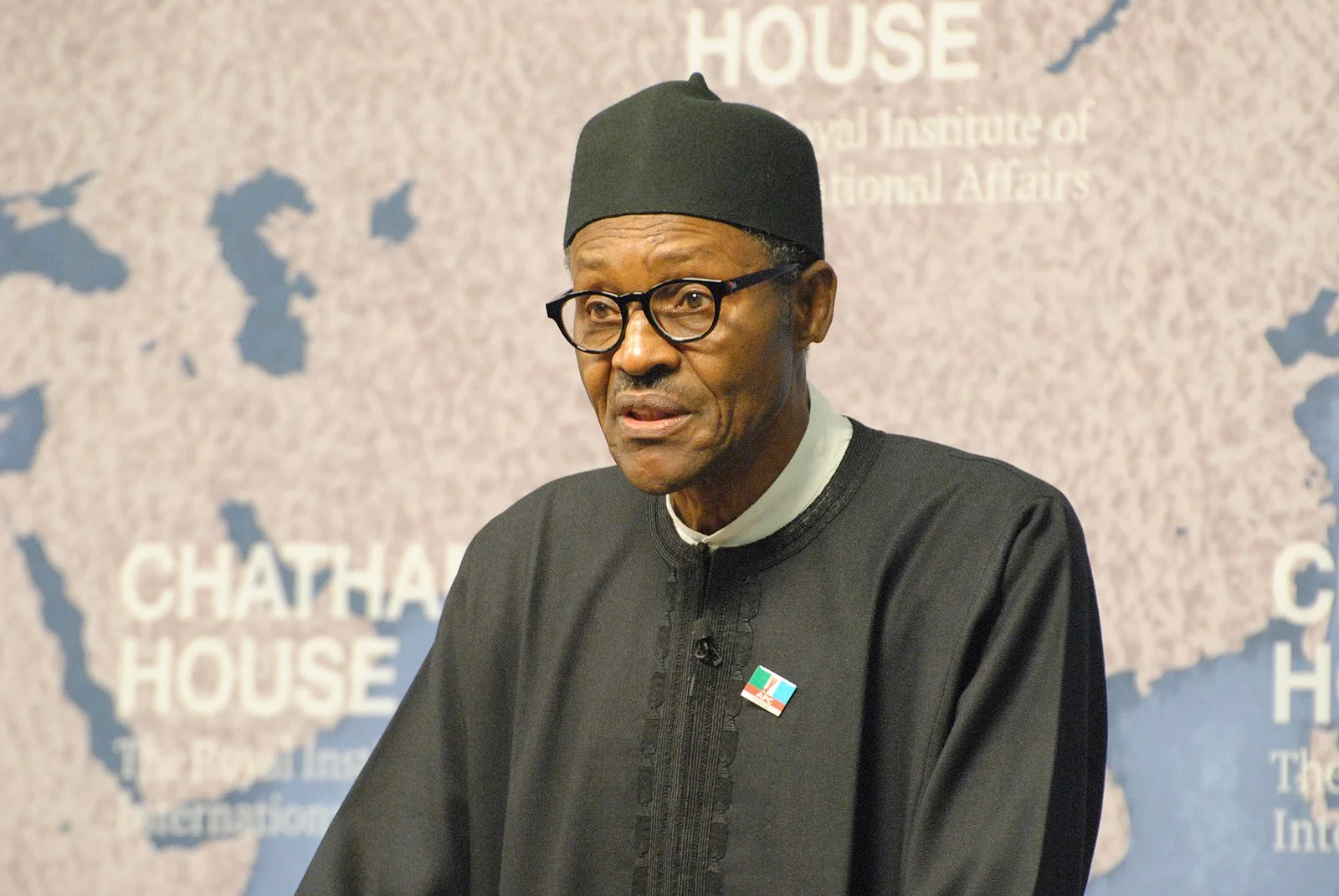
The news, which was confirmed by President Bola Tinubu’s spokesman, has been accompanied by a wave of tributes and reflection on Buhari’s legacy over decades in Africa’s most populous nation.
A Life of Service: From Military Leader to President in a Democracy
Buhari has a distinct experience in Nigerian history. He made his public persona known as a military general in the 1980s, and his first rule of Nigeria began after a coup in December, 1983. His military administration was short-lived, but it was known for a strong focus on discipline and a strict anti-corruption campaign. He was removed from power in August 1985 and spent more than three years in detention.
Following Nigeria’s transition back to democratic rule, Buhari labeled himself a “converted democrat.” He ran several unsuccessful campaigns for president before becoming president in 2015, defeating sitting president Goodluck Jonathan in what most observers described as Nigeria’s fairest election. He was re-elected in 2019, serving as president until 2023.
Leadership and Controversy
Buhari’s approach to leadership was established on his anti-corruption rhetoric, efforts to restore national security and help the Nigerian economy. There were efforts to confront Boko Haram, and to address pervasive corruption, and consequently received both praise and criticism. His supporters considered him “the face of integrity and discipline,” while his critics emphasized continued economic challenges, insecurity, and poor human rights.
Buhari’s presidency was also notable for health-related absences. Buhari spent extended periods in the UK for medical treatment, and the specifics of his illness were sometimes shrouded in secrecy, leading to speculation and debate politically at home.
National Mourning and Tributes.
President Tinubu has directed flags to be flown at half-mast and has asked that tributes are paid across the nation acknowledging the legacy of Buhari. Vice-President Kashim Shettima has been entrusted with repatriating the body to Nigeria where he will be buried in accordance with Islamic tradition. Politicians, civil society leaders and all other Nigerians are taking the time to reflect on the role Buhari played in their lives and on the complicated legacy he leaves behind.
An enduring legacy
Buhari’s legacy is multifaceted. He is one of the only Nigerians to have led the country as both a military government and an elected president. Buhari’s posture toward anti-corruption, security reforms, and the democratic change to which Nigeria aspires mark a type of continuing significance as a leader in Nigeria’s politics. Still, his presidency was also situated in years of deteriorating economic conditions, security concerns, and one of the most polarized public opinions Nigeria has ever faced.
As Nigeria moves forward and turns the page on Muhammadu Buhari, the country reflects on the man whose life contained some of the most formidable and though transformative moments in modern Nigeria. His life is the end of an era, and also a time for Nigerians to reflect on his legacies and lessons.