
On October 15, 2025, kenya woke up to tragic news as the longest-serving opposition leader Raila Odinga had died in India at the age of 80 during a medical procedure. Odinga’s passing signifies the closure of a political saga in Kenya and the wider African continent where he was revered as a champion of democracy and an indefatigable advocate for change.
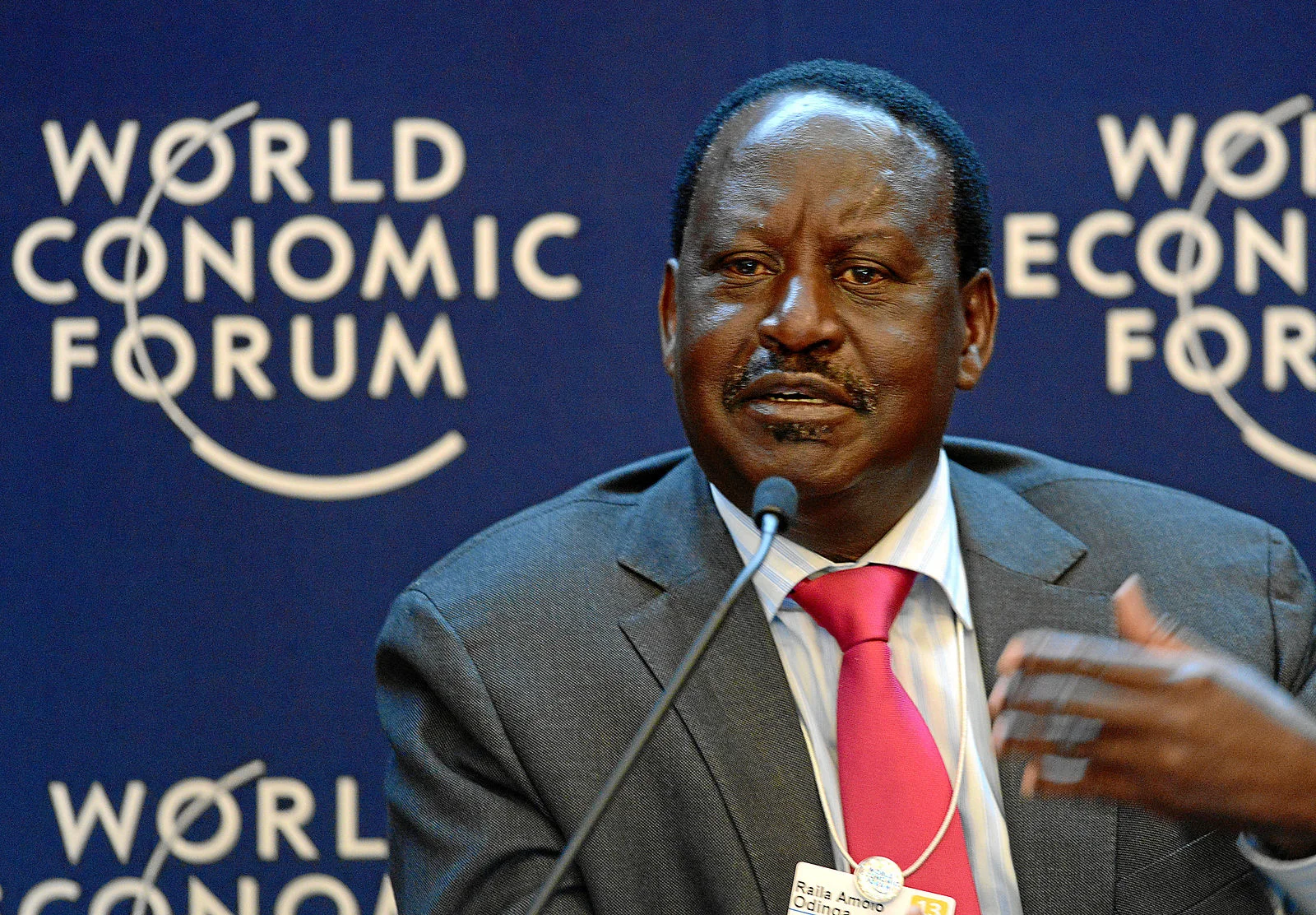
The Final Days: Passing in India
On Wednesday, Odinga had died from cardiac arrest at the Sreedhareeyam Ayurvedic Eye Hospital and Research Centre in Koothattukulam Kerala, after he collapsed while out in the morning stroll with some family members and aides. Sources from Devamatha Hospital in Kerala and his family have confirmed this information. The family mentioned that Odinga could not be resuscitated immediately after he collapsed. He was in India, primarily to seek specialized medical care, but also due to his age and deteriorating health situation since he had experienced health issues and complications in the preceding months.
A Career Marked by Perseverance and Controversy
Raila Amolo Odinga, born on January 7, 1945, was the son of Jaramogi Oginga Odinga, who was Kenya’s first vice president and a respected figure of independence. Raila Odinga had inherited his father’s political resolve and adjustment to political life, and he endured long detentions without trial in 1982-1988, and in 1991, for engaging in activism, as well as opposing the one-party era.
Raila Odinga has been consistently on the forefront of some of Kenya’s leading struggles during his tenure in politics, where he has had leadership roles in the:
- Struggles to have multiparty democracy reinstated in Kenya (which was achieved in 1991) at great personal cost.
- Calls for a new national constitution, with the passing of historic reforms in 2010.
- Longstanding struggles for electoral fairness, as Odinga has contested five elections since 1997, where he often argued that elections had been falsified and were illegitimate, up to 2022.
Odinga’s political career reached its height during his tenure as Prime Minister in a power-sharing agreement (2008-2013) after the violence and upheaval that occurred after the most recent presidential elections in December 2007, where Odinga would later argue that over 1,200 had died, hundreds of thousands displaced, and a majority regular citizens were affected.
A Perpetual Presidential Challenger
Odinga has sought the Kenyan presidency on five occasions. Though he has never won, he helped change the landscape of opposition politics, he contributed to the flourishing of civil society, and at times it appeared he was even shaking the foundations of Kenyan democracy. Most famously, Odinga and his supporters claimed massive electoral fraud after the election in 2007 and again after the election in 2017. The aftermath of the election of 2007 resulted in the worst political crisis this country had experienced in both the pre-and post-colonial history of Kenya since independence, only to be resolved by extensive international mediation and the formation of a coalition government with Odinga as its Prime Minister (2008-2013).
In the 2017 elections, Odinga’s chosen candidate had its results annulled by the Supreme Court in an unprecedented judgement, following Odinga’s relentless push for accountability. Yet, after the re-run he refused to run, maintaining his mystique as an advocate for the future as well as his anti-establishment credentials.
“The People’s President”: A Complex Legacy
Odinga was called “Baba” and “Jakom” by loyal fans, which reflected the popularity of his rallies and ability to reach millions, mainly within the Luo ethnic group (his people), but across the nation as well. He was not only obstinate and adroit with words, but he also identified as the ‘People’s President’ in the wake of competing presidential elections.
Nobody would deny that Odinga’s spectatorship served as a potential source of democracy and reform. Although at times he was criticized for escalating ethnic division, and prolonged standoffs with state security, whether he was glorified or vilified, Odinga’s relevancy to modern Kenyan history cannot be contested.
Reform and Reconciliation
For a life that was often defined by contestation, Odinga was also able to call for unification. In March 2018, Odinga made global news front pages for shaking hands with the then President Uhuru Kenyatta – a sign of reconciliation after battling each other in other turbulent elections, the groundwork for the ‘Building Bridges Initiative’ was created, as was the sign of peace where confrontation had seemingly existed.
To even further, Odinga as a perennial candidate for opposition and challenge to authority was able to engage in these quiet conversations and reforms behind the scenes that helped to steer Kenya through some of its darkest moments in history to date.
Mourning and National Reflection
The news of Odinga’s death spread a wave of mourning across Kenya and Africa by extension. On the streets of Kisumu, Odinga’s birthplace and a political base, thousands of mourners were on the streets, joined together by waving tree branches in the air, honking horns and hot-tubbing sentiments of memories of their “hero of democracy”. In Nairobi, where Odinga’s home became a location of condolences and tributes, and devoid of the jubilation, messages poured out of nearly all segments of the political spectrum.
President William Ruto called Odinga “a towering statesman whose vision and sacrifice transformed our nation”. Ethiopian Prime Minister Abiy Ahmed, among other countries such as Indian Prime Minister Narendra Modi, also expressed their condolences as a minor reflection of Odinga’s global stature.
The Political Future: Uncertainty and Opportunity
Odinga’s passing leaves a sizeable leadership void in the opposition, where he was central to his coalition, Azimio la Umoja – One Kenya. The absence of Odinga may momentarily boost the position of President Ruto heading into the next general election; simultaneously, this is a moment of reckoning for a new generation of Kenyan leaders.
As lead advisor Ben Agina said, “His death creates a major political divide. The future is uncertain. There will be a major setback, especially for his party.” Public intellectuals, youth activists, and opposition politicians are already beginning tentative conversations about the future of reform in Kenyan politics.
International Legacy
Raila Odinga’s story travels far beyond the borders of Kenya. He was a voice for electoral justice in Africa, a supporter of pan-African solutions to crisis, but also a critic of entrenched authoritarianism. His extraordinary level of flux at times an insider and at times an outsider, allowed Kenya to weather storms of transition even while he was seldom happy with compromise.
The End of an Era
“Raila Odinga Dead at 80: Kenyan Political Icon Passes Away” speaks to the end of a man’s life, but also the end of a turbulent, transformative chapter in African democracy. The legacy of Odinga will be fiercely debated, reinterpreted, and studied for years to come.
As Kenya prepares to memorialize him, the lessons of his courage, resilience, and belief in the power of people will remain imprinted in history.