
France’s intention to officially recognize the State of Palestine may influence the geopolitical scene of the middle east. France has taken steps to recognize officially Palestine state with a main goal of engaged Paris as a strong partner working to the two-state solution.
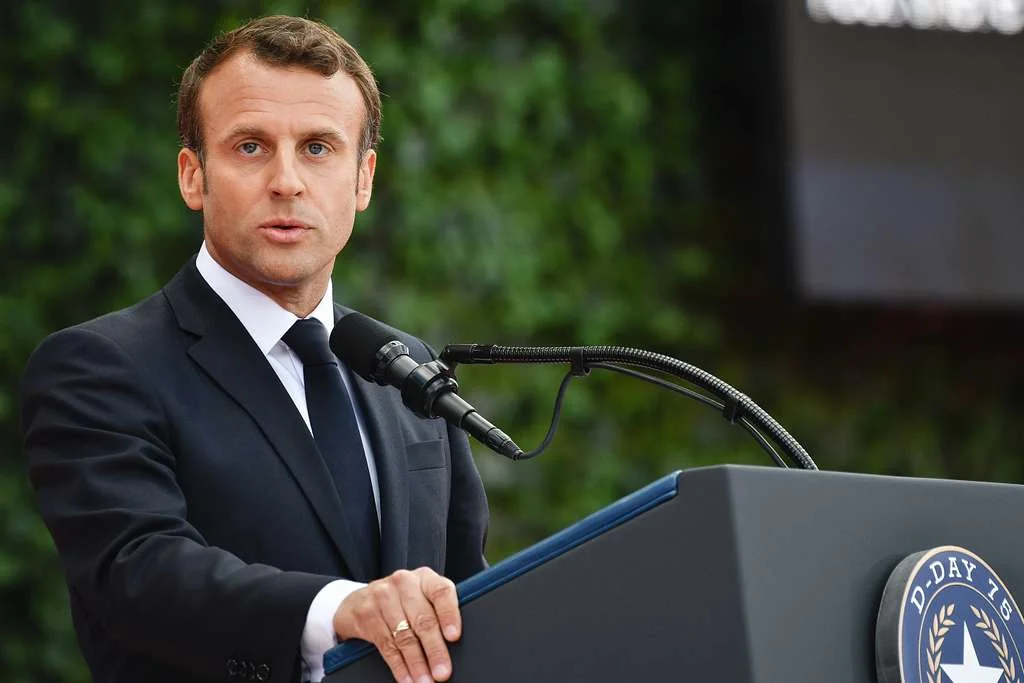
This announcement from the French plan to recognize Palestine state was first made by the Macron administration on July 25, 2025, and represents an enormous departure from the past views of the French as “neutral” mediators between Israel and the Arab World.
The decision will use the existing framework of the French National Assembly and just will be submitted for debate. Le Monde noted that their diplomats emphasized the strong majority of the Assembly will recognize Palestine state and only slight concerns from the presidential office. There seems to be strong reasons to take action given the multitude of past countries that have recognized Palestine state over the past year, specifically Spain, Ireland and earlier in the year Norway. The timing is also timely given Israel, and the region is again facing violence, military and civil unrest.
France’s Motivation: “Peace, Justice, and Responsibility”
During a press conference, French Foreign Minister Stéphane Séjourné stressed the government’s rationale.
“This is a decision based on our values—peace, justice, and responsibility. France has always supported the two-state solution, and acknowledging Palestine is an essential, necessary step toward breaking the deadlock and restarting real negotiations.”
French officials stressed the need to reinforce international law, pointing to many United Nations resolutions that call for an independent Palestinian state to exist alongside Israel with secure and recognized borders.
Regional and Global Reaction
The announcement of the French plan had a rapid response across the world. Palestinian President Mahmoud Abbas called it “a courageous act that restores hope for justice and self-determination,” and urged similar actions from other EU members and other world powers.
Israel strongly condemned France’s position; indeed, it recalled its ambassador to Paris, and warned that quick, unilateral recognition of the State of Palestine “encourages extremist positions, undermines direct negotiation, and can only make matters worse.” In comments shared in a statement and reported by The Times of Israel, Israeli Prime Minister Eli Cohen stated, “France’s decision has put peace further away, and gave affirmation to rejectionism.”
The United States did not directly criticize France, with Secretary of State Anthony Blinken reiterating Washington’s longstanding reference to a notion of negotiating with the Palestinians instead of taking unilateral actions. However, U.S. officials told Reuters that, while it did not necessarily agree with the French move, it could change the dynamics of diplomatic discussions, particularly in the European Union.
Domestic Responses: Strong Parliamentary and Public Support
In France, initial polling by IFOP indicates that 62% of citizens support the government’s recognition of Palestine and showcase widespread public displeasure over the lack of any advancement toward peace and general sympathy for the humanitarian situation in Gaza and the West Bank.
Jean-Christophe Lagarde, chair of the National Assembly’s Foreign Affairs Committee, stated to France 24:
“France cannot put off this decision any longer. Recognition is not a gift it is a recognition of a Palestinian right to exist and a place at the table.”
French Jewish and pro-Israel organizations expressed concern that the timing could lead to an emboldening of anti-Semitic rhetoric, calling on the government to implement strict protections mandating a balanced and fair approach to discussions.
What the French Plan Includes
- Formal state recognition of Palestine, based on 1967 borders and with East Jerusalem as the capital—consistent with widely accepted international proposals.
- A commitment to enhance the Palestinian diplomatic mission in Paris to an embassy, once the situation allows.
- Calls for an immediate ceasefire, cessation of settlements, and renewed multilateral peace negotiations that include leaders from both Israel and Palestine.
- Humanitarian assistance and support for Palestinian civil society projects in the West Bank and Gaza.
Diplomatic and Strategic Implications
Analysts indicate that the historic decision may cause a domino effect, as larger European states—namely Germany and Italy—may consider similar steps. The decision also could create some leverage at the galactic level within the United Nations, in terms of potentially gaining Palestine’s full membership.
Frédéric Encel, professor of international relations at Sciences Po, offers that:
“In forcing the hand of the international community, France’s recognition delegitimizes the extremists on both sides that thrive on the status quo.”
However, the critics warn of backlash, such as a freeze of Franco-Israeli cooperation, retaliation against French interests in the region and even backlash within France, as sensitivity remains over the Israeli-Palestinian issue.
The Road Ahead
The French government emphasized its support for Israel’s security and condemnation of terrorism and promotion of violence. Macron’s staff indicated that recognizing Palestine is “not a denial of Israel, but a reaffirmation that peace, and justice, require two viable, sovereign states.”
France will likely increase its promotion of diplomacy to get the parties back to the negotiating table, and reports indicate that Macron is planning visits to Jerusalem and Ramallah in the next few weeks.
The historic decision: French plan to recognize Palestine state represents a significant shift in France’s Middle East policy and could be a game-changer for lasting peace. While the road ahead, as always, is still challenging, Paris’s bold step importantly rejuvenates international efforts, and demonstrates that many feel the time for gestures is over. If you were waiting for the world to watch Paris for potential recognition, they will—will it be the bridge to peace so many wants?



