The 2025 New York City mayoral election has now emerged among the year’s most significant political contests across the United States, highlighting massive changes in the city’s electorate, policy agendas, and political ties within the state. Early voting led to record levels of participation, bolstered by a highly energized electorate around the issues of affordability, safety and security, and the shifting relationship of the city to a new national administration.
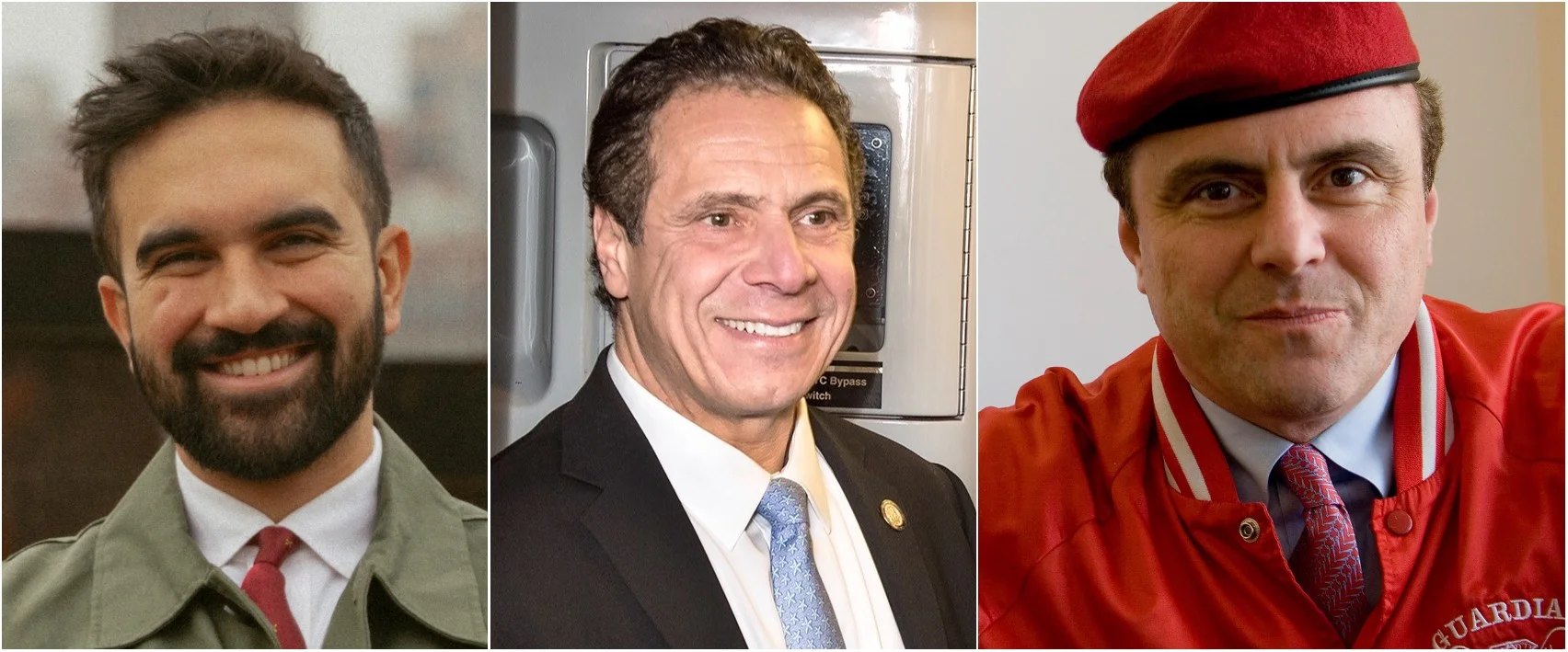
As ballots are cast and we reach final polls on November 4, the race between Democratic State Assemblyman Zohran Mamdani, independent former Governor Andrew Cuomo, and Republican activist Curtis Sliwa will have implications for the future of the city and serve as a bellwether for future urban elections across the nation.
Historic Turnout and the New Political Landscape
Early voting for the 2025 NYC mayoral election set an all-time record with more than 735,000 ballots cast—a 20% increase from the cycle before—signaling a high level of engagement in the election, particularly among younger voters and where it applies, first-time voters. The increase in engagement and turnout during early voting is likely due to many in New York’s electorate feeling the urgency brought about by affordability issues, housing shortages, and how the city will have to address policing safety and the role of social justice in regards to public safety.
In addition to those factors, it is important to note that this year’s open race was preceded by and correlated to a well-documented anti-incumbent headwind. Eric Adams, New York City’s mayor, withdrew from the mayoral race after facing legal troubles, embarrassment, and a significant decline in support, paving the way for this consequential three-way election.
The Major Candidates: Agendas and Positions
Zohran Mamdani: Progressive Momentum
As a Queens assemblyman and outspoken progressive, Zohran Mamdani is now leading the Democratic Party’s candidate field. As the Democratic Party candidate, he has run this campaign focused on affordability issues that include advocating for a rent freeze on apartments in New York City, a free bus, and universal childcare. As part of this plan, Mamdani supports raising the corporate tax rate along with introducing a flat tax on wealthy earners to pay for investing in his agenda. He has gained traction among younger, working-class multidimensional voters fairly successfully over other candidates, although he may be challenged on not having executive experience of his opponents.
Andrew Cuomo: Political Comeback as an Independent
After his resignation from office in 2021, followed by a political scandal, now-former Governor Andrew Cuomo is seeking redemption as a Democratic candidate turned independent candidate. Cuomo in his independent campaign has relied on pragmatism and centrism: restore public order in the city, attract investment, and not raise taxes. While there are cases of Cuomo closing the once-sized lead of Mamdani in late polls, there always seems to be lingering hesitancy from New Yorkers tied to his prior time as Governor and the decision to go independent and sidestep the party structures.
Curtis Sliwa: Law-and-Order Champion
Curtis Sliwa, a Republican and the founder of the Guardian Angels, is making his second bid for mayor. His campaign is based on law enforcement, public safety, and subway safety, where Sliwa is primarily targeting voters concerned about crime. While ultimately a long shot in very blue NYC, Sliwa’s choice to remain in the race provides additional oxygen for a core law-and-order message, while also attempting to siphon off anti-progressive voters.
Key Issues Dominating the Debate
- Affordability: Candidates are arguing over which policies will attempt to address the rising cost of housing and healthcare. Mamdani supports rent control, expanded subsidies, and progressive taxation, while Cuomo promotes regulatory reforms and mixed-income housing developments and Sliwa proposes reducing regulations and expanding incentives for homeownership.
- Public Safety: Policing, gun violence and the general approach to the NYPD continue to lead to passionate debates. Cuomo and Sliwa propose more aggressive policing, whereas Mamdani wants to support social service investment or alternative community safety programs.
- Governance and Ethics: Adams’ legal troubles and Cuomo’s questionable tenure have kept ethics and transparency at the forefront of voters’ minds, with every candidate promising to be more ethical and transparent.
- National Politics: With Donald Trump as president again, both Mamdani and Cuomo are portraying themselves as strong supporters of NYC values and claiming they will fight for the city’s interests in Washington.
The Latest Polls and the Deciding Voters
Polls generally show Mamdani leading with more support, with Cuomo gaining support as Election Day approaches. As of November 1, Mamdani is winning in some polls by double digits but is winning by single digits in some other polls, all within the framework of a high number of undecided voters, not surprisingly especially among New Yorkers ages 50+.
Voters more in the center and older voters motivated by rising costs and healthcare costs are better positioned to decide the final outcome, although younger voters, who may be energize by Mamdani’s progressive platform, can also provide an important turning of the tide.
What’s at Stake and the Road Ahead
There is no question this mayoral election is a referendum on progressive policies and the future of city governance Since the election happens in a hostile national context. The winner will inherit a city at a crossroads, struggling with post-pandemic recovery, high costs and managing the tension between policing and reform. The policy decisions made around housing, transit, and urban safety made in NYC are larger than just NYC as similar struggles and debates continue in cities across the nation.