
The United States and Iran say they have reached the “perimeters of a deal” over reopening the Strait of Hormuz, President Trump announced over the weekend, marking the latest turn in a start-and-stop negotiation that has swung between diplomacy and open warfare for more than a year.
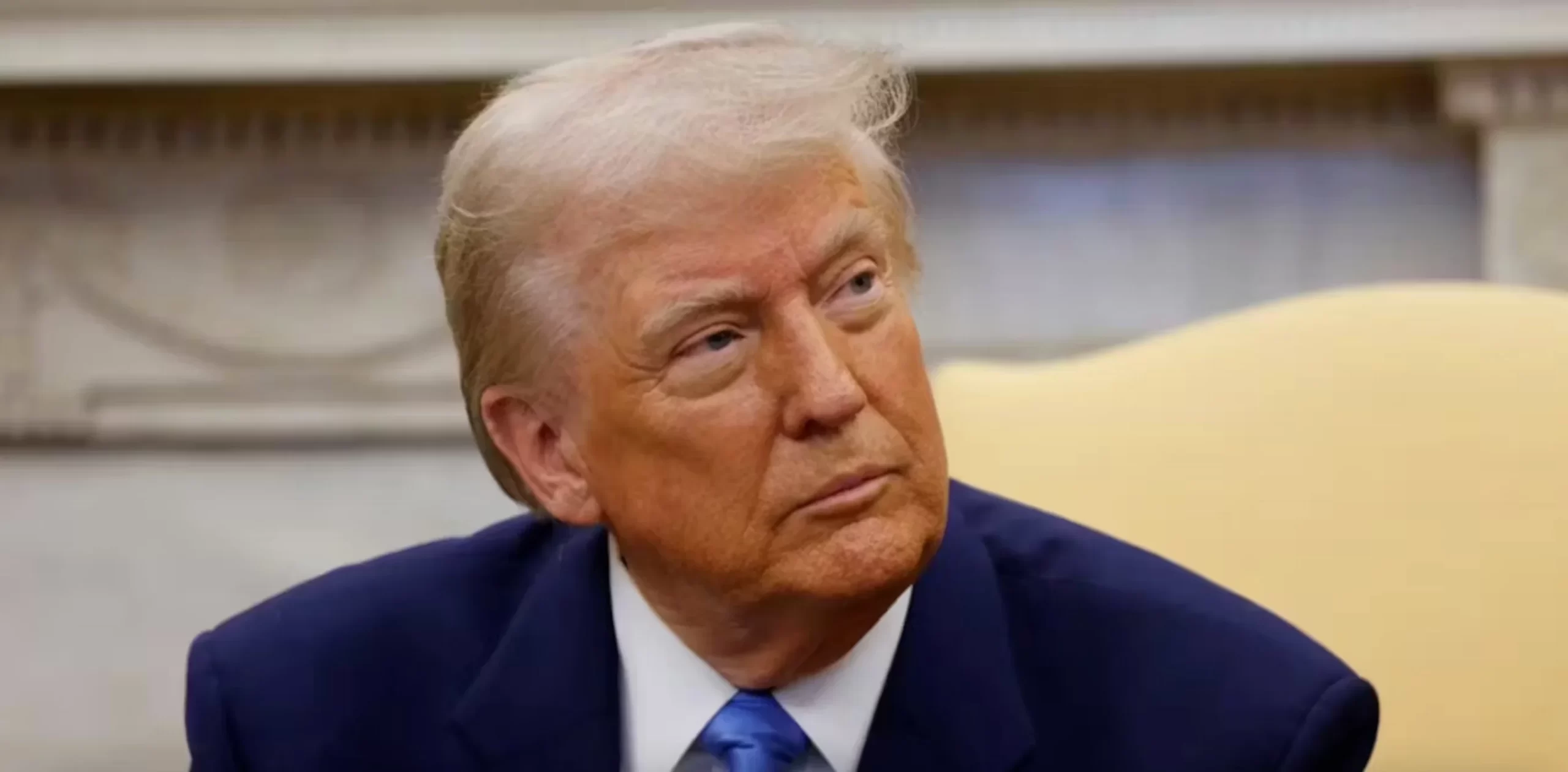
The announcement, which led Trump to cancel a planned large-scale strike on Iran’s energy infrastructure, arrived just days after he warned Tehran was being “decimated” and threatened to hit Iranian forces “very hard.” That whiplash, threats of overwhelming force followed almost immediately by claims of diplomatic breakthrough, has become a defining feature of the negotiations since they began in April 2025.
How the talks began
According to a timeline compiled by Wikipedia, the current round of negotiations traces back to April 12, 2025, when Iran and the United States opened indirect talks in Muscat, Oman, following a letter from Trump to Iranian Supreme Leader Ali Khamenei. Those initial talks, mediated by Omani Foreign Minister Badr bin Hamad Al Busaidi, ran for 62 days before stalling, and a second round did not resume until February 2026 amid large-scale protests inside Iran.
The diplomatic track was upended entirely on February 28, 2026, when a surprise US-Israeli bombing campaign struck Iran in what became the opening salvo of a six-week war, according to Time magazine‘s reporting on subsequent peace talks. That conflict reportedly killed Iran’s supreme leader along with numerous senior officials, fundamentally altering the stakes of any negotiation that followed.
The Islamabad talks and a broken ceasefire
The first in-person negotiations since Iran’s 1979 Islamic Revolution took place in Islamabad, Pakistan, on April 11 and 12, 2026, led on the American side by Vice President JD Vance, special envoy Steve Witkoff and Trump’s son-in-law Jared Kushner. Time reported those talks collapsed after more than 21 hours without agreement, with U.S. officials saying Iran refused to accept “red lines” including an end to uranium enrichment, dismantling of enrichment facilities, and surrendering its enriched uranium stockpile.
Iran, for its part, released its own 10-point proposal demanding the release of frozen Iranian assets, the lifting of all sanctions, continued Iranian control of the Strait of Hormuz, and the right to continue uranium enrichment for peaceful purposes, terms that directly conflicted with the 15-point American plan delivered through Pakistani intermediaries.
A brief two-week ceasefire, brokered by Pakistan, briefly paused hostilities in April, according to Wikipedia’s chronology of the 2026 Iran war ceasefire, but the underlying disputes over enrichment and the strait remained unresolved.
The Islamabad Memorandum and its unraveling
Diplomacy resumed in earnest in June. On June 17, 2026, the presidents of the United States and Iran signed the Islamabad Memorandum, a formal memorandum of understanding establishing a 60-day window to negotiate final terms of an end to the war, according to Wikipedia’s negotiation timeline. Under that agreement, Iran committed to allowing free passage of shipping through the Strait of Hormuz, while the U.S. agreed to lift sanctions on Iranian oil exports and end its naval blockade of Iranian ports.
Technical talks to implement the memorandum’s details began in Switzerland on June 21 and continued in Doha, Qatar, through early July, with Reuters reporting that a round of talks concluded on July 1 with “no sign” of headway toward a lasting peace, as negotiators revisited issues that had supposedly already been settled two weeks earlier.
The fragile arrangement broke down entirely in mid-July. Al Jazeera reported that from Tuesday night to Thursday that week, the U.S. and Iran traded direct attacks in the most significant escalation since the memorandum was signed, with each side accusing the other of violating its terms. Trump himself declared the memorandum “over,” even as U.S. officials continued to tell reporters that Washington remained committed to continuing negotiations.
A pattern of threats and reversals
The months since have followed a consistent rhythm: renewed military threats followed by claims of diplomatic progress, then further escalation. NBC News reported in early July that the U.S. had agreed to pause attacks on Iran on the condition that a deal be reached “rapidly,” with any agreement expected to include reopening the strait and addressing Tehran’s broader posture in the region.
CBS News reported in late July that Iran’s foreign ministry publicly denied any current direct negotiations with the United States, even while acknowledging ongoing indirect talks mediated by Oman, a distinction that has repeatedly complicated public accounting of where the diplomatic track stands at any given moment.
That same week, the New York Times canvassed four veteran Western diplomats about how they would approach continued talks, all of whom cautioned that meaningful de-escalation would remain difficult given the broken ceasefire and escalating rhetoric around the strait. The piece noted, however, that Iran’s release of an Iranian-American detainee and conciliatory signals from Iranian negotiator Mohammad Bagher Ghalibaf suggested diplomatic avenues had not been fully foreclosed.
Where things stand now
Trump’s weekend announcement that the two sides had reached the “perimeters of a deal”, framed around reopening the Strait of Hormuz and a definitive resolution of Iran’s nuclear program, represents the latest attempt to translate months of fractured negotiations into a durable agreement. Trump has said the U.S. remains “locked and loaded” militarily if a final deal is not reached quickly, language consistent with the pattern of pairing diplomatic overtures with explicit threats of renewed force that has characterized the process since April 2025.
Reuters’ ongoing coverage notes that Switzerland has continued to offer what its foreign ministry called a “discreet and reliable environment” at Bürgenstock to support execution of the memorandum of understanding, suggesting that even amid public breakdowns, a channel for technical negotiations has persisted behind the scenes.
What to watch next
The core substantive disputes that derailed the Islamabad talks in April, uranium enrichment limits, the fate of Iran’s frozen assets, sanctions relief, and long-term control over shipping through the Strait of Hormuz, remain unresolved even as both sides describe the latest framework as promising. Given the negotiation’s history of collapsing shortly after each announced breakthrough, analysts and diplomats who have tracked the process caution that the durability of any “perimeters of a deal” will only be tested once negotiators attempt to convert the framework into a signed, detailed agreement covering the same issues that have repeatedly proven intractable over the past sixteen months.