
Globalization means differently for different people. It is the phenomenon of increasing interdependence of the nations that impacts nearly all aspects of modern life—from commerce, communication, and the environment to culture and identity.
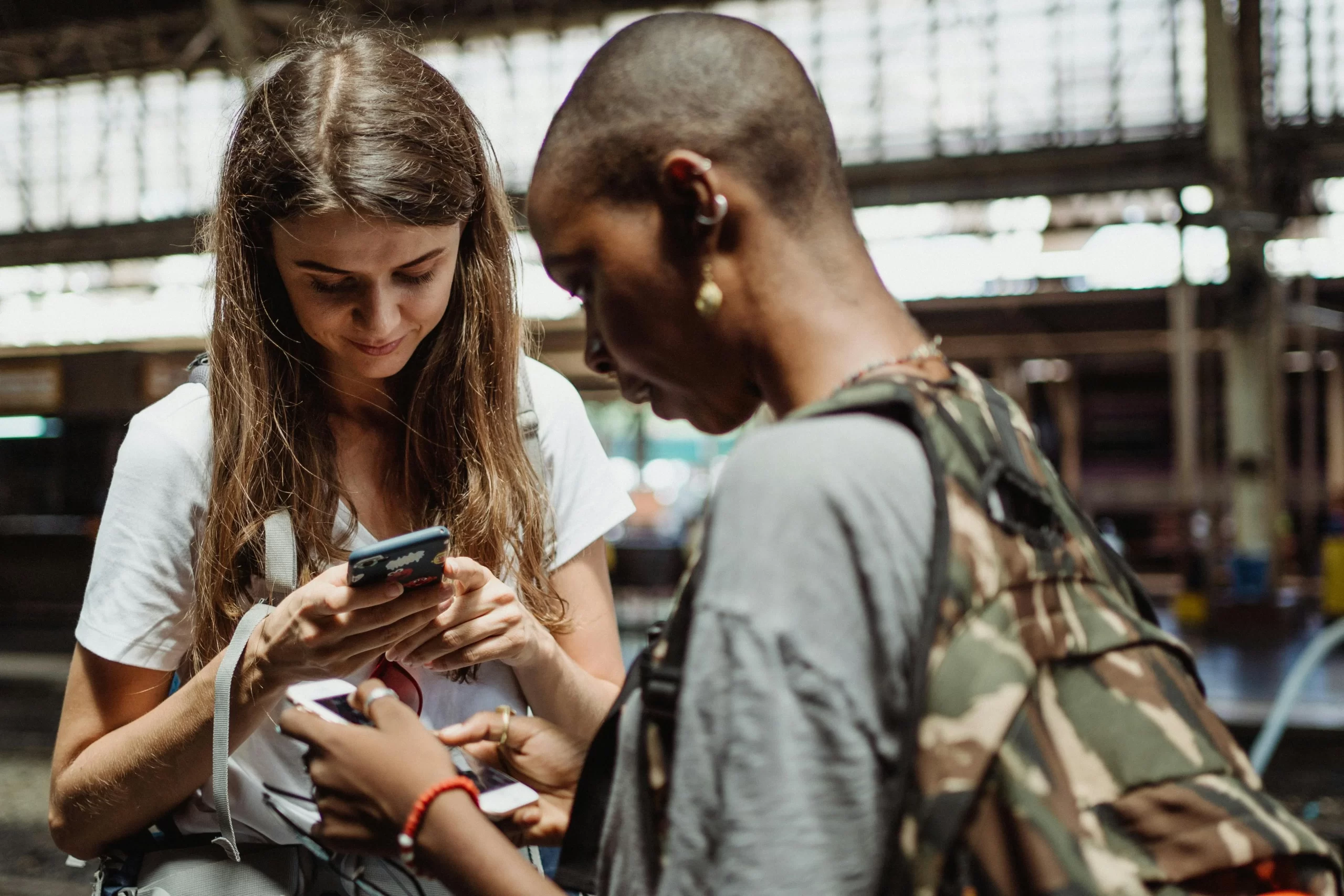
Globalization has many positives, but its impact on local cultures is, without a doubt, complex and consequential with both threats both to tradition and diversity as well as opportunities for enrichment.
The Positive Influence of Globalization
Globalization has created very real opportunities for local cultures to interact with the global community. As technology and transportation have progressed and as communication has opened up, the boundaries for accessing global information and knowledge, and cultural products, have been lowered like never before.
This access enables you to learn so much more and for the local cultures and products to engage with so much more, leading to restorative cultural exchanges and access to greater musical genres, culinary experiences, artistic expressions, etc.
An example may be the widespread appreciation of K-pop and Japanese anime as well as Indian food and cuisine. Perhaps, local cultures do not lose their essence, or maybe they even gain it while obtaining international visibility and validation.
In an economic context, there is gained opportunity through cultural tourism and the global marketplace. There are opportunities for communities to connect their distinct traditions, crafts and events to attract visitors and earn income while promoting pride and sustainability.
As we consider globalization, it is also an avenue for cultural hybridization. Hybridization is a migration process involving merging elements and ideas from different traditions and practices. A result can revive or transform local cultures to create culturally relevant, sustainable, forward-thinking, and progressive practices.
The Risk of Cultural Homogenization
In the excitement surrounding the very real opportunities in the global marketplace and cultural tourism, we must recognize that globalization and the rise of a single global culture brings an impending nightmare for local cultures.
For example, we see a dramatic homogenization of local cultures that bear abandoning local traditions in favor of a global, usually Western practice (i.e., language, consumer good, media presence). The phenomenon of ‘cultural homogenization’ is one example of many considerations when questioning who we are as Samoan people.
The inevitability of English emerging as a proposed lingua franga has had extreme consequences—including extinction—on indigenous language speakers. For example, if they are actively abandoning local languages and seeking and using global languages, the ability for indigenous languages to survive are threatened.
Traditional practices, once central to communal life, are also at risk. The proliferation of global media has catalyzed localized renditions of Western music, fashion, and entertainment, often at the cost of local artists and practices.
In many locales traditional livelihoods, such as farming and artisanal crafts, are diminished as the global market valuates regionally unique goods, exacerbating loss of economic stability and continuity of culture.
The commodification of culture – culture that is marketed for profit as surplus – is further eroding the authenticity and significant of local customs.
Resilience and Adaptation of Local Cultures
Despite the challenges above, numerous local communities demonstrate resilience and adaptability. Strategies to maintain indigenous languages, cultural tourism, and use of digital technologies are contributing to maintenance and revitalization of traditions.
For instance, digital means allow communities to share stories, music, and art with a global audience, which strengthens local pride and continuity.
Cultural exchange – not to replace – can happen when communities engage with globalization while still retaining their identities. The entangled nature of local and global cultural resources can result in new forms of culture that help individuals recognize whether is a combination of traditional and innovative content.
In this way globalization can be a vehicle for preservation or change depending on how communities engage with globalization.
Looking ahead: Striking a Balance between Exchange and Preservation
The future of local cultures in a globalized world will depend in part on finding a balance between openness to new ideas and protecting our heritage. Globalization has the power to threaten cultural diversity, but it can also create possibilities and tools for communities to represent their identities and share their cultural practices with the world.
Communities can ensure that globalization enhances and not diminishes, shaping the layers of culture of the human experience by engaging with local languages, arts, and customs.
The impact of globalization on local cultures is multi-pronged, creating new opportunities for exchange, innovation, and economic growth, but also new pitfalls toward homogenization and loss. Ultimately, the future cultural landscape will leverage the agency, resilience, and synthesis characteristics of local communities. As the world becomes increasingly connected.