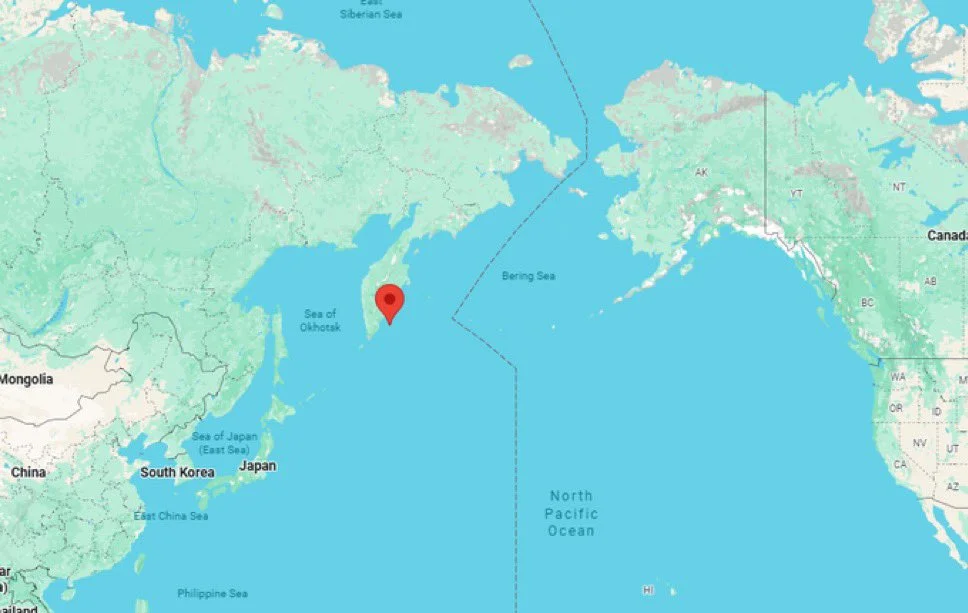
A series of strong earthquakes shook the Pacific, culminating with a gigantic 8.8-magnitude earthquake just off the coast of Russia’s Kamchatka Peninsula which now has sent its own series of aftershocks throughout the region.
Hawaii issues tsunami warning after strong Pacific earthquakes jolt the region, and the tsunami waves reached Hawaii later Tuesday, July 29, 2025, regarding evacuations, the closing of harbors and beaches, travel disruptions, and fear across all of the islands.
The earthquake happened just before 1:30 p.m. local time off Kamchatka, which is one of the strongest earthquakes in the Pacific in recent memory according to Reuters. A tsunami event was created that raced across the ocean and affected Russia, Japan, the U.S. West Coast, Alaska, and the Hawaiian Islands to varying degrees.
Mobilization of Emergency Personnel in Hawaii
The Pacific Tsunami Warning Center issued the alert for all Hawaiian Islands about the tsunami factor roughly at the same time as the seismic instruments analyzed the size of the quake and calculated the epicenter. Shortly thereafter, the Hawaii Emergency Management Agency took its first action, which involved the closure of commercial harbors and county beach parks, cancellation of flights to and from Maui, and mandatory evacuation of anyone who lived in a coastal inundation zone to higher ground.
The sirens began to wail in the heavily populated areas of tree-lined Honolulu and the resort destination Waikiki. State acting Gov. Josh Green urged the public, clarifying the severity and indicating that everyone should seek safe shelter if they were on the shoreline:
“So, you can expect a tsunami wave affecting the state of Hawaii, which will not only hit one beach. It will impact every cove and beach.”
According to county officials, more than 1,500 residents spent the night using the shelters. Emergency service agencies and police officers spent the night securing vulnerable areas, directing the evacuations and advising residents to cease non-essential travel so the emergency operations work could continue unhindered.
Tsunami Waves Hit Hawaii:
The Pacific Tsunami Warning Center reported that monitoring stations had recorded tsunami waves between 3 to 6 feet along the Hawaiian coastline. In the Pacific Tsunami Warning Center reported, there was a 4-foot sea level rise at Haleiwa and 3-foot wave height at Hanalei. The waves came ashore just after 7:15 p.m. local time and caused minor flooding in low-lying areas.
Officials had assured the public that they were monitoring these conditions, and that there was not expected to be a “major” destructive tsunami, but a series of dangerous waves lasted for hours, also each of which included strong currents that could have made for incredibly hazardous swimming and boating conditions. The National Weather Service added that a tsunami’s impacts are not always contained to one high wave:
“Tsunamis are surges of seawater that sometimes come on in a series that can produce extensive flooding in coastal settings and hazards that can last for hours after initial wave arrival.”
Waves and Responses Across the Pacific
The emergency in Hawaii took place as part of a general alert in the Pacific. Its violent earthquake generated tsunamis warnings and alerts for several areas: Alaska, the U.S. and Canadian West Coast, Japan, and Russia. Kamchatka’s east coast registered waves up to 13 feet, inundating port facilities and leading to the evacuation of thousands inland.
The meteorological agency and civil defense in Japan announced evacuations for residents near the coasts. The U.S. West Coast was only alerted to possible dangerous currents, and limited inundation.
Aftermath: Advisory Downgrade and Ongoing Caution
Late Tuesday night, Hawaii downgraded the tsunami warning to a tsunami advisory after the first waves were smaller than the worst of the predictions. However, there were still advisory terms in effect for some hours. Residents were told to stay out of the water and away from coastlines until the threat of unusual currents and additional waves passed through the night and early morning hours.
The county beach parks and harbors were still closed until further assessments were complete for damage. The public was informed that if they were returning after evacuating, they should document their safety and damages for their insurance.
Governor Green thanked residents for remaining cautionary and managing emergency response in rapid succession from emergency management, law enforcement, and other organizations within the community:
“Preparedness, communication, and calm made a real difference tonight. We got lucky, and while we did not see the worst-case scenario, this event is a stern reminder that we are vulnerable and need to be ready.”
Resilience and Recovery
The July 2023 tsunami warning came across the State as a stark reminder of Hawaii’s vulnerabilities to seismic events across the Pacific “Ring of Fire.” Experts are warning that the continuation of evolving climate and seismic risk make urgent the need for ongoing investment into public education, the conducting of preparedness drills, and strong and stable early warning systems to protect vulnerable communities throughout the islands.
For the time being, Hawaii has started the slow path toward recovery – cleaning up debris, addressing minor damage, and assisting those residents impacted by the evacuations. There is a unified sense of relief: lives were saved, and the islands appeared not to have lost their resilience.