
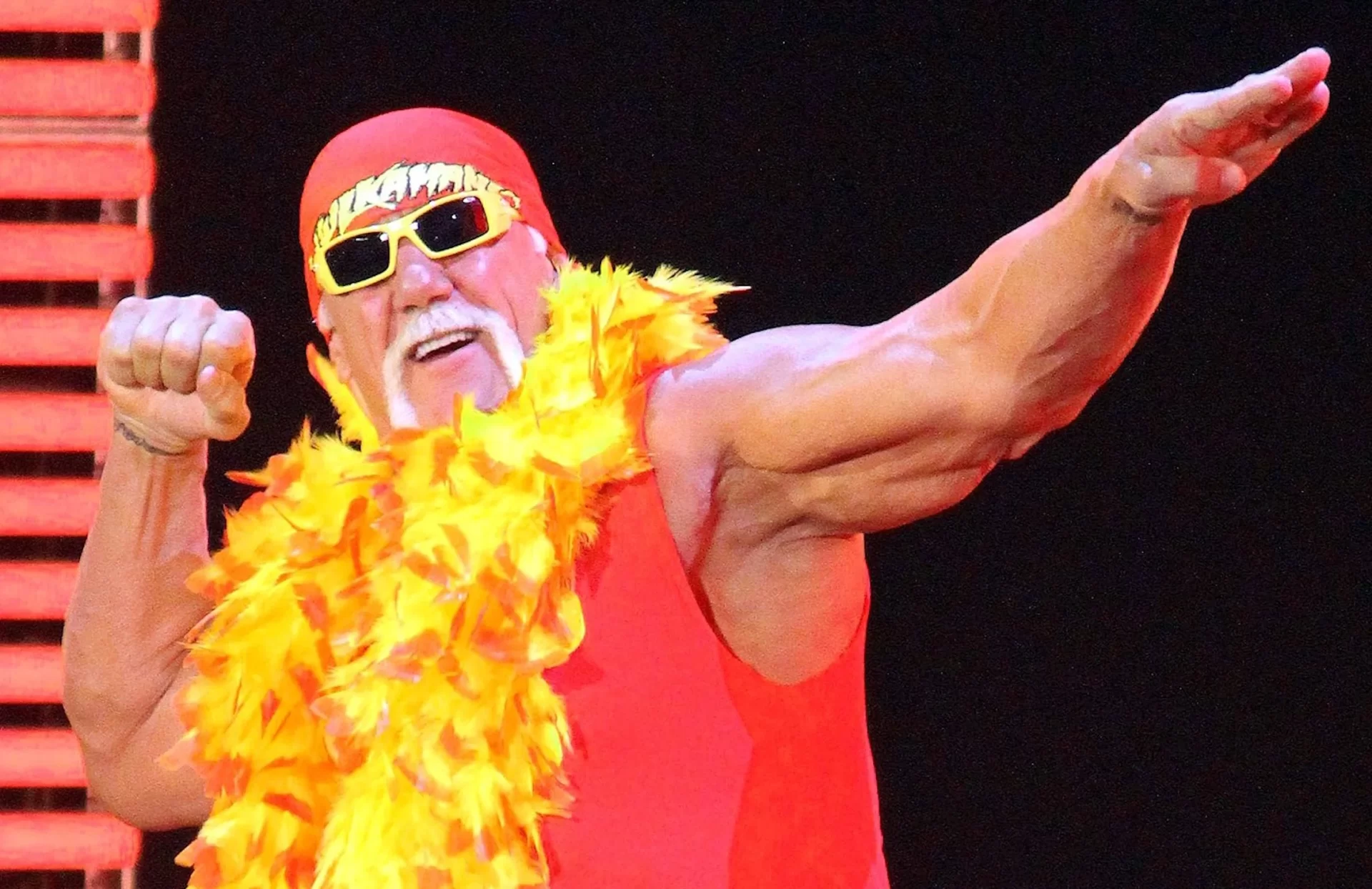
The world of professional wrestling is mourning today after sharing the tragic news: Wrestling icon Hulk Hogan has died at the age of 71, following suffering cardiac arrest. Terry Eugene Bollea, better known as Hulk Hogan in the ring, died peacefully on July 24, 2025.
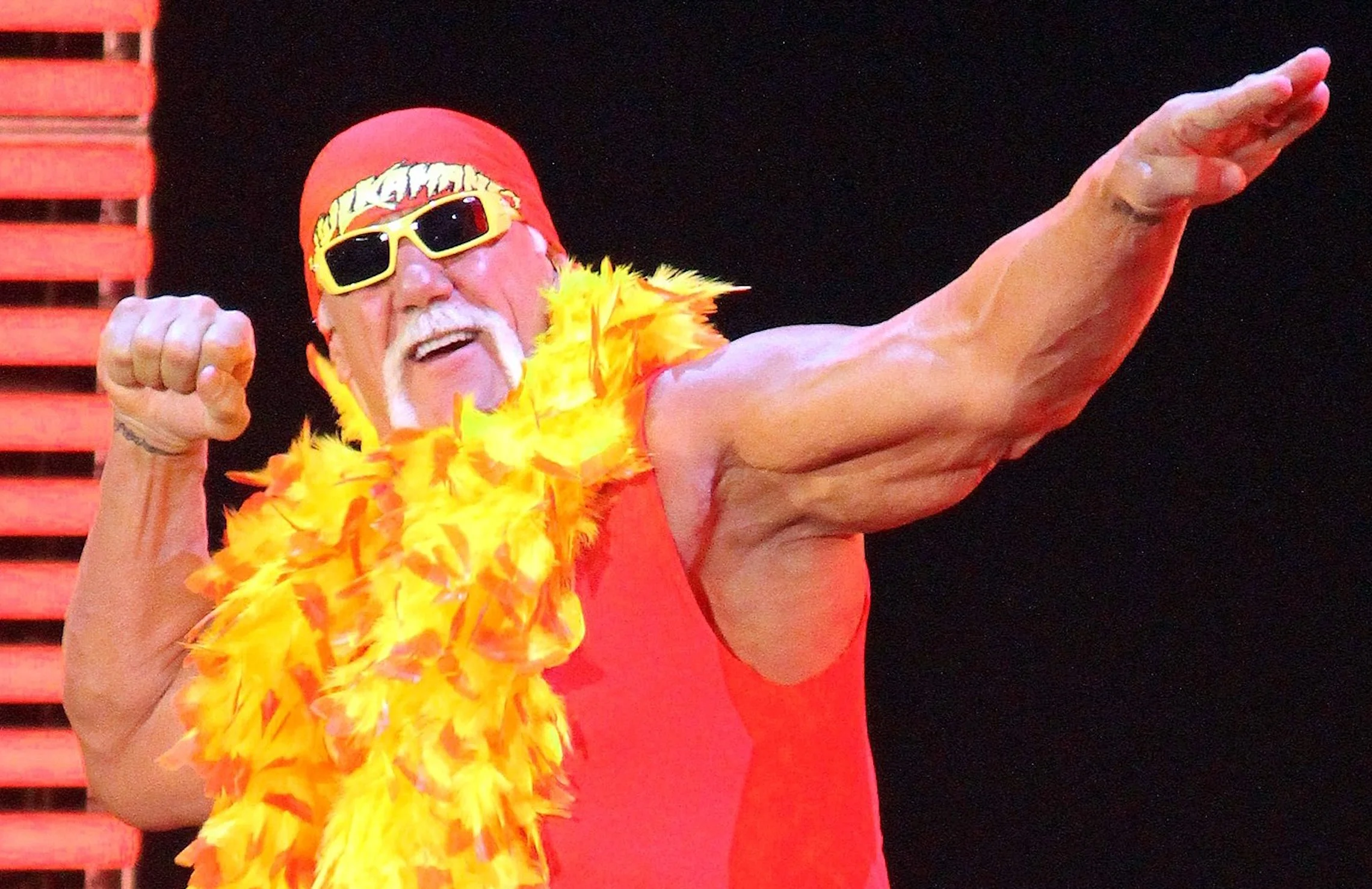
The undisputed icon who brought professional wrestling into mainstream pop culture had an everlasting effect on sports entertainment and fans around the world.
According to ESPN, Hogan was taken to a Tampa, Florida hospital earlier this week but was not revived after suffering cardiac arrest. His family, friends, and an immense lifelong global fan base felt immense sorrow thinking about his incredible career and heartfelt story, inside and outside the squared circle.
The Rise of Hulkamania: A Legendary Wrestling History
Hulk Hogan’s wrestling career has been over 40 years. He popularized wrestling into a worldwide entity in the ’80s and ’90s.
Born in Augusta, Georgia in 1953, Tony “Hulk Hogan” Bollea had quite the personality, unmistakable handlebar mustache, and could command a room. He started out in the American Wrestling Association (AWA), but it was in the World Wrestling Federation (WWF, now known as WWE) that he entered into legendary status.
- As a larger-than-life personality, Hogan took his self-branded “Hulkamania” movement, and it mobilized a generation.
- Hogan headlined multiple WrestleMania events with astronomical crowds and record pay-per-view buys.
- Hogan’s signature moves, the leg drop and “Hulk Up” sequences became an undeniable part of wrestling folklore.
According to WWE‘s “official” history Hogan was a six-time WWF World Heavyweight Champion and was a major part of the “Rock ‘n’ Wrestling Connection” that took wrestling in front of MTV audience and into the mainstream of pop culture handheld history.
More Than a Wrestler: The Cultural Influence of Hulk Hogan
Hogan’s impact went well beyond the expectations of a wrestler. He acted in movies like Rocky III, headlined reality television shows and became one of the most recognizable faces in America.
The catchphrases he made popular, like “Whatcha gonna do when Hulkamania runs wild on you,” are part of the cultural lexicon. Hogan brought public awareness of merchandising to the forefront of sports entertainment, as kids demanded action figures, tee shirts, and video games.
In the days following his death, tributes from not only wrestling icons like Ric Flair, Stone Cold Steve Austin, and The Undertaker but celebrities and athletes from around the world came pouring in. Pop culture superhero Dwayne “The Rock” Johnson tweeted, “The first heavyweight of our generation, the trailblazer who changed the game forever. Rest in power Hogan.”
Health Challenges and Personal Narrative
Hogan’s life was not without challenges. He has dealt with health scares over the years, including back surgeries and heart issues, culminating in recent cardiac arrest. Beyond the challenges Hogan faced with his body, including the coverage of his personal life, he also displayed a human side as he publicly expressed his commitment to family and dedication to fans.
Looking back at the influence of Hogan, sports medicine specialist Dr. Melissa Grant noted in her conversation with CNN Health, “In highly athletic and physically demanding sports, athletes carry an inherent long-term health risk. Hogan’s long experience reminds us to routinely get checked and looked at.”
The Outpouring from the Wrestling Community
The WWE released a very genuine statement:
“We are saddened by the passing of Hulk Hogan, an icon who went beyond wrestling to connect with millions around the globe. His legacy will live on in the hearts of the fans and in the history of sports entertainment.”
Fans utilized social media to share memories, pictures, and favorite moments of Hogan with an outpouring of memories. Many fans credited Hogan for introducing them to professional wrestling and then inspiring them through his showmanship and perseverance.
Also, it can be expected that there will be several tribute events at some of the WWE shows coming soon, and a public memorial in Tampa to celebrate Hogan’s connection with wrestling and the wrestling fans throughout his entire life.
Legacy: The Man Who Defined an Era
Hulk Hogan wasn’t just a wrestler; he was a majorly influential figure who helped to take professional wrestling from the fringes of entertainment to the center of the spectacle. His charisma, work ethic and connection with the fans formed the model for modern sports entertainment.
From his first appearance in the late 1970s to becoming a frequent mentor to younger stars, Hogan was forever changing with the times, remaining relevant in multiple eras.
As longtime wrestling writer Dave Meltzer stated on Wrestling Observer Radio, “Hogan built the business, and the business-built Hogan. His contributions to pro wrestling are part of the DNA of pro wrestling.”
What Happens Now?
Hulk Hogan will be missed, but his legacy will live on in many avenues:
- WWE libraries and content that contain compilations and highlights of Hulk Hogan’s best matches and promos.
- The Hogan family foundation that organizes charitable donations and support the causes he was involved with.
- Future generations of wrestlers who followed in his wake and offer a respect to his innovative and iconic career as a trailblazer for wrestling.
Fans everywhere are encouraged to celebrate Hulk Hogan’s legacy by republishing some iconic moments, telling stories, and remembering his contributions to pro wrestling.
Wrestling icon Hulk Hogan has passed away at age 71 from cardiac arrest, bringing down the curtain on a truly phenomenal career that changed the landscape of professional wrestling throughout history for the foreseeable future. His towering stature, contagious aura of excitement, and ultimately his irreplaceable spirit will never be lost. His contributions to sports entertainment will be unmatched.
As fans are grieving the loss of this giant, they will continue to celebrate the man who made millions believe in the power of Hulkamania, who took substance and transformed it into something people viewed awestruck as a representation of perseverance, passion, and performance art.