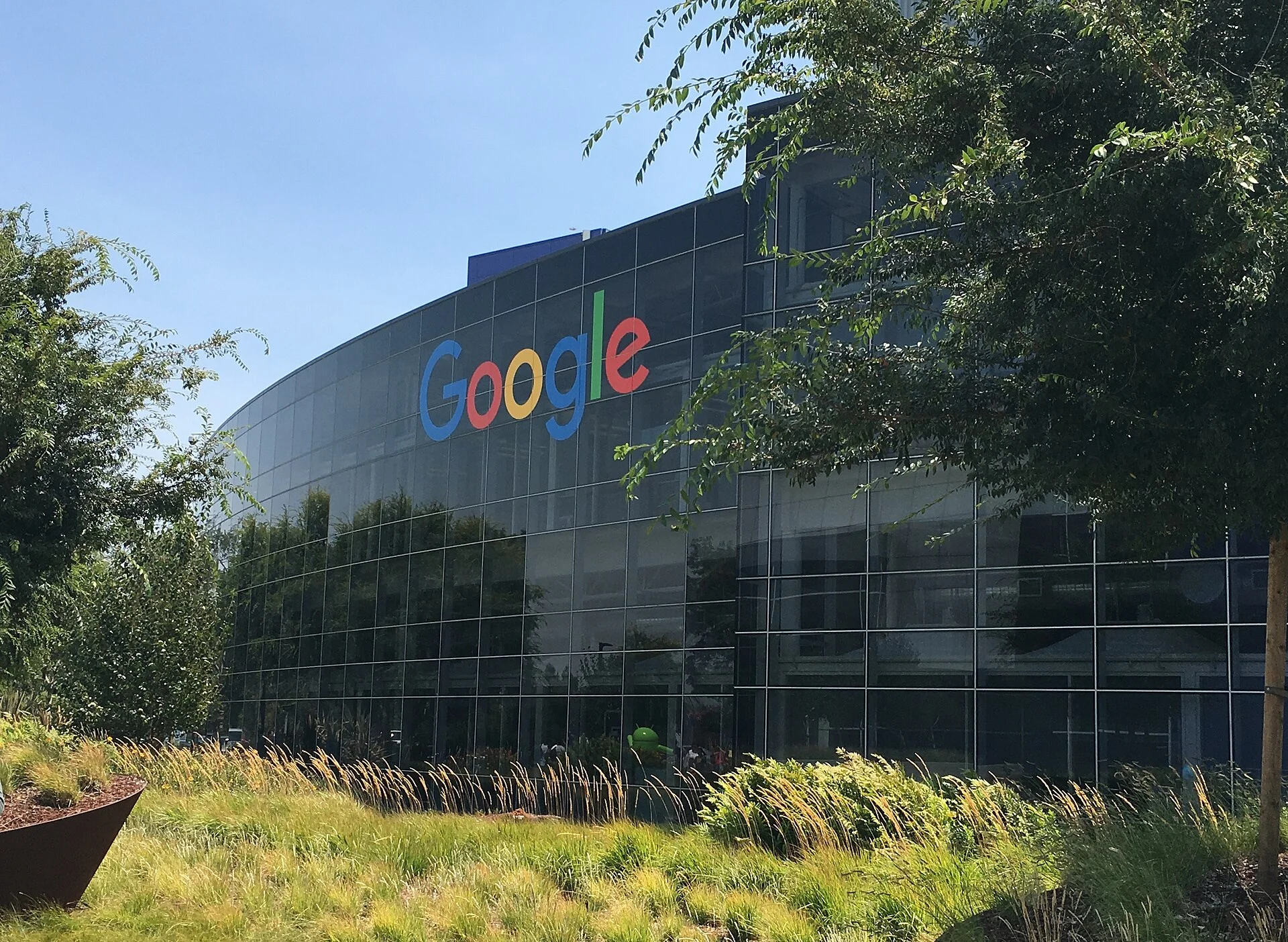
Alphabet, Google’s parent company, has formally entered the ultra-exclusive $3 trillion market cap club, signaling not just investor confidence, but a fundamental disruption, a seismic shift in the way artificial intelligence (AI) is redefining the future for big tech. The rapid ascent in market valuation places Alphabet alongside only Nvidia, Microsoft and Apple as one of the world’s four most valuable public companies an indication of AI innovation, business models capable of withstanding disruptions and a renewed investor frenzy in 2025.
The historic rally: Legal clarity and AI integration fuel growth
According to a Fortune report that was published on September 15, 2025, Alphabet’s market capitalization officially reached $3 trillion with its stock rising more than 4%. Enthusiasm and hope, it seems, have returned to investors following a landmark ruling by a U.S. federal court. The ruling allowed the company to maintain control of both its Chrome browser and Android operating system (OS) that had put the Alphabet business in jeopardy due to the lawsuit plans. The decision rendered uncertainty behind the concern of breaking up Alphabet and increased buy-side sentiment for the company.
Investopedia reported that Citi and other prominent banks raised their price targets for Alphabet stock significantly pointing to a “better legal landscape and increases in businesses deploying Google’s AI solutions in digital advertising and cloud services” as primary contributors. Google is becoming much less reliant on a single business vertical due to the Gemini AI model and has revenue collection streams beyond the original search and advertising business initiated from the product.
AI Momentum: Gemini’s impact and tech stock boom
AI is at the heart of Alphabet’s rally. Yahoo Finance reported that the Gemini platform recently became the most popular free app on the Apple App Store, replacing competitors such as OpenAI’s ChatGPT, indicating a public appetite for Google’s launch. The Associated Press, Bloomberg and Reuters emphasized the rush of investor capital primarily from Gemini although supplemented by Alphabet’s chips and product mix, such as Workspace and YouTube Shorts.
Big Tech investing in AI has pushed the entire sector: Nvidia reached $4.25 trillion in market cap, while Oracle and Microsoft issued record guidance, while higher market-wide expectations for AI, paired with interest rate cuts from the Federal Reserve, has pushed Wall Street indices to new highs. Reuters reported, “Alphabet recorded a 32% share price gain in 2025—surpassing its Magnificent Seven competitors and bringing the company into the embrace of $3 trillion with Apple, Microsoft, and Nvidia.”
Key figures and strategic leadership
Sundar Pichai, who is CEO of Alphabet, and Larry Page and Sergey Brin, who are the co-founders of Google, have led a shift in company priorities and strategy, including major investments in AI, cloud infrastructure, and proprietary processing hardware. As CNBC stated, “Alphabet becomes the fourth company to achieve a $3 trillion market cap since going public just over 20 years ago and then creating Alphabet as a parent company nearly 10 years ago.”
Pichai’s current challenge is to lead Alphabet through the coming competition (including from OpenAI and Perplexity), while also managing the regulatory environment in the U.S. and Europe. The company’s investments in Gemini, Chrome, Android, and new productivity applications driven by AI, return billions in profits and are defining technologies in their industry.
What’s next for Alphabet and tech
Widely agreed upon by industry analysts, the AI-driven rally is expected to continue despite valuations nearing all-time highs. As reported by Bloomberg, shares of Alphabet are up more than 70% from their lows in April, representing an added $1.2 trillion in net earnings and illustrating a focused role for big tech firms driving the equity markets. Melius Research estimates that the potentially eternal demand for AI-driven infrastructure could lead to Nvidia and potentially Alphabet, achieving even higher valuations in 2030.
Investors, competitors, and regulatory agencies will now watch how Alphabet decides to move forward with AI development, expansion, or management of antitrust issues in the next wave.
With this success, Alphabet’s company achievements offer a benchmark for what’s attainable with investing in tech, and where the world’s big tech firms may be with AI in the future.