
On September 2, 2025, gold took off to record heights as, for the first time in history, the yellow metal reached an unprecedented high of $3,508.50 per ounce. The primary driving force behind the rally was based on speculation surrounding a Federal Reserve interest rate cut and a weaker dollar, which was one of the more extreme examples of gold fulfilling its traditional role as a safe-haven asset.
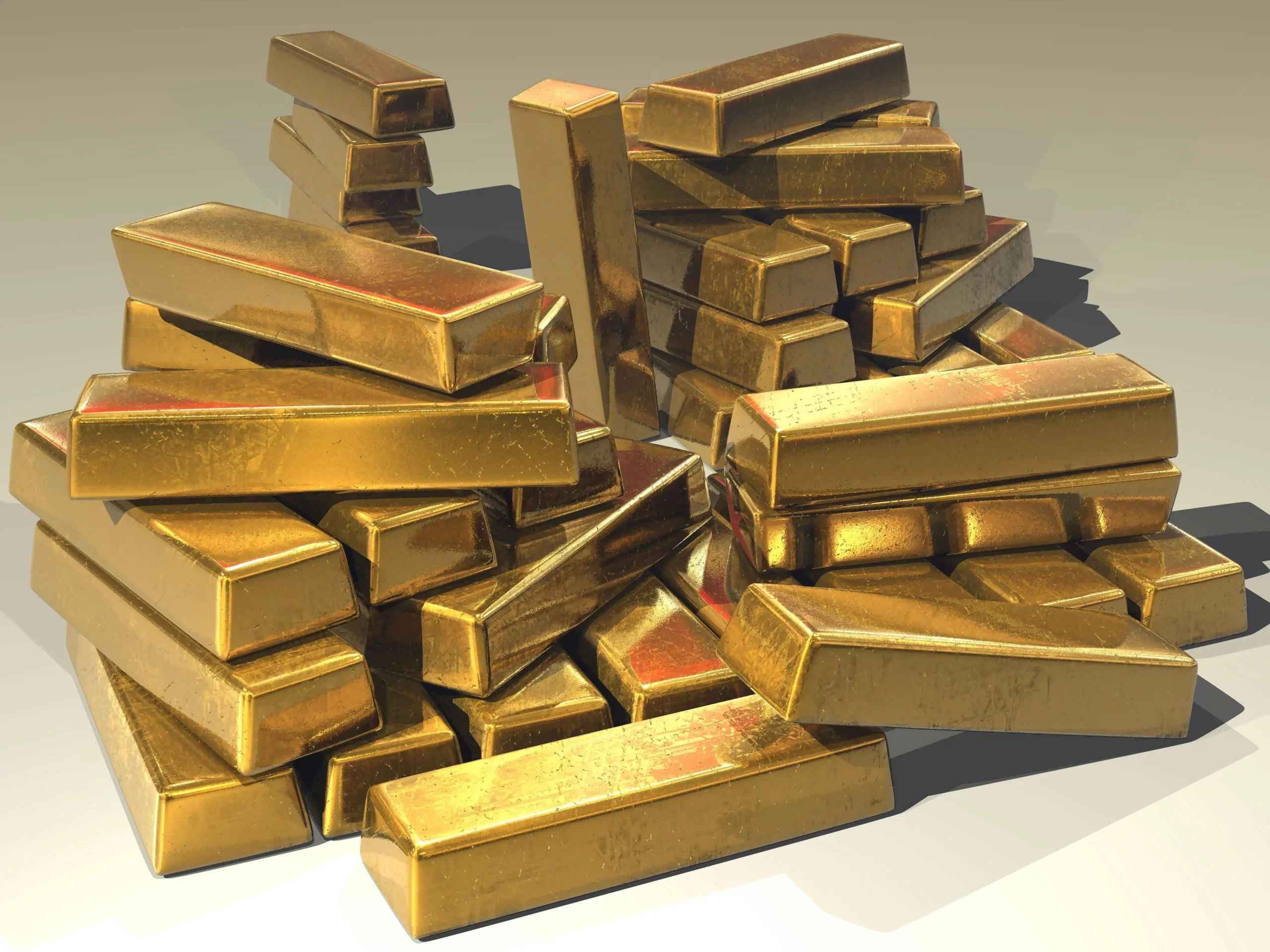
Gold reaches record high in economic uncertainty
Global investors woke up this morning to see not only that gold’s spot price broke the $3,500 level, and set a new record for all-time high, but that the earlier trading hours showed the spot price as a new all-time high price. By midday spot price was still below that value, but the average of the spot price for the day was $3,484.69 (up 0.23 for the day and annually almost 40 percent).
According to Kyle Rodda, a market analyst for Capital.com, “The lower economic state and the expectation of rate decreases by the U.S. is creating a draw to precious metals.” As both central banks and individual investors are pouring into gold as a hedge against inflation, geopolitical uncertainty, and currency fluctuations, gold has reaffirmed its worthiness as a pillar of financial safety.
U.S. rate-cut expectations at fever pitch
The main driver for gold’s rally is the increasing expectation from the markets that the Federal Reserve will deliver a 0.25 percentage point interest-rate cut at the Fed’s next meeting on September 17. The probability of a rate cut is currently over 90% according to the CME FedWatch tool. Traders, analysts, and economists consider lower rates to be favorable for non-yielding assets like gold: with low returns on savings accounts and bonds, to alternative stores of value are looking more appealing.
Gold also plays an enhancement role during loose monetary policy as a hedge. As Tim Waterer, senior analyst at KCM Trade, commented, “If the Fed has multiple rounds of cuts, and nothing is sorted in relation to the war in Ukraine, $3,600 gold or more by year-end is not out of the question”.
A weakening dollar amplifies the rally
As speculation drives interest rates, the dollar has weakened to near month-long lows relative to other major currencies, decreasing the opportunity cost of holding gold and making it more attractive to overseas buyers. Central bank purchases are at the highest level in years as countries—ranging from China to Turkey—have begun to diversify away from the dollar in times of trade and monetary uncertainty.
Similarly, traditional forms of investor activity have heightened: demand for exchange-traded funds (ETFs) backed by gold bullion has hit record levels globally and retail demand remains strong in Asia amid concerns over U.S. fiscal and political stability.
Technical and fundamental support
Gold has made advancements of greater than 3% in price over the past month, driven not only by speculative flows but also from bullish technical conditions. Many factors contribute to the thurst forward from gold – the break of resistance level at $3,375, higher lows, volume is increasing, etc – all indications of continued momentum in existence. Additionally, the institutional hedging in gold futures has helped provide stability, while retail investor continues to stream into the physical or ETF that back it.
The durability of the advance is supported by a mixture of economic factors:
- Sticky inflation maintains low real yields.
- Labor market and GDP point to ways to embrace the ending of the tightening cycle from the Fed.
- Legal challenges of tariffs, with added worries about limitations of the independence of the central bank, detracts attention from other yield alternatives.
Investors and market watchers eye key data
The next major data point for gold investors will be the U.S. nonfarm payroll report released this week. An unforeseen softening of the labor market could quash expectations for further Fed easing and send gold to new highs. Where will gold go from here? Most forecasts from institutions like Trading Economics are now expecting gold to test $3,600 by the end of the quarter, with some of them projecting $3,700 or higher, depending on whether global and monetary stresses persist.