Despite President Trump’s attacks on the Fed, Wall Street found record highs, indicative of U.S. financial market resilience during ongoing political controversy.
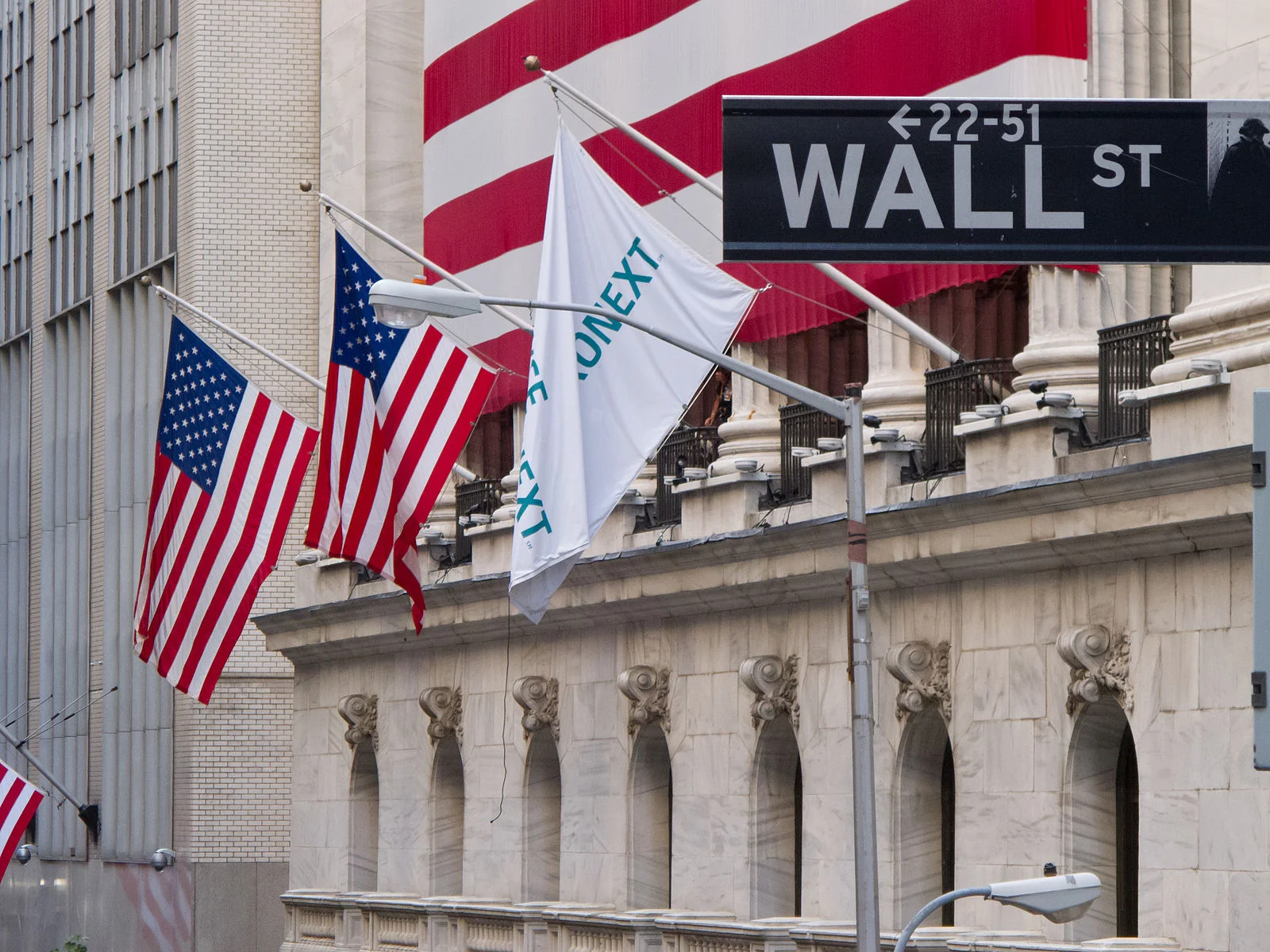
On July 17, 2025, investors absorbed relatively strong economic data, along with President Trump’s public litigation against Federal Reserve Chair Jerome Powell, to drive the S&P 500, Dow Jones Industrials, and Nasdaq Composite to new record closing highs.
Markets Make It Through and Around Political Turbulence
- S&P 500: Up 0.5% to 6,297.36, breaking its previous record.
- Dow Jones Industrial Average: Increased by 229.71 points = 0.5% to finish at 44,484.49.
- Nasdaq Composite: Climbed by 153.78 points = 0.7% to finish at 20,885.27, actually its own new record.
This performance is after a week when the financial markets were unsettled about reports that President Trump had talked with Republican legislators about firing Fed Chair Powell, which he later denied, but did not close the door on. Trump continues to hammer the Fed, insisting on keeping interest rates steady, blaming Powell for being “too slow” to cut rates and looking for more aggressive monetary easing.
Investor View: What’s Driving the Rally?
Despite the political theatrics of the events over the week, we believe that investors focused on the key fundamentals, as well as management guidance relative to earnings:
- Positive corporate earnings: So far, quarterly results from key companies, including Taiwan Semiconductor Manufacturing Co. (the world’s largest semiconductor manufacturer) and PepsiCo, indicated positive performance, which increased overall index performance. Certainly, technology stocks in general, and companies who emphasize a strong AI exposure like Nvidia, were also key contributors.
- Positive economic data: Retail sales data coming in better than expected, followed by statistics showing a drop in unemployment claims, and finally solid results in manufacturing activity, indicated that consumers continued to show resilience in the midst of softening economic conditions (which now means recession is not imminent).
- Interest rate stability: The Fed has held interest rates steady in 2025, following the rate cuts late last year. The Fed, and Chair Powell prefers to wait for more data to inform future rate finding initiatives (as well as likely to understand the impact of Trump’s new tariffs), suggests there is stability as far as interest rates go for the safe term, even though executive branch non-compliance to Fed policy remains a concern.
The Reaction of Wall Street to President Trump’s Attacks on the Fed
President Trump’s threats—illegitimate and unlikely to be successful—were somewhat disgruntling to markets. Stocks were down and Treasury yields were up on Wednesday, with many investors saying they fear any diminution of the Fed’s independence could lead to rampant inflation or remove long term confidence in the US dollar. However, the markets are responding with more calm, as Trump regularly backs off of his threats and analysts do not believe there is currently significant risk of an immediate action.
Economists go as far to say that if the White House were to take any immediate decisions related to Fed leaders, there could be dire and serious repercussions, that could affect capital flows around the world and America’s monetary regime’s credibility. For now, there is certainly headline fatigue— investors will soon move past the headlines when economic and earnings data suggest strength.
What’s Next for Markets and the Fed?
- The Fed’s next policy decision will come after additional analysis of Trump’s tariffs and inflation patterns.
- Earnings reports are still a focus, with analysts focused to see if high-flying sectors like technology can keep the wind on their backs as debates over interest-rate policy are catalogued.
“Wall Street hits record highs despite Trump’s Fed attacks” highlights an epoch where markets are both sensitive to and familiar with geopolitical theater. For now, fundamentals and financial health continue to overwhelm Washington’s kabuki theatre, although the risk of longer-term disruptions remain present in equations of investor expectations.