
A credit score is a three-digit number that reflects how “creditworthy” you are—basically, how likely you are to repay borrowed money. Creditors assess creditworthiness for a number of reasons—primarily to help them make decisions about lending decisions and about what interest rates to charge for loans. This guide lays out how credit scores work and what you can do to improve your credit score.
What is a credit score?
- Definition: A credit score estimates your dependability in paying off borrowed money based on your past history of borrowing money and paying it back.
- Range: Most score (for example, FICO, VantageScore etc.) are between 300 and 850, the higher the better.
- Excellent: 800–850
- Very Good: 740–799
- Good: 670–739
- Fair: 580–669
- Poor: 300–579
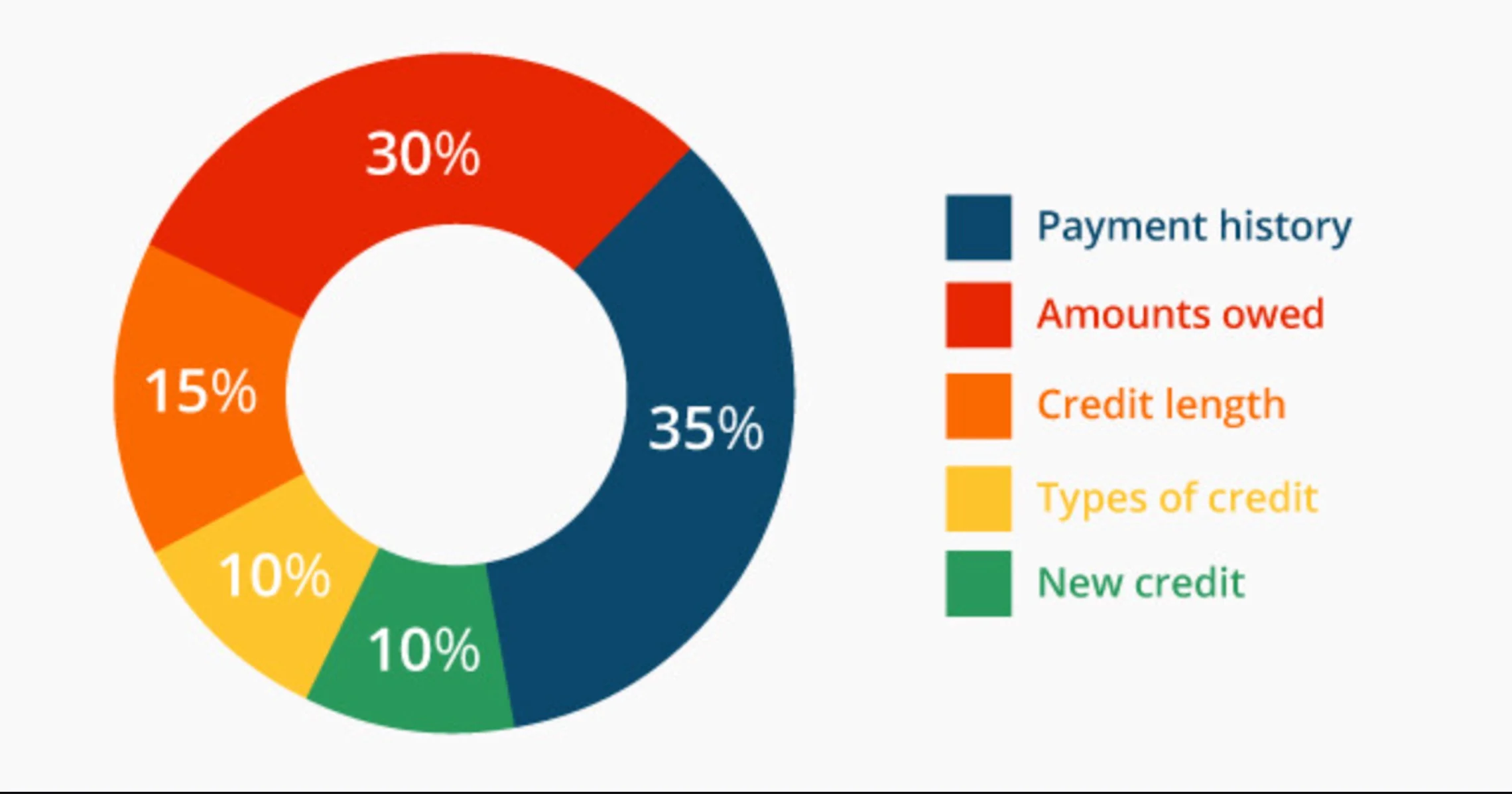
What Factors Influence Your Credit Score?
1. Payment History (35%)
- Your history of paying off credit cards, loans, and bills on time has the greatest impact.
2. Credit Utilization (30%)
- Credit utilization is the amount you owe on credit cards compared to your total credit limit. Anything below 30% of your credit available is optimal.
3. Length of Credit History (15%)
- Longer-standing, good-standing accounts will help your score.
4. Credit Mix (10%)
- Credit mix is variety of your account types (credit cards, auto loans, student loans, mortgages) – you don’t have to have a mix but it’s a positive.
5. New Credit (10%)
- Opening a lot of new credit do reduce your score temporarily. Having a lot of hard inquiries on your credit file lowers your score.
How to Check Your Credit Score
You can check your credit score for free:
- Go to annualcreditreport.com for free annual reports (but you only get 1).
- Many credit card companies and banks have monthly free credit scores for customers.
- Several free online tools and apps (check security and legitimacy).
You can also help find fraud or errors by reviewing reports regularly.
Tried and True Tips to Improve Your Credit Score
1. Pay Bills on Time, Every Time
Missed or late payments hurt scores significantly. This is where automatic payments or reminders can help.
2. Pay Down Credit Cards
Doing your absolute best to keep all credit cards low (ideally under 30% – even better under 10%) not only improves your score, but paying down debt also has a faster positive outcome.
3. Do Not Close Old Accounts
Old accounts simply help your credit history. If the account does not have an annual fee, keep them open. There is no reason to close the account (even if you rarely use it).
4. Limit Applications for New Credit
When you apply for a new credit card or loan, a “hard inquiry” is made on your credit report. Too many inquiries in a short amount of time can hinder you score.
5. Dispute Credit Report Errors
When you receive your credit report, review it and see if there are any errors (fraudulent accounts opened, erroneous late payments, etc.). You can dispute the errors with the credit bureaus.
6. Be Added as an Authorized User
If you have a trustworthy borrower in your life (spouse, friend, family member) that is willing to add you to their credit card accounts as an authorized user the history on that card may enhance fido’s credit score.
7. Vary Your Credit Mix (when appropriate)
If you only have credit cards, perhaps you could acquire a small personal loan, or vice versa (but don’t take the loan out just to make this happen) to mix up the credit you have.
How Long Will It Take to Improve a Credit Score?
The improvements on a credit score will depend on your starting spot. With consistent positive behavior a woefully fair score can go up by dozens of points over the period of six – twelve months. Serious negatives, such as missed payments and collections, take much longer to overcome, but the impact of these will wear off and barely impact your score after a year or two of decent behavior.
Tips for Influencing a Strong Credit Score
- Check your reports regularly for changes or errors.
- Set alerts or use autopay in case you forget due dates.
- Only borrow what you would reasonably be able to pay back.
Understanding your credit score and its impact is critical to your financial health. By taking payment history as your largest impact, maintaining low balances on accounts, being cautious with the number of new accounts, and keeping an eye on your reports, you can build and maintain a strong credit score that opens doors.