
Tyler Perry is facing a second sexual assault lawsuit in six months, as another aspiring actor accuses the billionaire filmmaker of using his power in the entertainment industry to coerce and assault him over several years. Mario Rodriguez, a model who had a minor role in the 2016 film Boo! A Madea Halloween, filed suit in California this week seeking at least 77 million dollars in damages, alleging sexual assault, sexual battery, and intentional infliction of emotional distress.
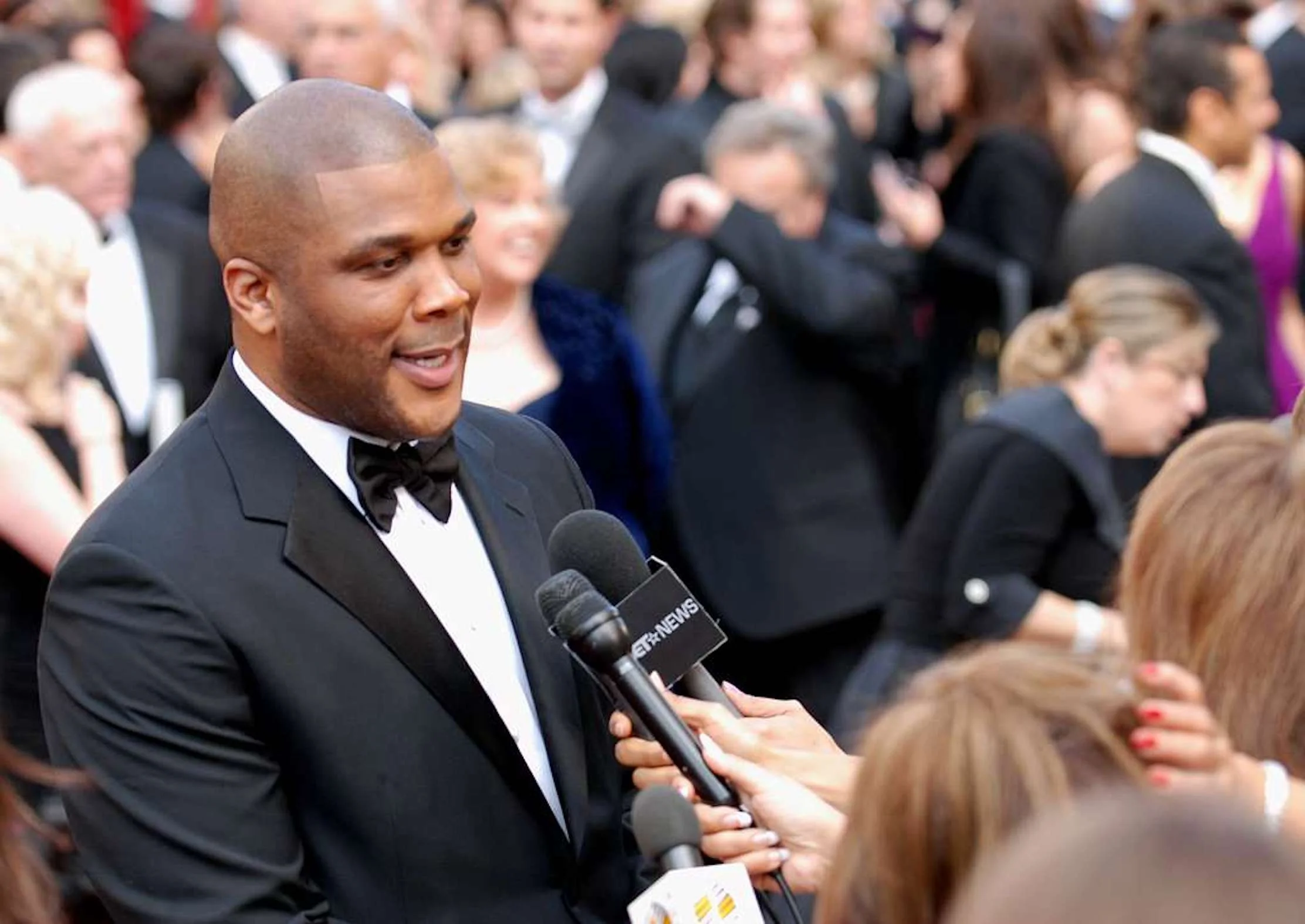
Lawyers for Perry have strongly denied the allegations, calling the case a “failed money grab” and linking it to an earlier, still‑pending 260‑million‑dollar lawsuit brought by actor Derek Dixon.
The New Complaint: Allegations from a Madea Actor
In a complaint filed in California state court, Mario Rodriguez alleges that Perry subjected him to repeated unwanted sexual advances and assaults between roughly 2015 and 2019, often framed around offers of acting opportunities.
According to the lawsuit:
- Rodriguez says a trainer at an Equinox gym in Los Angeles approached him in 2014 or 2015, saying Perry wanted his phone number to discuss a potential role.
- Perry allegedly called that same day, encouraged Rodriguez to audition for Boo! A Madea Halloween and told him, “I’m not a bad person to know and have in your corner,” the complaint states.
- After Rodriguez was cast in a small part, credited as “Frat Guy #10”, Perry invited him to his Los Angeles home, where, during a movie screening, Perry allegedly placed his hands on Rodriguez’s legs and rubbed his thigh “right to his penis,” prompting Rodriguez to excuse himself.
The filing describes a series of further encounters:
- In one alleged incident after filming in 2016, Perry invited Rodriguez back to his home to discuss “scripts [he’s] writing,” then, after confiding that he had been sexually abused as a child, allegedly grabbed Rodriguez’s leg near his genitals.
- In another alleged episode, reportedly in 2018 after a dinner to discuss a possible role on The Oval, Perry “tightly hugged” Rodriguez and tried to unbuckle his pants, then reached into his underwear and grabbed his penis, while making sexual noises and telling him to “stay here,” the lawsuit claims.
- Rodriguez asserts that when he resisted and pulled away, Perry apologized and handed him 5,000 dollars, a pattern he says was repeated after other incidents.
The complaint alleges a final incident in April 2019 in which Perry allegedly took Rodriguez’s hand and placed it on his genitals, saying that if Rodriguez “were just to be with me, I would take care of you… you wouldn’t ever have to worry about anything,” before again giving him 5,000 dollars after Rodriguez refused.
Rodriguez says he decided to file suit after learning of a similar case brought earlier this year by actor Derek Dixon, who worked on Perry’s TV series The Oval and Ruthless and is represented by the same attorney.
In addition to Perry, Rodriguez is suing Lionsgate, the distributor of Boo! A Madea Halloween, accusing the studio of turning a blind eye to Perry’s alleged conduct and failing to protect him from harassment.
None of the allegations has been proven in court. Perry has not been charged with any crime related to the claims.
Perry’s Response: “Another Failed Money Grab”
Alex Spiro, an attorney for Perry, issued a statement dismissing Rodriguez’s lawsuit as a baseless attempt to extract money following what he described as a previous failed effort against his client.
“Having recently failed in another matter against Mr. Perry, the very same lawyer has now made yet another demand from more than a decade ago, which will also be a failed money grab,” Spiro said. He did not address the specific factual allegations in Rodriguez’s complaint.
Rodriguez’s lawyer, Jordan Delshad, pushed back on that characterization, telling outlets that Dixon’s earlier case “is alive and well” and was not thrown out but moved from California to federal court in Georgia, where Perry’s studio is based. Dixon’s lawsuit seeks 260 million dollars in damages and accuses Perry of sexual harassment, assault and professional retaliation, which Perry denies.
In a September filing responding to the Dixon case, another Perry lawyer called Dixon “an individual who got close to Tyler Perry for what now appears to be nothing more than setting up a scam” and vowed that “Tyler will not be shaken down,” language that Spiro’s statement echoes.
Perry has not issued a personal statement on Rodriguez’s lawsuit. His legal team is expected to respond formally in court, potentially by seeking dismissal, challenging jurisdiction, or moving to consolidate aspects of the two civil cases.
The Earlier Case: Derek Dixon’s $260 Million Lawsuit
The new filing arrives six months after Derek Dixon, an actor on The Oval and Ruthless, sued Perry in June, alleging escalating sexual harassment, assault and retaliation linked to promises of career advancement.
Dixon’s complaint, filed initially in Los Angeles and later moved to Georgia, claims that Perry:
- Interrogated him about his sexual preferences in a trailer on the set of The Oval before allegedly pinning him against a wall and groping him.
- Used his influence to create a “coercive, sexually exploitative dynamic,” promising to produce his pilot and expand his roles while allegedly subjecting him to further harassment.
- Retaliated professionally when Dixon rejected his advances, leading Dixon to leave the series and decline opportunities to work as a writer on Perry’s projects.
Perry has denied all of Dixon’s allegations, and his lawyers have described the suit as part of an attempted “shake‑down.” That case remains pending, with no trial date yet set.
Taken together, the two lawsuits paint a similar pattern: aspiring male actors allege that Perry leveraged his status as a powerful writer‑director‑producer to blur professional and personal boundaries, then retaliated when they resisted. Perry’s team, in turn, argues that both sets of claims are fabricated for financial gain.
Industry Impact: Power, Consent and Corporate Exposure
The new complaint against Perry lands in a post‑#MeToo Hollywood still grappling with the use of power and access in casting and professional relationships. While the most high‑profile cases have involved women accusing male producers and executives, the Perry lawsuits highlight an alleged dynamic involving male accusers and a single, highly influential figure in Black Hollywood.
Legal experts note several potential implications:
- Corporate liability: Rodriguez’s lawsuit against Lionsgate raises questions about what distributors should do when they work with powerful creators. If a court finds that the studio ignored warning signs or didn’t respond to complaints, it could make companies more responsible in harassment cases, even if they aren’t the direct employer.
- Patterns and corroboration: Two actors who are not connected but are represented by the same lawyer and are working on different projects now say that they have both experienced similar unwanted advances linked to promises of roles. How the story is told in court will depend a lot on whether judges let evidence from one case be used in the other.
- Reputation and business: Perry, whose Atlanta studio complex and production pipeline have made him a central supplier of content to streamers and networks, faces reputational risk as accusations multiply, even without criminal charges. Studios, advertisers, and partners may come under pressure to clarify their due‑diligence and safeguarding policies when working with his ventures.
When incidents happened years ago and the criminal statute of limitations may have run out, civil litigation is still one of the few options for alleged victims. For Perry, the dual cases represent a legal and public‑relations test of his denials and the strength of the plaintiffs’ evidence.
What Happens Next
Both the Rodriguez and Dixon lawsuits are at early stages. Rodriguez’s complaint will trigger a formal response from Perry and Lionsgate in California, while Dixon’s case proceeds in federal court in Georgia, closer to Tyler Perry Studios’ operations in Atlanta.
Key questions in the months ahead include:
- Whether more accusers come forward, either publicly or under seal.
- How Lionsgate and other corporate partners respond, particularly if discovery reveals internal knowledge of alleged misconduct.
- Whether the cases proceed to trial, settle quietly, or are narrowed by pre‑trial motions and evidentiary rulings.
For now, the new filing ensures that one of Hollywood’s most bankable names enters 2026 under the shadow of serious, vigorously disputed allegations, allegations that will be tested, in detail, not on a soundstage but in court.